
Seasonal SEO for Roofers
Prepare the content and pages that capture storm, weather, and seasonal roofing demand in the weeks before each spike, so the listing already ranks when homeowners start searching.
Free Seasonal Roofing SEO Plan
Most roofing sites publish storm and seasonal pages after demand has already peaked. Get a free seasonal content calendar that maps which pages to publish, and when, for your climate and service area.
What Is Seasonal SEO for Roofers?
Seasonal SEO for roofers is the practice of publishing and indexing storm, weather, and season-specific roofing pages in the weeks before demand spikes, so they already rank when homeowners start searching. Roofing search behavior follows the weather, so the page has to be live and ranking before the spike, not built in reaction to it.
Search Follows the Weather
Roofing queries rise and fall with storms and the calendar. Inspection searches climb in spring, replacement in summer, emergency repair in winter.
Timing Beats Reaction
A page published the day a storm hits does not rank in time. The work is preparation weeks ahead so the page is already indexed when the spike arrives.
A Strategy, Not a Page Type
This silo covers timing and preparation. The homeowner-facing emergency and storm pages live in search intent, and map-pack work in local SEO.
Why Does Seasonality Matter for Roofing SEO?
Seasonality matters because roofing demand arrives in concentrated spikes, and the pages that capture each spike must already rank when it starts. Storm-triggered visibility tends to deliver the highest return in local roofing search, since the searcher needs a roofer that day.
Demand Comes in Spikes
- A single severe hailstorm can drive a sharp, short surge in emergency repair searches across a metro.
- Roofing companies that prepared pages ahead capture that surge while reactive ones miss it.
- The window is days, not months, so the page must be indexed before the storm, not after.
Preparation Is the Whole Game
- Winning roofing companies prepare the SEO before demand spikes; reactive work arrives too late to rank.
- Pre-built pages accumulate authority year-round, then activate the moment weather turns.
- Each season's content builds authority that improves the next season. See the topical authority side.
How Does Roofing Demand Change Through the Year?
Roofing demand moves through four predictable seasons, each with its own homeowner concern and keyword set. Publish the content that matches the next season before that season starts, not during it.
Spring: Inspection and Repair
March through May. Searches like "roof inspection near me" and "roof damage after winter" rise. Inspection pages need to be live by late February.
Summer: Peak Replacement
June through August. The most competitive season, with replacement and contractor queries. The rankings are earned in winter and spring, not in June.
Fall: Maintenance and Prep
September through November. Gutter cleaning and pre-winter inspection searches rise in a lower-competition window. Good for building trust early.
Winter: Emergency Intent
Volume drops but intent turns urgent: ice dam removal, leak repair, snow load. Lower competition allows faster ranking on high-value queries.
Be Ranked Before the Storm, Not After
Storm pages built after a storm hits do not rank in time. We prepare the pages weeks ahead so the listing is already indexed when demand spikes in your service area.
Call Now For PricingOr call +1 272-207-3231
Why Is Storm Season the Highest-Return Window?
Storm season is the highest-return window because emergency repair searches surge within hours of severe weather, and most of those leads convert inside the first few days. The roofing companies that ranked before the storm capture the surge; the rest publish too late to show up.
The Surge Is Fast and Short
- Emergency repair searches can multiply in the first day or two after a severe storm, then settle back.
- A large share of the leads are captured in the first 72 hours, so a late page misses the window.
- For the homeowner-facing storm and emergency pages, see search intent for roofers.
Pages Must Live Year-Round
- Storm pages built after a storm hits will not rank in time, since indexing and ranking take weeks.
- Pre-built pages live year-round, accumulate authority, and get a local reference update when a storm lands.
- A meaningful share of post-storm queries carry insurance or claim intent, a high-value cluster to own.
How Far Ahead Should Seasonal Roofing Pages Be Published?
Publish seasonal roofing content roughly four to eight weeks before the season or spike begins. That lead time lets Google crawl, index, and start ranking the page before homeowners begin searching, so it is visible at the peak of intent.
Crawl and Index Take Time
A new roofing page is not instant in search. It needs to be discovered, indexed, and gain a little authority before it can rank for a competitive query.
Four to Eight Weeks Ahead
Publishing a season early gives the page a head start. A spring inspection page that goes live in late February can rank for the March surge.
Each Late Week Costs Rankings
Every week of delayed publishing is a week of rankings lost during the season. The deficit compounds, since authority built late helps the next year less.
What Keyword Types Drive Seasonal Roofing SEO?
Seasonal roofing SEO works across four keyword types: head terms, seasonal modifiers, storm and emergency terms, and question-based long-tail. Each type maps to a different stage of seasonal intent, so the content plan needs all four.
Volume Terms and Seasonal Modifiers
- Head terms like "roof replacement" and "roofing contractor near me" carry high volume and high competition.
- Seasonal modifiers like "spring roof inspection" or "winter roof repair" face lower competition with clear intent.
- The modifiers are the lever a local roofing site can move first, before the head terms.
Emergency Terms and Long-Tail Questions
- Storm and emergency terms like "hail damage repair near me" convert at the moment of need.
- Question-based long-tail like "does insurance cover roof hail damage" captures early-stage research.
- Pair the questions with the buying pages so the researcher returns when ready to call.
How Do You Plan a Quarterly Roofing Content Calendar?
Plan the calendar by quarter, publishing each season's pages a season ahead of when they peak. Each quarter activates the current season's content while it builds the next season's pages in the background.
Q1: January to March
Build spring inspection pages, publish winter emergency content, and prepare storm pages so they are indexed before the spring surge.
Q2: April to June
Activate the spring content, launch summer replacement pages, and refresh storm pages with current local references ahead of peak season.
Q3: July to September
Run the summer replacement pages at full pace and begin the fall maintenance content while storm pages stay updated.
Q4: October to December
Publish fall and winter prep, build next year's spring pages, and audit every seasonal page before the next cycle starts.
How Should Roofing Pages Be Indexed Quickly Before a Spike?
Index seasonal roofing pages quickly by publishing them early, submitting them in Search Console, and linking them from pages Google already crawls often. Speed of indexing decides whether a page is visible when the spike lands.
Make the Page Easy to Find
- Submit the URL in Google Search Console and request indexing as soon as the page is live.
- Add the page to the sitemap and link it from the hub and the homepage so it is crawled fast.
- For the deeper crawl and index work, see technical SEO for roofers.
Lean on Internal Links
- Link a new seasonal page from existing pages that already rank and get crawled regularly.
- Internal links pass context and help Google understand and index the new page faster.
- Keep the page slug, title, and headings aligned with the seasonal query it targets.
Summer Rankings Are Earned in Winter
The competitive summer replacement keywords go to the roofing companies that published and built authority months earlier. We map the calendar so your pages are ranking when the season turns.
Call Now For PricingOr call +1 272-207-3231
What Seasonal SEO Mistakes Do Roofers Make?
Roofing sites lose seasonal demand through four recurring mistakes, each one a timing or planning failure. The cost is a full season of rankings, not a small slip.
Timing Failures
- Publishing too late, during the peak, so the page has no time to rank for that season.
- No storm landing pages built ahead, so a major hailstorm sends every lead to a prepared competitor.
- Reacting to weather instead of preparing for it, which means arriving after the surge has passed.
Planning Failures
- Generic year-round content that ignores how intent shifts between seasons.
- No keyword rotation, so the same terms run all year and miss predictable seasonal demand.
- Skipping the post-season audit, so weak pages repeat the same gaps next year.
How Does a Seasonal Profile Strategy Support the Pages?
A seasonal profile strategy supports the pages by updating the Google Business Profile services, posts, and photos before each peak season. The profile and the seasonal pages reinforce each other, so both move in step with the calendar.
Update Before the Season Turns
- Lead the profile with inspections in spring, replacement in summer, maintenance in fall.
- In storm season, surface emergency response and insurance assistance in the services list.
- The map-pack mechanics behind this live in local SEO for roofers.
Keep a Seasonal Posting Cadence
- Post weekly in peak seasons and at least twice a month in slower periods.
- Add fresh project photos and seasonal questions and answers as the season shifts.
- Link each post to the matching seasonal page so the demand lands on a page built for it.
Proof of Performance
Results from roofing campaigns that rank in local search.
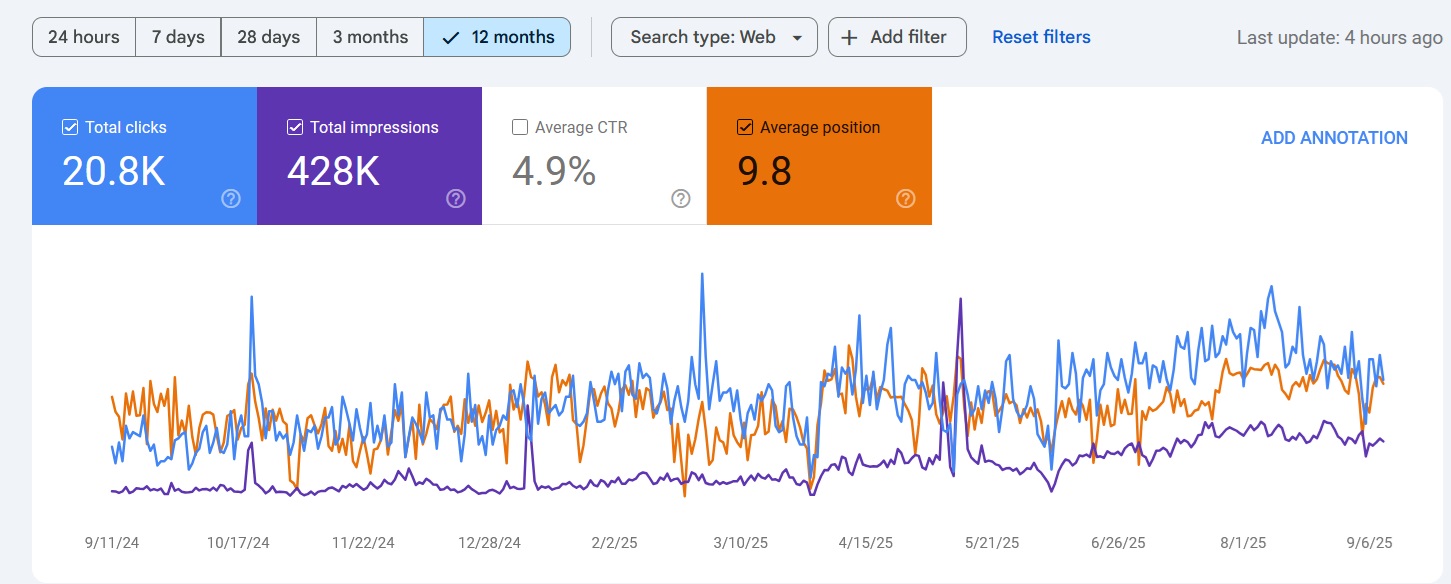
Map Pack Rankings
Ranked in Local Search Within 90 Days
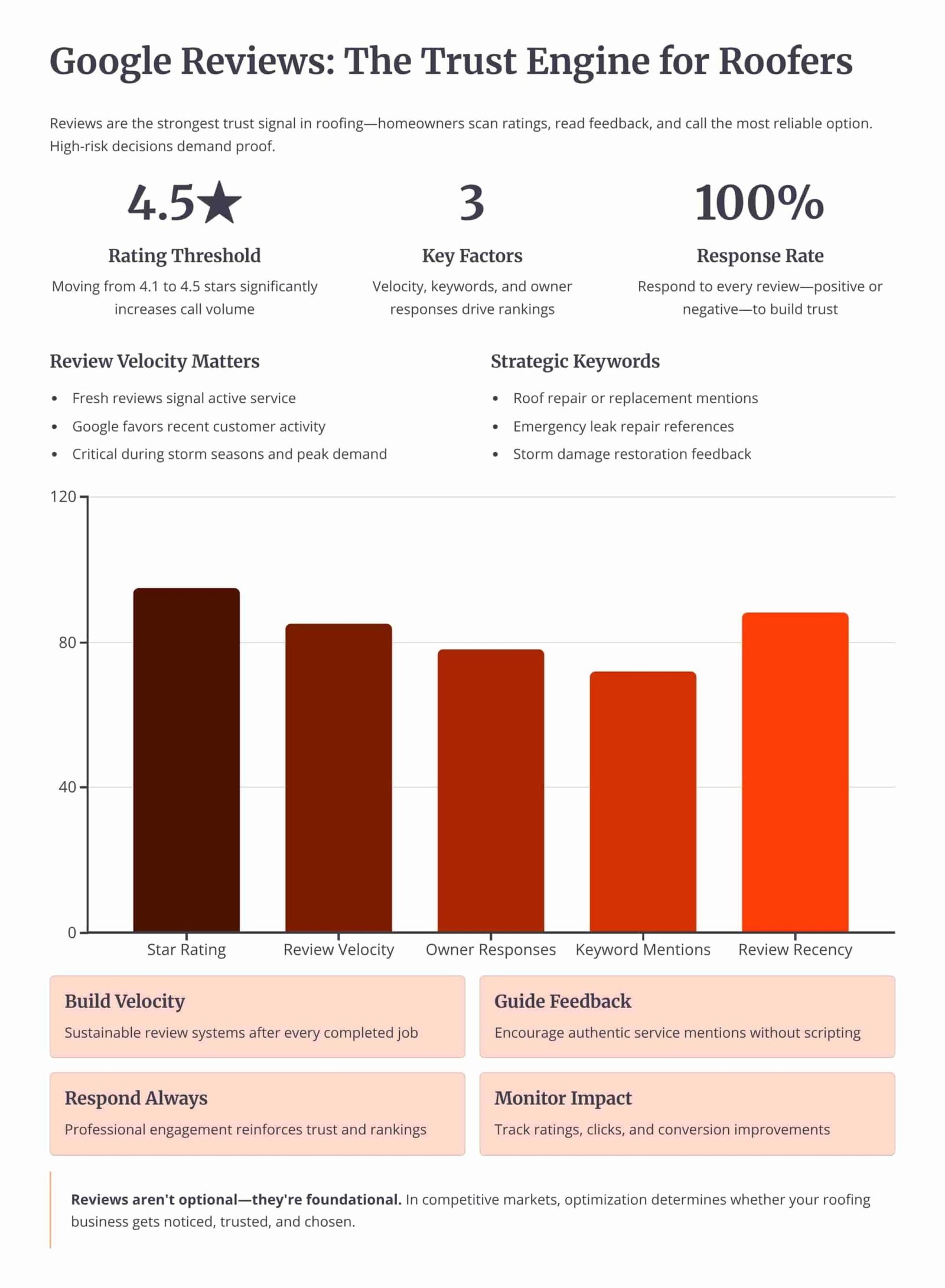
Review Velocity
150+ 5-Star Reviews Generated
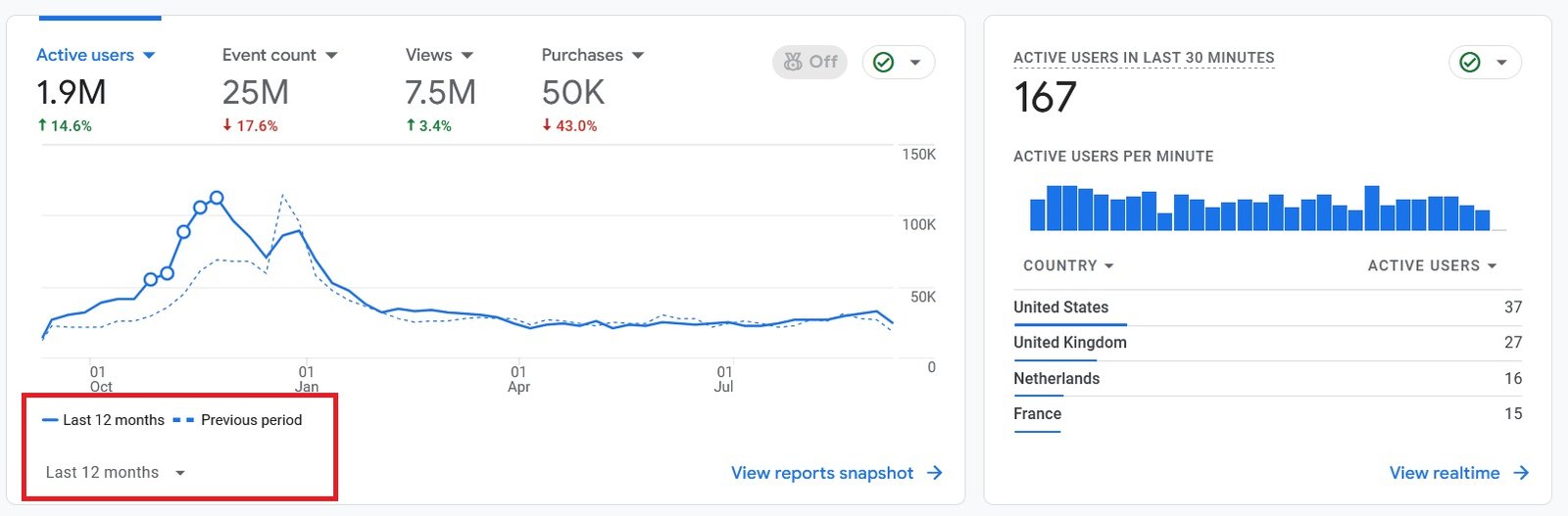
Organic Traffic
300% Increase in Qualified Traffic
The Seasonal Roofing SEO Action Plan
Four steps to move from reactive publishing to a calendar that has each page ranking before its season.
What Roofers Say
The 180-Day Roofing SEO Roadmap
See how we optimize the profile, build the website, and earn local-pack rankings over a 6-month engagement.
Month 1: Seasonal Audit and Calendar
- Demand Mapping: Charting when storm, inspection, replacement, and emergency searches peak in the served climate and cities.
- Publishing Calendar: Setting the dates each seasonal page must go live, four to eight weeks before its spike.
Month 2: Storm Pages and Indexing
- Permanent Storm Pages: Building the hail, wind, and hurricane pages that live year-round and activate when weather hits.
- Fast Indexing: Submitting each page in Search Console and linking it from the hub so it indexes before demand spikes.
Month 4: Seasonal Pages and Profile
- Season-Ahead Pages: Publishing the next season's inspection or replacement pages while the current season runs.
- Profile Sync: Updating the profile services and posts so they match the seasonal pages going live.
Month 6: Spike Capture and Rankings
- Spike Capture: The pre-built pages already rank, so storm and seasonal demand lands on the site instead of a competitor.
- Post-Season Audit: Measuring which seasonal pages ranked and converted, then refining the calendar for next year.
Owning Search Demand vs Renting It From Lead Platforms
If you pay Angi or Google Ads, you are renting visibility. The moment you stop paying, your pipeline dries up. Ranking the profile and the website for high-intent local searches builds permanent digital equity.
Shared Lead Platforms (Angi, HomeAdvisor)
- The Race to the Bottom: Shared leads force you to slash prices to win against 5 other roofers.
- Low Intent: Half the time they aren't ready to buy, they were just clicking around online.
Local Search SEO (Our Approach)
- 100% exclusive, direct-to-you inbound calls.
- Highest closing rate. They chose YOU from the local pack.
- Compounding ROI. You don't pay per click.
We Identify Search Intent Using Industry-Leading Data Tools




Expertise Built on Data.
Not Guesswork.
I'm Nizam Ud Deen, and I don't build generic websites. I build search intent engines specifically for the roofing industry.
For years, I've watched roofers burn money on agencies that brag about "traffic" while the phones stay silent. Traffic without intent is worthless. My system maps exactly how homeowners search during storms, when comparing prices, and when they're ready to buy, and intercepts them at every stage.
The No-Brainer Roofing SEO Guarantee
We don't guarantee "traffic" or "rankings." We guarantee high-intent leads.
"We guarantee to generate 15 exclusive, inbound replacement or repair leads per month within the first 180 days, driven entirely by high-intent organic search. If we don't hit that metric, we work for free until we do."
Measuring Success: Leads and Revenue
We don't report on vanity metrics. If traffic goes up but revenue stays flat, the strategy failed. We track the pipeline.
Call Tracking
Every keyword mapped to the exact phone call it generated.
Form Fills
Tracking estimate requests from high-intent local landing pages.
Booked Jobs
Connecting CRM data to SEO efforts to prove actual revenue return.
Cost per Lead
Monitoring organic CPL to ensure it beats shared platform costs.
Frequently Asked Questions
Clear answers about seasonal SEO for roofing companies.
What is seasonal SEO for roofers?
How far ahead should I publish seasonal roofing content?
Why do storm pages need to be built before a storm?
When does roofing demand peak through the year?
Why is summer the most competitive roofing season?
What keyword types should a seasonal plan cover?
How do I plan a quarterly roofing content calendar?
How do I get a new roofing page indexed quickly?
What seasonal SEO mistakes cost roofers the most?
Does each season's content help future seasons?
Should the Google Business Profile change with the season?
Where do the homeowner-facing storm pages belong?
How do weather-triggered landing pages fit the strategy?
Is winter worth targeting if search volume drops?
Get Your Free Seasonal Roofing SEO Plan
We'll map when roofing demand spikes in your climate and service area, then hand you a calendar of which storm and seasonal pages to publish, and the exact weeks to publish them.
What You Get:
- Seasonal Demand MapA chart of when storm, inspection, replacement, and emergency searches peak in your area.
- Publishing CalendarThe dates each seasonal and storm page should go live to rank before its spike.
More Deliverables
- Storm Page Gap CheckWhich permanent storm pages are missing and need to be built before the next event.
- Indexing ChecklistThe steps to get each new page indexed fast so it ranks before demand arrives.
Claim your free seasonal roofing SEO plan today. No commitment required.