
Wind Damage Roof Repair
Capture the searches that follow high winds, when uplift tears off shingles or flashing and a homeowner needs a roofer fast.

Free Wind Damage Search Audit
Most roofing sites have no page built for wind damage repair, so the demand after a windstorm lands on a competitor. Get a free audit with a competitor comparison and a plan to capture it.
What Is Wind Damage Roof Repair?
Wind damage roof repair is the work of restoring a roof after high-velocity wind lifts or tears shingles, flashing, and other components away from the deck. Uplift creates negative pressure that pulls materials upward.
Wind Uplift
High-velocity wind creates negative pressure on the roof surface, pulling shingles, flashing, and components upward and away from the deck.
The Vulnerable Zones
Edges, ridges, corners, and eaves take the worst of it. Corner zones can see about three times the wind pressure of the central roof.
Not Just Storm Damage
Wind damage is its own search, distinct from hail or general storm work. See storm damage roofing.
Why Does Wind Damage Repair Deserve Its Own Page?
Wind damage repair deserves its own page because a homeowner after a windstorm searches the exact phrase, and a dedicated page intercepts that demand at its peak.
The Search Follows the Weather
- Wind damage searches spike in the hours and days after a windstorm passes through a service area.
- A homeowner who sees missing shingles types the problem, not a generic "roofer near me".
- A page that names wind damage repair matches that query better than a broad roof-repair page.
High Intent and Urgency
- A windstorm search carries urgency, since an exposed deck risks water entry with the next rain.
- The homeowner is closer to hiring than a person researching a future replacement.
- Timing the page to seasonal demand reinforces its reach. See seasonal SEO for roofers.
What Are the Signs of Wind Damage on a Roof?
Wind damage shows in visible signs on the surface and hidden damage beneath the shingles. A page that lists both signals expertise to a homeowner deciding who to call.
Visible Signs
Missing shingles or tabs, lifted or creased edges, granules in the gutters, torn flashing, and exposed fasteners.
Hidden Damage
Underlayment tears beneath intact shingles, a saturated deck, wet insulation, and framing stress from extreme wind.
Interior Stains
Water stains on ceilings and debris in the valleys point to a breach that started on the roof during the wind event.
Be the Roofer They Find First
When the wind passes and a homeowner searches for help, the roofer ranking for wind damage repair gets the call. We build the page that captures that demand.
Call Now For PricingOr call +1 272-207-3231
At What Wind Speed Does a Roof Take Damage?
Standard shingles can take damage around 60 mph, and structural damage to decking and framing becomes a risk near 90 mph. Stating these thresholds on the page builds trust with a worried homeowner.
The Wind Thresholds
- Around 60 mph, standard asphalt shingles can begin to lift and tear.
- Near 90 mph, the risk extends to the roof decking and the framing beneath.
- Corner zones face roughly three times the pressure of the central roof, so they fail first.
Why the Numbers Help the Page
A homeowner who reads a clear wind threshold reads expertise. Concrete ranges, attributed and not inflated, make the page a better answer than a vague competitor page and support its rank for the query.
Repair or Replace After Wind Damage?
The choice turns on the share of the roof affected, its age, whether matching materials remain, and the condition of the deck. A page that explains the call earns the homeowner's trust.
Repair Fits When
- The damage covers less than about 30 percent of the surface.
- The roof is under 10 to 12 years old and matching materials remain available.
- The deck beneath is sound and the repair costs less than roughly 40 percent of replacement.
Replacement Fits When
- The damage exceeds about 30 to 40 percent of the surface.
- The roof nears the end of its life, roughly 15 years or more for asphalt shingles.
- Matching materials are discontinued or the deck shows widespread deterioration. See roof replacement.
How Does Wind Damage Repair Work?
The work runs in two stages: temporary protection in the first days, then a permanent repair once the materials and the deck are addressed.
Stage One: Temporary Protection
- Tarping with lumber battens to hold the cover against further wind.
- Sealing exposed flashing and protecting any exposed fasteners.
- Done in the first one to three days to stop water entry before the next rain.
Stage Two: Permanent Repair
- Remove damaged materials, then inspect and repair the underlayment and deck.
- Install new shingles with the correct nailing pattern and sealant.
- Integrate the flashing so the repaired area sheds water as one system.
How Long Does Wind Damage Repair Take?
A timeline depends on the extent of the damage and whether an insurance claim is involved. Setting the expectation on the page reduces the questions a homeowner asks before calling.
Minor Repairs
A small area of missing shingles or torn flashing often takes one to two days once materials are on hand.
Extensive Repairs
Work that includes deck replacement can run one to two weeks, depending on the size of the affected area.
Insurance Adds Time
Claim processing can add roughly two to six weeks between the inspection and the approved estimate.
Storm Demand Is Yours to Lose
Wind damage searches arrive in a burst and fade. A page that ranks before the storm catches the calls when they come, against 50 to 150 dollars for a shared lead bought after the fact.
Call Now For PricingOr call +1 272-207-3231
How Does a Wind Damage Insurance Claim Work?
A wind damage claim runs through documentation, a contractor report, an adjuster visit, an approved estimate, and the repair. Most homeowner policies cover wind damage, though deductibles vary.
The Claim Timeline
- Days 1 to 3: document the damage and report it to the insurer.
- Days 3 to 7: obtain a contractor inspection report.
- Days 7 to 14: the adjuster visits, with estimate approval over the following weeks.
The Documentation That Helps
- Time-stamped photos and video of the damage.
- The contractor assessment and any temporary protection receipts.
- The final repair invoice for the claim file. See insurance restoration.
How Do You Prevent Wind Damage to a Roof?
Prevention rests on impact-resistant materials, enhanced fastening, sealed edges, and regular inspection. A page that explains prevention positions the roofer as the planning partner, not only the repair call.
Material and Fastening Upgrades
- Impact-resistant Class 4 shingles, rated for roughly 110 to 130 mph wind.
- An enhanced fastening pattern, six nails per shingle instead of the standard four.
- Self-adhering synthetic underlayment and drip edge metal at the vulnerable zones.
The Cost of the Upgrade
Material upgrades typically run about 10 to 20 percent above a standard installation. An annual inspection catches lifted edges before the next windstorm turns them into a tear-off. See roof maintenance.
How Does Region Change Wind Damage Risk?
Wind risk shifts by region, so the page can name the local pattern, from coastal hurricane zones to mountain channeling. Local specifics improve the match for a service-area query.
Coastal and Tornado Zones
Coastal hurricane zones see winds over 100 mph and codes that mandate 130 to 150 mph ratings; tornado regions pair localized severe damage with hail.
Mountain and Desert
Mountain channeling creates sudden gusts over 100 mph; the desert Southwest pairs monsoon winds with intense UV that ages materials faster.
Northern and Pacific
Northern climates add winter storms with snow load; the Pacific Northwest emphasizes wind-driven rain over extreme wind speeds.
How Do You Vet a Roofer After a Windstorm?
After a windstorm, storm chasers move in, so a local roofer who names the red flags earns trust. Addressing the concern on the page sets the honest contractor apart.
Red Flags to Avoid
- An out-of-state operation with no local presence or address.
- Pressure to sign immediately or pay the full amount upfront.
- An offer to waive the insurance deductible, or no proper license, insurance, or written contract.
Turn Trust Into Local Reach
A local roofer who names these red flags reassures a worried homeowner and reinforces a service-area presence. Pair the message with a strong local profile. See local SEO for roofers.
Proof of Performance
Results from roofing campaigns that rank in local search.
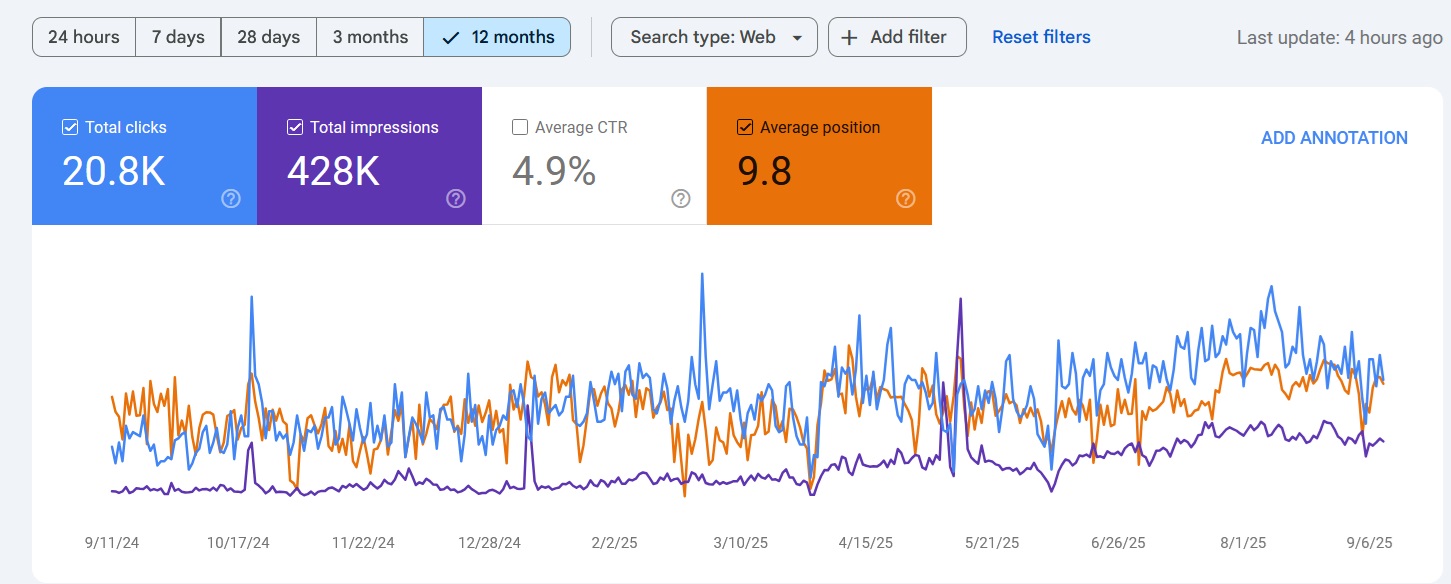
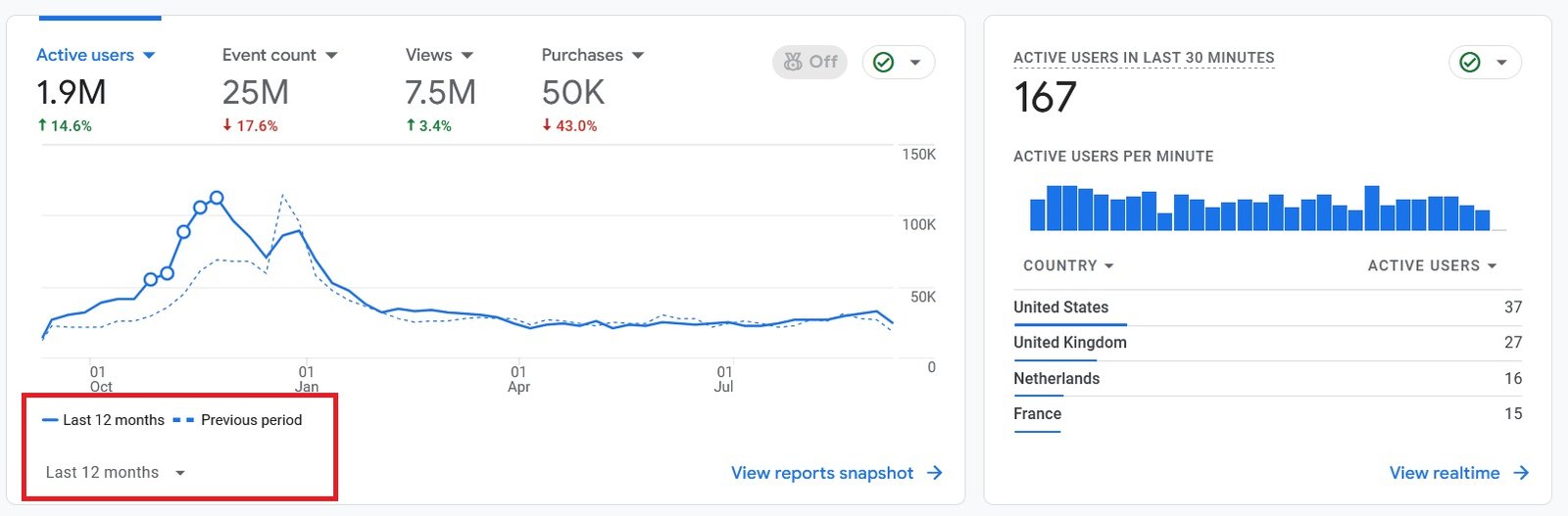
Map Pack Rankings
Ranked in Local Search Within 90 Days
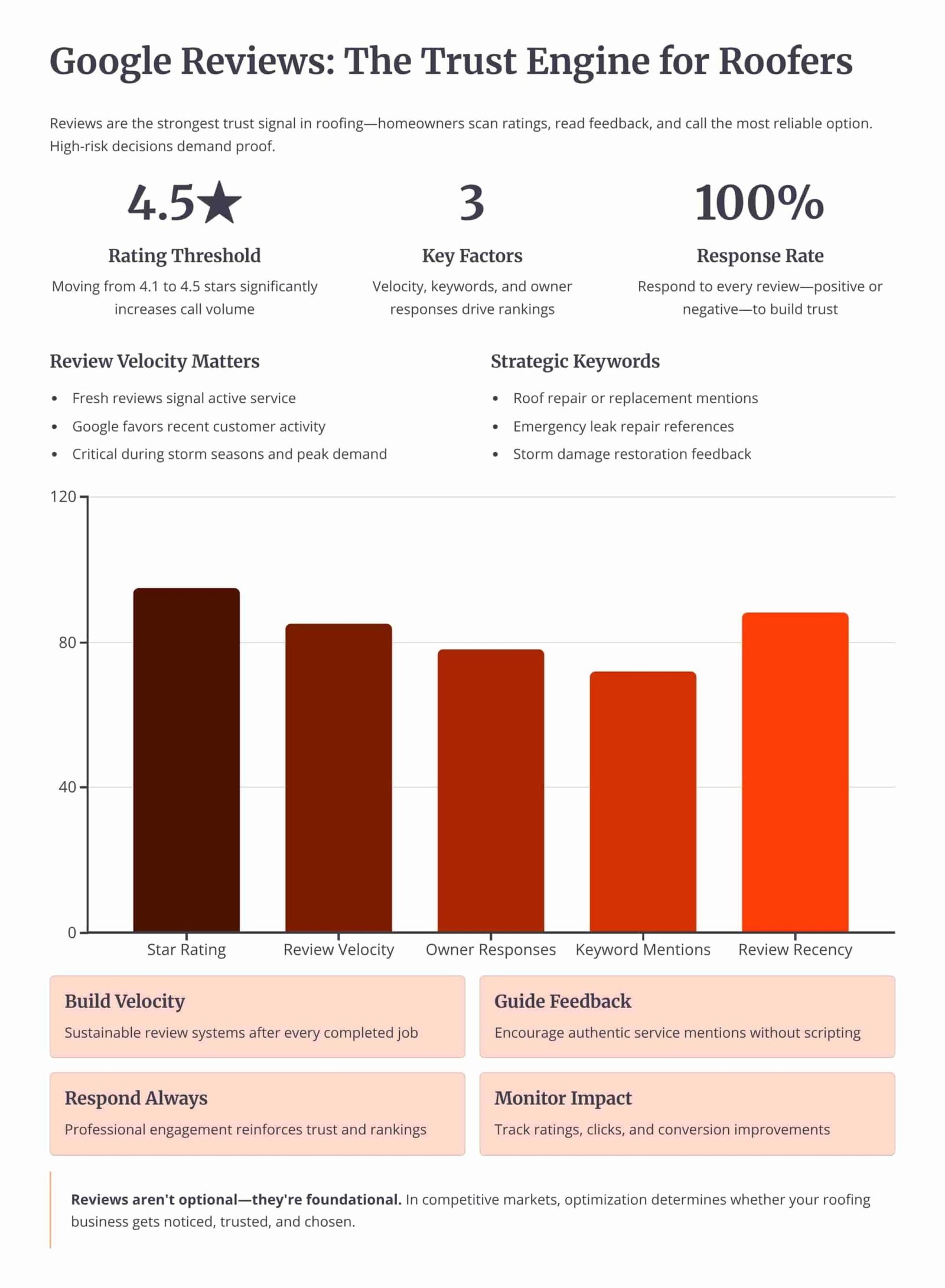
Review Velocity
150+ 5-Star Reviews Generated
Organic Traffic
300% Increase in Qualified Traffic
What Roofers Say
The 180-Day Roofing SEO Roadmap
See how we optimize the profile, build the website, and earn local-pack rankings over a 6-month engagement.
Month 1: Profile Audit and Setup
- Category and Field Fixes: Setting the primary category, secondary categories, description, services, and service areas.
- NAP Cleanup: Correcting the name, address, and phone number across the profile, the website, and the directory citations.
Month 2: Reviews and Media
- Review System: Setting up a steady request flow and replying to every review, positive and negative.
- Photo and Post Cadence: Uploading job photos from each completed roof and publishing profile posts twice a month.
Month 4: Citations and Site Support
- Citation Building: Adding consistent listings on the directories that feed prominence for a service area.
- Service-Area Pages: Building city pages on the website that reinforce the profile's service areas.
Month 6: Local-Pack Rankings and Leads
- Map-Pack Position: Reaching the top 3 of the local pack for core roofing queries in the served cities.
- Lead Tracking: Measuring calls and direction requests from the profile against the cost of paid leads.
Owning Search Demand vs Renting It From Lead Platforms
If you pay Angi or Google Ads, you are renting visibility. The moment you stop paying, your pipeline dries up. Ranking the profile and the website for high-intent local searches builds permanent digital equity.
Shared Lead Platforms (Angi, HomeAdvisor)
- The Race to the Bottom: Shared leads force you to slash prices to win against 5 other roofers.
- Low Intent: Half the time they aren't ready to buy, they were just clicking around online.
Local Search SEO (Our Approach)
- 100% exclusive, direct-to-you inbound calls.
- Highest closing rate. They chose YOU from the local pack.
- Compounding ROI. You don't pay per click.
We Identify Search Intent Using Industry-Leading Data Tools




Expertise Built on Data.
Not Guesswork.
I'm Nizam Ud Deen, and I don't build generic websites. I build search intent engines specifically for the roofing industry.
For years, I've watched roofers burn money on agencies that brag about "traffic" while the phones stay silent. Traffic without intent is worthless. My system maps exactly how homeowners search during storms, when comparing prices, and when they're ready to buy, and intercepts them at every stage.
The No-Brainer Roofing SEO Guarantee
We don't guarantee "traffic" or "rankings." We guarantee high-intent leads.
"We guarantee to generate 15 exclusive, inbound replacement or repair leads per month within the first 180 days, driven entirely by high-intent organic search. If we don't hit that metric, we work for free until we do."
Measuring Success: Leads and Revenue
We don't report on vanity metrics. If traffic goes up but revenue stays flat, the strategy failed. We track the pipeline.
Call Tracking
Every keyword mapped to the exact phone call it generated.
Form Fills
Tracking estimate requests from high-intent local landing pages.
Booked Jobs
Connecting CRM data to SEO efforts to prove actual revenue return.
Cost per Lead
Monitoring organic CPL to ensure it beats shared platform costs.
The Wind Damage Repair Page Checklist
Run a wind damage repair page through this checklist to confirm it captures the post-storm search and earns the call.
Frequently Asked Questions
Clear answers about wind damage roof repair and ranking for it.
What is wind damage roof repair?
At what wind speed does a roof start to take damage?
What are the signs of wind damage on a roof?
Should I repair or replace a wind-damaged roof?
How long does wind damage repair take?
Does homeowner insurance cover wind damage to a roof?
How does a wind damage insurance claim work?
What should I do right after wind damages my roof?
How is wind damage different from hail damage?
How can a roofer prevent future wind damage?
Why do matching shingles matter after wind damage?
How do I rank for wind damage repair searches?
Should wind damage repair be its own page or part of storm damage?
Where does wind damage repair fit in the roofing site structure?
Get Your Free Wind Damage Search Audit
We'll review how your site ranks for wind damage repair and compare it to your top 3 local competitors to show where the post-storm search lands on someone else.
What You Get:
- Wind Damage Page ReviewA check of whether a dedicated page exists and how it matches the post-storm query.
- Competitor ComparisonWhich local roofers rank for wind damage repair and what their pages do well.
More Deliverables
- Seasonal Timing PlanWhen to publish and refresh the page ahead of your area's windstorm season.
- Content OutlineA drafted structure for a wind damage repair page that answers the homeowner's questions.
Claim your free wind damage search audit today. No commitment required.