
Insurance Restoration Roofing
Win the homeowner who just filed a storm-damage claim and needs a contractor. This guide covers the claims process and how to rank for the searches it produces.

Free Storm and Insurance Page Audit
Most roofing sites have no dedicated insurance restoration page, so the storm-claim searches go to a competitor. Get a free audit with a competitor comparison and a content plan.
What Is Insurance Restoration Roofing?
Insurance restoration roofing is roof repair or replacement work paid for by a homeowner insurance policy after a covered weather event, such as hail, wind, hurricane, or falling debris.
A Covered Event Starts It
The work begins with a sudden weather event that damages the roof. Wear and age are not covered, so the claim rests on storm-caused damage.
The Insurer Pays the Scope
The insurer approves a scope and pays it, less the deductible. The homeowner picks the contractor; the insurer does not assign one.
Different From Retail Work
A retail job is one estimate and one payment. A restoration job runs through an adjuster, a scope, supplements, and a depreciation release. See storm damage roofing.
Why Insurance Restoration Searches Matter for Roofers
These searches matter because the homeowner already has a funded job and is looking for a contractor to run the claim. The decision is which roofer, not whether to replace.
The Budget Is Already Approved
- A claim ticket means the insurer is funding most of the work, so price resistance is lower than a retail bid.
- The homeowner needs a contractor who can read a scope and meet an adjuster, not the cheapest quote.
- A full replacement claim often runs into five figures, so each won job is high value.
Demand Spikes With the Storm
- Searches for storm-claim help surge in the days after severe weather, then fade until the next event.
- A page that already ranks captures the spike; a page built after the storm arrives too late.
- Out-of-area storm chasers flood the area, so a local ranking is a trust edge. See seasonal SEO for roofers.
The Insurance Restoration Claim Process
An insurance restoration job runs through seven stages, from the storm event to the final depreciation release. A homeowner searching mid-process wants a contractor who knows each stage.
Event and Inspection
A weather event causes visible or suspected damage, then a contractor documents it with photos, measurements, and an assessment.
Claim and Adjuster
The homeowner files with the insurer, then an adjuster inspects the property and documents the damage they observe.
Scope, Work, Release
The insurer issues a scope, the contractor completes the work to code, and final paperwork releases the held depreciation.
Be the Roofer They Find After the Storm
A homeowner with a fresh claim searches for a contractor within days. We build the insurance restoration page that ranks before the next storm so the call lands on you.
Call Now For PricingOr call +1 272-207-3231
What Do ACV, RCV, and Depreciation Mean?
An insurer pays in two parts on a replacement-cost policy: the actual cash value first, then the held depreciation once the work is finished and documented.
The Two Payment Models
- Replacement cost value pays the full cost to replace the roof with like materials.
- Actual cash value pays replacement cost less depreciation for the roof's age and wear.
- An RCV policy releases the withheld depreciation after the work is complete.
- The deductible, often 500 to 5,000 dollars, is the homeowner's share.
Why the Holdback Matters
Insurers hold the depreciation until the job is done, so the final invoice and photos trigger the release. A contractor who explains this on the page answers a question the homeowner is already asking.
What Storm Damage Do Insurers Cover?
Insurers cover sudden, weather-caused damage: hail, wind, and impact from debris, while wear, age, and neglect fall outside the policy.
Hail Damage
Circular indentations with granule loss; severity tracks the hail size and the age of the roof. See hail damage repair.
Wind Damage
Lifted or creased shingles, broken seals, missing components, and the water infiltration that follows. See wind damage repair.
Impact Damage
Tree limbs and flying debris that tear materials and damage flashing, gutters, and siding around the roof.
How Should a Roofer Document the Damage?
Document the damage so the adjuster can verify each item from the file alone, with dated photos, measurements, and a written narrative. Strong documentation moves the scope.
The Documentation Checklist
- High-resolution photos from multiple angles, with date and time stamps.
- Measurements with a reference point, such as a chalk circle or a ruler.
- Interior leak photos and any gutter, siding, or flashing damage.
- A written narrative tied to the weather event for that date.
Why It Wins the Scope
An adjuster approves what the file proves. A clear photo set with measurements and a narrative lets the adjuster confirm the damage without a second visit and reduces disputes over the scope.
What Is a Supplement on a Roofing Claim?
A supplement is added documentation for damage not in the original scope, usually found during tear-off, submitted for approval before the extra work proceeds.
When a Supplement Applies
- Decking rot or damage exposed only after the old roof comes off.
- Code-required items the original scope missed, such as ice-and-water shield.
- Additional layers or components the adjuster could not see from the ground.
Get Approval First
A supplement needs approval before the work proceeds. Unauthorized supplemental work creates payment disputes, so document the find, submit it, and wait for the insurer's sign-off.
Do Restoration Jobs Need Permits and Code Upgrades?
Yes: insurance restoration work requires building permits in most jurisdictions, even when an insurer is paying, and current code may force upgrades the policy does not fully cover.
Permits Still Apply
A pulled permit keeps the work compliant and protects the homeowner at resale. The insurer paying for the roof does not remove the local permit requirement. See roofing permits.
Code Upgrades and Coverage
Current code can require items the old roof lacked. Not every policy covers these upgrades, so the homeowner may face an out-of-pocket cost. See roofing building codes.
A Claim Ticket Beats a Cold Lead
A homeowner with an approved claim is a funded job, not a price shopper. A purchased storm lead runs 50 to 150 dollars and is shared; an organic insurance restoration ranking is yours alone.
Call Now For PricingOr call +1 272-207-3231
What Search Intent Drives Insurance Restoration Leads?
The searches split into four intents: emergency, claim research, damage verification, and contractor checking. Each one needs a page that answers that exact stage. See on-page SEO for roofers.
Early-Stage Queries
- Emergency searches like "storm damage roof repair near me" want 24/7 availability and a fast response.
- Verification searches like "do I have hail damage on my roof" want a free inspection offer.
- These visitors are researching, so the page should educate before it asks for the call.
Decision-Stage Queries
- Process searches like "how to file a roof insurance claim" want a clear, step-by-step answer.
- Trust searches like "licensed storm damage contractor" want license, insurance, and reviews up front.
- A dedicated insurance restoration page can rank for the process query and route the visitor to a call.
What Red Flags Should the Page Address?
Name the red flags homeowners are warned about, then show the page does not match them. Storm chasers and high-pressure tactics make trust the deciding factor in this niche.
The Common Warnings
- High-pressure tactics that demand an immediate signature.
- "Free roof" promises or an offer to cover the deductible.
- Out-of-area storm chasers with no local license or warranty.
- A request for full payment up front, before any work begins.
How the Page Earns Trust
State the license number, the local address, the workmanship warranty, and the real reviews. A homeowner reading the warnings recognizes a local, accountable contractor and rules out the chaser.
How to Build the Insurance Restoration Page
Build one authoritative page that explains the full claim process and answers the homeowner's questions in plain words. Depth and clarity are what rank this topic. See local SEO for roofers.
Explain the Process
Walk through the seven stages so the homeowner sees the contractor knows the claim, not just the roof.
Answer the Questions
Cover deductibles, depreciation, supplements, and permits in plain words, since these are the searches.
Link the Storm Pages
Connect the page to hail, wind, and emergency pages so the silo reinforces the topic. See emergency roofing services.
Proof of Performance
Results from roofing campaigns that rank in local search.
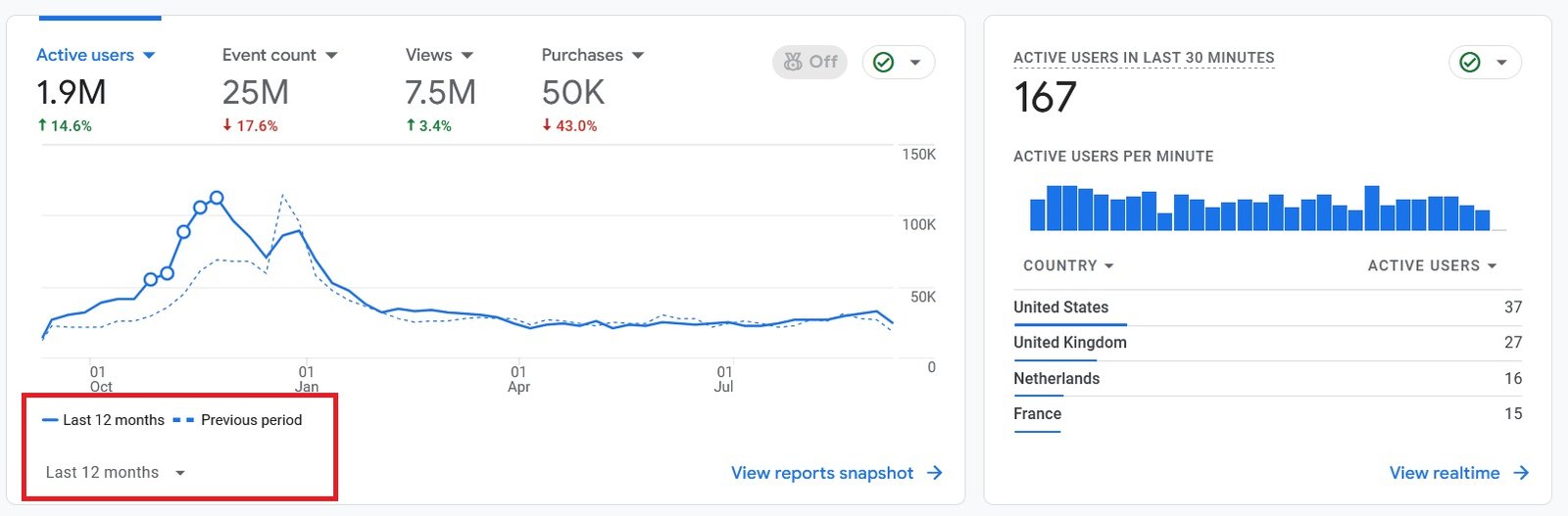
Map Pack Rankings
Ranked in Local Search Within 90 Days
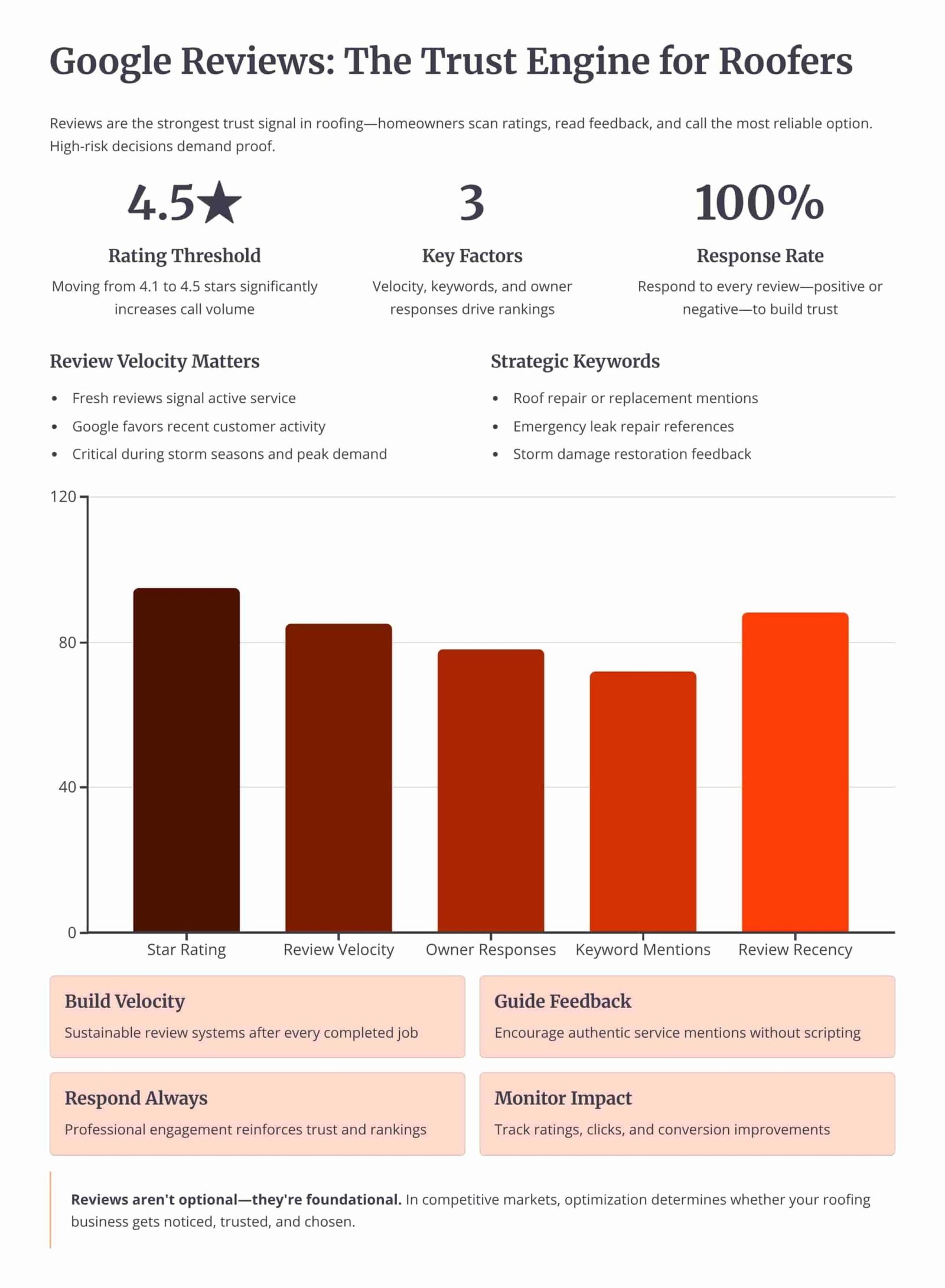
Review Velocity
150+ 5-Star Reviews Generated
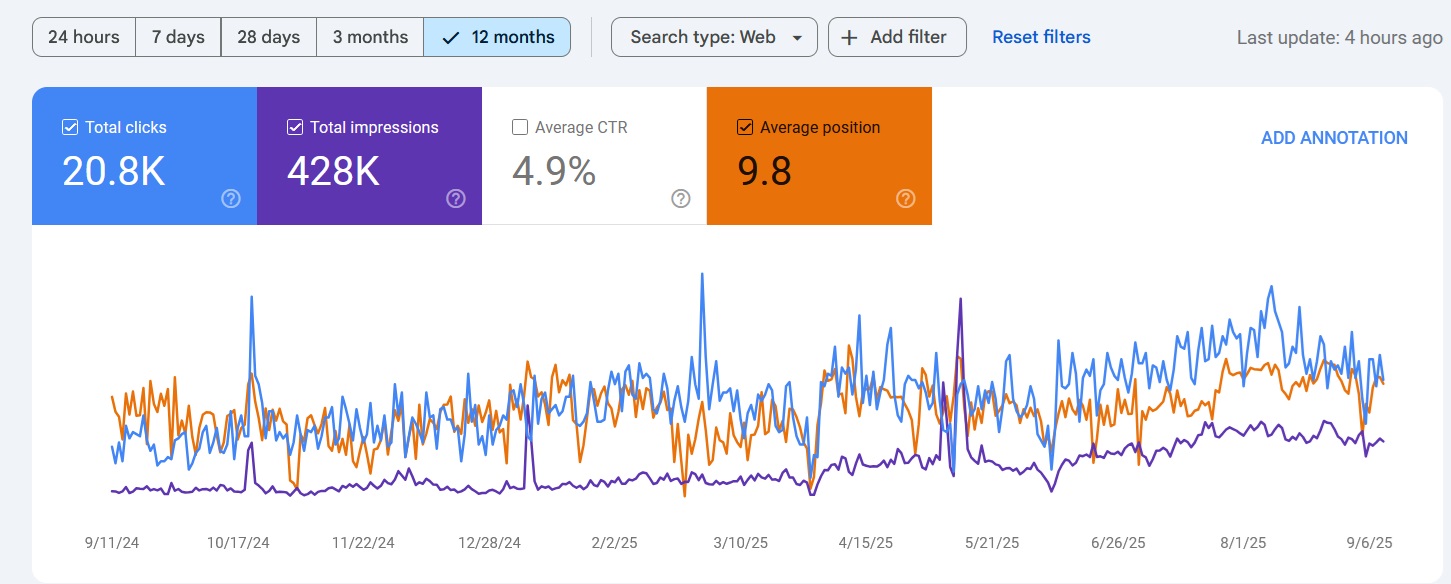
Organic Traffic
300% Increase in Qualified Traffic
What Roofers Say
The 180-Day Roofing SEO Roadmap
See how we optimize the profile, build the website, and earn local-pack rankings over a 6-month engagement.
Month 1: Profile Audit and Setup
- Category and Field Fixes: Setting the primary category, secondary categories, description, services, and service areas.
- NAP Cleanup: Correcting the name, address, and phone number across the profile, the website, and the directory citations.
Month 2: Reviews and Media
- Review System: Setting up a steady request flow and replying to every review, positive and negative.
- Photo and Post Cadence: Uploading job photos from each completed roof and publishing profile posts twice a month.
Month 4: Citations and Site Support
- Citation Building: Adding consistent listings on the directories that feed prominence for a service area.
- Service-Area Pages: Building city pages on the website that reinforce the profile's service areas.
Month 6: Local-Pack Rankings and Leads
- Map-Pack Position: Reaching the top 3 of the local pack for core roofing queries in the served cities.
- Lead Tracking: Measuring calls and direction requests from the profile against the cost of paid leads.
Owning Search Demand vs Renting It From Lead Platforms
If you pay Angi or Google Ads, you are renting visibility. The moment you stop paying, your pipeline dries up. Ranking the profile and the website for high-intent local searches builds permanent digital equity.
Shared Lead Platforms (Angi, HomeAdvisor)
- The Race to the Bottom: Shared leads force you to slash prices to win against 5 other roofers.
- Low Intent: Half the time they aren't ready to buy, they were just clicking around online.
Local Search SEO (Our Approach)
- 100% exclusive, direct-to-you inbound calls.
- Highest closing rate. They chose YOU from the local pack.
- Compounding ROI. You don't pay per click.
We Identify Search Intent Using Industry-Leading Data Tools




Expertise Built on Data.
Not Guesswork.
I'm Nizam Ud Deen, and I don't build generic websites. I build search intent engines specifically for the roofing industry.
For years, I've watched roofers burn money on agencies that brag about "traffic" while the phones stay silent. Traffic without intent is worthless. My system maps exactly how homeowners search during storms, when comparing prices, and when they're ready to buy, and intercepts them at every stage.
The No-Brainer Roofing SEO Guarantee
We don't guarantee "traffic" or "rankings." We guarantee high-intent leads.
"We guarantee to generate 15 exclusive, inbound replacement or repair leads per month within the first 180 days, driven entirely by high-intent organic search. If we don't hit that metric, we work for free until we do."
Measuring Success: Leads and Revenue
We don't report on vanity metrics. If traffic goes up but revenue stays flat, the strategy failed. We track the pipeline.
Call Tracking
Every keyword mapped to the exact phone call it generated.
Form Fills
Tracking estimate requests from high-intent local landing pages.
Booked Jobs
Connecting CRM data to SEO efforts to prove actual revenue return.
Cost per Lead
Monitoring organic CPL to ensure it beats shared platform costs.
The Insurance Restoration Page Checklist
Run the insurance restoration page through this checklist to confirm it earns the storm-claim search and the call.
Frequently Asked Questions
Clear answers about insurance restoration roofing and the claim process.
What is insurance restoration roofing?
Who chooses the contractor on a roof insurance claim?
What is the difference between ACV and RCV?
What is depreciation holdback on a claim?
How much is a roofing insurance deductible?
What is a supplement on a roofing claim?
Do I need a permit for insurance restoration work?
What does a storm-chaser red flag look like?
How does a roofer document storm damage for a claim?
Does insurance cover emergency tarping after a storm?
How long do I have to file a roof storm claim?
Why does insurance restoration content rank well?
Should the page target storm-claim keywords by season?
How does this page fit the roofing SEO silo?
Get Your Free Storm and Insurance Page Audit
We'll review how your site ranks for insurance restoration and storm-claim searches and compare it to your top 3 local competitors to show where the lead is lost.
What You Get:
- Storm Keyword GapThe insurance and storm-claim searches you rank for now, and the ones you miss.
- Content PlanAn outline for the insurance restoration page that covers the full claim process.
More Deliverables
- Competitor ComparisonHow your top 3 local rivals present their storm and claim pages.
- Internal Link MapHow to connect the page to your hail, wind, and emergency pages.
Claim your free storm and insurance page audit today. No commitment required.