
Storm Damage Roofing for Roofing Companies
Storm damage roofing is the inspection, emergency tarping, insurance-backed repair, and replacement work a roofing company performs after wind, hail, rain, or debris strikes a roof. This guide covers the trade and how to rank when storms drive the searches.
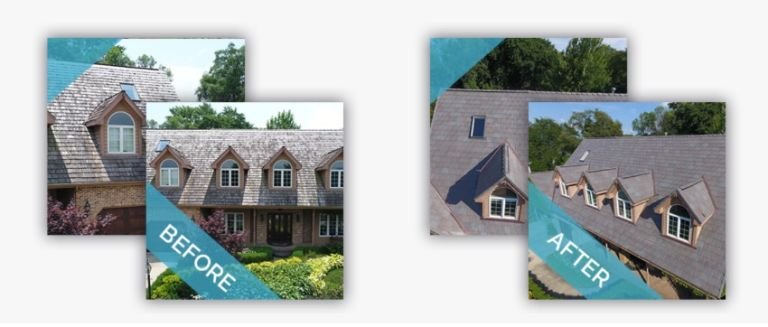
Free Storm Damage Search Audit
Most roofing sites have no page ready to catch the spike after a hailstorm or windstorm. Get a free audit with a competitor comparison and a plan to rank before the next event.
What Is Storm Damage Roofing?
Storm damage roofing is the work a roofing company performs after severe weather damages a roof, spanning emergency response, inspection, documentation, insurance-backed repair, and full replacement.
A Weather-Triggered Service
The work starts with an identifiable weather event, which separates it from gradual wear and shapes both the inspection and the insurance claim.
Tied to Insurance
Most storm damage roofing runs through a homeowner insurance claim, so documentation and scope of work carry as much weight as the repair itself.
Distinct From Routine Repair
A storm response moves faster than scheduled work. See emergency roofing services.
What Types of Storm Damage Affect a Roof?
Four damage types dominate storm claims: wind, hail, rain intrusion, and tree or debris impact. Each leaves a different signature that an inspection has to read.
Wind and Hail
- High winds lift, tear, or remove shingles at edges, ridges, and valleys, and break the seal on shingles that stay in place.
- Hail bruises shingles where granules detach, leaving circular impact marks and cracked or fractured shingles.
- Hail damage is often invisible from the ground and needs a close inspection to confirm. See hail damage repair.
Rain Intrusion and Debris
- Heavy rain exploits compromised flashing and worn sealant, showing as ceiling stains, attic moisture, and wall discoloration.
- Tree and debris impact causes punctures, crushed areas, and structural damage to the decking or trusses.
- Debris impact needs a structural assessment beyond the surface. See wind damage repair.
How Does a Storm Damage Roof Inspection Work?
A storm inspection covers the roof surface, the penetrations, and the attic, then closes with documentation that supports both the repair scope and the insurance claim.
Surface and Penetrations
The inspector examines shingles, ridge caps, hip lines, valleys, and the flashing around every penetration, plus vents, gutters, and downspouts.
Attic and Interior
The attic check looks for water intrusion, insulation damage, ventilation damage, and structural issues with the decking or trusses.
Documentation
High-resolution photos from multiple angles, measurements, a written report, and drone footage where appropriate. See roof inspection.
Be the Page That Ranks Before the Storm
Storm searches spike for days, not weeks. A page already ranking when the weather hits earns the calls. We build and rank the storm content so you are visible when homeowners search.
Call Now For PricingOr call +1 272-207-3231
What Are the Immediate Response Steps After a Storm?
The first response follows a fixed order: safety, documentation, water control, a licensed roofer, then the insurance notice. Acting in that order protects the home and the claim.
The First Hours
- Prioritize safety and avoid downed power lines, damaged roofs, and structural hazards.
- Document visible damage with photos and video from ground level, including any interior damage.
- Slow water intrusion with buckets, by moving valuables, and with tarps only where safe to reach inside.
Calling for Help
- Contact a licensed roofer for a professional assessment and emergency tarping.
- Notify the insurance company within the policy window, which is often 24 to 72 hours for the notice.
- Emergency tarping is the one task that runs before the adjuster visit. See emergency roofing services.
How Does Emergency Tarping Protect the Roof?
Emergency tarping is a temporary cover that holds back further water until permanent repair, and it is the service that wins the storm call before a competitor arrives.
How Tarping Is Done
- Heavy-duty, weather-resistant tarps are secured with proper attachment methods.
- The cover extends beyond the damaged area for complete coverage.
- Lumber or sandbags hold the edges, which avoids adding new roof penetrations.
Response Windows
Typical response runs 2 to 4 hours for an active emergency, with same-day or next-day tarping for urgent situations. Temporary flashing repairs and sealant are short-term measures only, not a substitute for the permanent fix.
How Does the Storm Damage Insurance Claim Work?
The claim moves through five stages: filing, adjuster inspection, estimate review, supplements, then approval and payment. A roofing company that knows the stages keeps the homeowner moving.
The Five Stages
- File within the policy window with the policy number, a damage description, and documentation.
- The insurer assigns an adjuster to inspect, then issues an estimate the contractor reviews.
- Supplements cover damage found during repair; most claims involve at least one supplement.
- Payment is usually issued in two stages, an initial amount and a final amount after completion.
The Terms to Know
- The deductible is the amount the homeowner pays before coverage begins.
- RCV is full replacement cost; ACV is replacement cost minus age-based depreciation.
- Recoverable depreciation is the held-back amount paid after the repair is finished.
- Restoration claim work has its own page. See insurance restoration.
Repair or Replace After a Storm?
The decision turns on the roof's age, the share of the surface damaged, and the state of the decking below. A clear rule keeps the recommendation defensible.
Factors Favoring Repair
- Damage is localized to one area or slope.
- The roof is under 10 years old with sound decking.
- Matching materials are still available and there are no pre-existing condition issues.
Factors Favoring Replacement
- Damage affects multiple slopes or a large area.
- The roof is 15 years or older, or the decking and structure are damaged.
- Matching materials are discontinued. A common guideline: over 15 years old with 30 to 40 percent of the surface damaged usually favors replacement. See roof replacement.
Organic Storm Leads Cost Less Than Storm Chasers Charge
A click from a strong organic listing costs nothing per visit, against 50 to 150 dollars for shared roofing leads. Rank your storm pages and keep the homeowner from ever reaching a lead platform.
Call Now For PricingOr call +1 272-207-3231
How Do You Tell Storm Damage From Normal Wear?
Storm damage and normal wear leave opposite signatures: a sudden, concentrated pattern after an event versus a gradual, uniform decline over years. The distinction decides whether a claim holds.
Marks of Storm Damage
- Sudden onset after an identifiable weather event.
- Concentrated patterns that follow the wind direction or hail path.
- Consistent impact marks, sharp tear edges, and displaced or missing material with a fresh appearance.
Marks of Normal Wear
- Gradual progression over months or years.
- Uniform distribution and gradual granule thinning rather than sudden impact.
- Curling, cupping, brittleness, and a weathered look consistent with the roof's age.
When Do Storm Searches Peak Through the Year?
Storm search behavior follows three seasonal patterns: spring severe weather, the August-to-October hurricane window, and winter ice and snow load. The content calendar should match the weather calendar.
Spring Severe Weather
March through June brings hail, tornadoes, severe thunderstorms, and high winds across the Midwest, Great Plains, and South.
Hurricane Season
August through October brings extreme wind, heavy rain, flooding, and debris impact to the Gulf, Atlantic, and Southeast coasts.
Winter Storms
December through February brings ice dams, snow load, and freeze-thaw cycles to the Northeast, Midwest, and Mountain West. See seasonal SEO for roofers.
How Do You Spot a Storm Chaser?
Storm chasers arrive door-to-door after a storm with pressure tactics, no local presence, and offers that signal fraud. A local roofing company should name these red flags to win trust.
No Real Local Footing
- No permanent local address, out-of-state plates, or a temporary location.
- Licensing cannot be verified through state boards, and no proof of insurance is offered.
- No local references or examples of past projects in the area.
Pressure and Fraud Signals
- Verbal-only estimates, artificial urgency, and demands for full upfront or cash-only payment.
- Offers to waive or pay the insurance deductible, which is insurance fraud.
- Requests to sign over claim rights without a clear explanation.
Proof of Performance
Results from roofing campaigns that rank in local search.
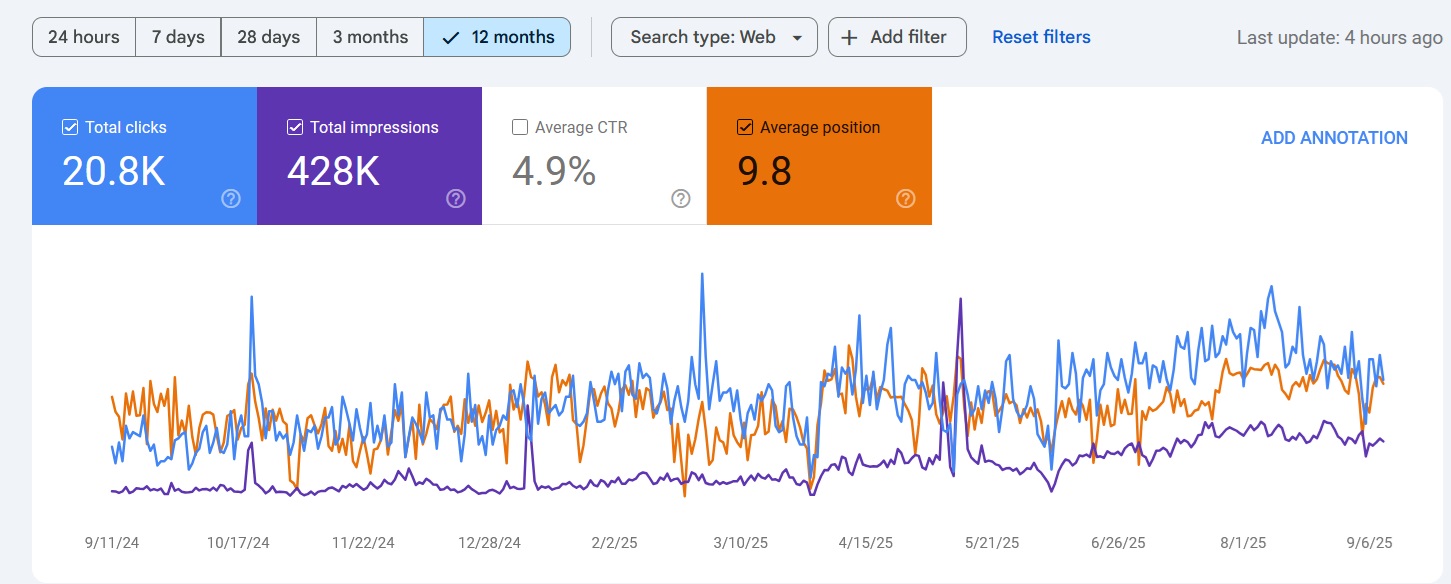
Map Pack Rankings
Ranked in Local Search Within 90 Days
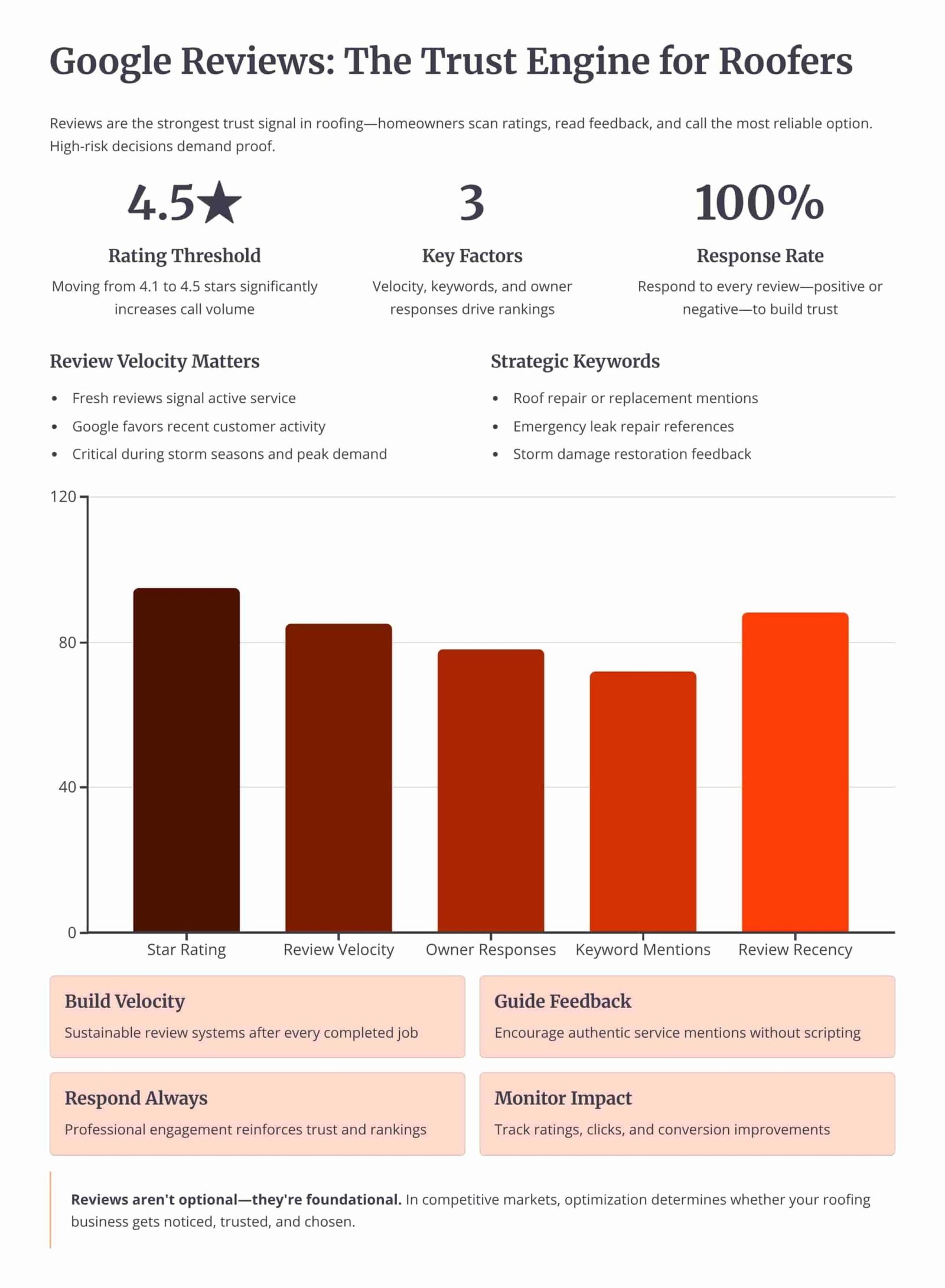
Review Velocity
150+ 5-Star Reviews Generated
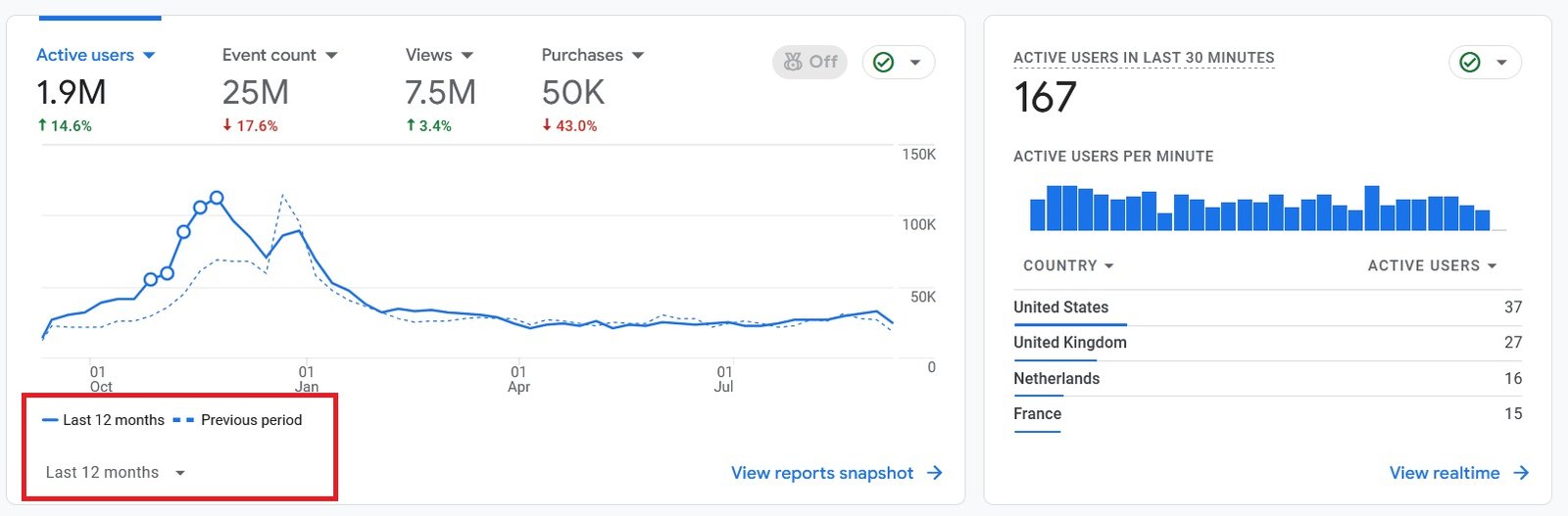
Organic Traffic
300% Increase in Qualified Traffic
What Roofers Say
The 180-Day Roofing SEO Roadmap
See how we optimize the profile, build the website, and earn local-pack rankings over a 6-month engagement.
Month 1: Profile Audit and Setup
- Category and Field Fixes: Setting the primary category, secondary categories, description, services, and service areas.
- NAP Cleanup: Correcting the name, address, and phone number across the profile, the website, and the directory citations.
Month 2: Reviews and Media
- Review System: Setting up a steady request flow and replying to every review, positive and negative.
- Photo and Post Cadence: Uploading job photos from each completed roof and publishing profile posts twice a month.
Month 4: Citations and Site Support
- Citation Building: Adding consistent listings on the directories that feed prominence for a service area.
- Service-Area Pages: Building city pages on the website that reinforce the profile's service areas.
Month 6: Local-Pack Rankings and Leads
- Map-Pack Position: Reaching the top 3 of the local pack for core roofing queries in the served cities.
- Lead Tracking: Measuring calls and direction requests from the profile against the cost of paid leads.
Owning Search Demand vs Renting It From Lead Platforms
If you pay Angi or Google Ads, you are renting visibility. The moment you stop paying, your pipeline dries up. Ranking the profile and the website for high-intent local searches builds permanent digital equity.
Shared Lead Platforms (Angi, HomeAdvisor)
- The Race to the Bottom: Shared leads force you to slash prices to win against 5 other roofers.
- Low Intent: Half the time they aren't ready to buy, they were just clicking around online.
Local Search SEO (Our Approach)
- 100% exclusive, direct-to-you inbound calls.
- Highest closing rate. They chose YOU from the local pack.
- Compounding ROI. You don't pay per click.
We Identify Search Intent Using Industry-Leading Data Tools




Expertise Built on Data.
Not Guesswork.
I'm Nizam Ud Deen, and I don't build generic websites. I build search intent engines specifically for the roofing industry.
For years, I've watched roofers burn money on agencies that brag about "traffic" while the phones stay silent. Traffic without intent is worthless. My system maps exactly how homeowners search during storms, when comparing prices, and when they're ready to buy, and intercepts them at every stage.
The No-Brainer Roofing SEO Guarantee
We don't guarantee "traffic" or "rankings." We guarantee high-intent leads.
"We guarantee to generate 15 exclusive, inbound replacement or repair leads per month within the first 180 days, driven entirely by high-intent organic search. If we don't hit that metric, we work for free until we do."
Measuring Success: Leads and Revenue
We don't report on vanity metrics. If traffic goes up but revenue stays flat, the strategy failed. We track the pipeline.
Call Tracking
Every keyword mapped to the exact phone call it generated.
Form Fills
Tracking estimate requests from high-intent local landing pages.
Booked Jobs
Connecting CRM data to SEO efforts to prove actual revenue return.
Cost per Lead
Monitoring organic CPL to ensure it beats shared platform costs.
The Storm Damage Roofing Page Checklist
Run each storm page through this checklist so it ranks and converts when severe weather drives the searches.
Frequently Asked Questions
Clear answers about storm damage roofing and how to rank for it.
What is storm damage roofing?
What types of storm damage affect a roof?
What should I do first after a storm damages my roof?
How fast can a roofer respond after a storm?
How does the storm damage insurance claim work?
What is the difference between RCV and ACV?
Should I repair or replace a storm-damaged roof?
How do I tell storm damage from normal wear?
Why is hail damage often missed?
What is a storm chaser and how do I avoid one?
How long does storm damage roof work take?
When do storm-related roofing searches peak?
How does a roofing company rank for storm damage searches?
Should the storm page link to hail and wind pages?
Get Your Free Storm Damage Search Audit
We'll review whether your roofing site is ready to rank for storm, hail, and wind searches in your area, and compare it to your top 3 local competitors to show where the calls go instead.
What You Get:
- Storm Page ReviewA check of whether you have a storm, hail, or wind page built to rank for the season.
- Seasonal Timing PlanA calendar that maps your content to the storm patterns in your region.
More Deliverables
- Competitor Gap CheckWhich local roofers already rank for storm queries and where the openings are.
- Internal Link MapHow to connect the storm, hail, wind, and insurance pages into one cluster.
Claim your free storm damage search audit today. No commitment required.