
Hurricane SEO for Roofers
Prepare the pages, profile, and indexing path before a hurricane makes landfall so a roofing company captures the search spike in the first hours instead of scrambling after the storm has passed.

Free Hurricane SEO Readiness Audit
Most roofing sites have no hurricane pages built before the season starts. Get a free audit of your storm readiness, with a competitor comparison and a pre-storm page plan.
What Is Hurricane SEO for Roofers?
Hurricane SEO is the practice of preparing roofing pages, the Google Business Profile, and the indexing path before a storm so a roofing company ranks for hurricane damage searches during the demand spike, not after it. The work happens in the calm months before the season, so the pages are already indexed when homeowners start searching.
Event-Triggered Demand
Hurricane demand does not build slowly. Search volume for hurricane roof repair can jump several hundred percent within a day of landfall, then fade over the following months.
Preparation, Not Reaction
A page published after the storm needs days to weeks to rank. By then the first window has closed. Pages built and indexed in advance are the ones that capture it.
A Seasonal Strategy
Hurricane SEO is one season inside the wider seasonal roofing SEO calendar, where each weather event gets its own preparation and activation plan.
Why Is Hurricane SEO Different From Standard Roofing SEO?
Hurricane SEO is different because the demand arrives as a sudden event-driven spike with urgent, high-conversion intent, so timing the preparation matters more than the slow content cadence that wins ordinary roofing keywords.
The Spike Rewards the Prepared
- Demand is triggered by a single event, not by gradual growth across the year.
- The intent is urgent, so the homeowner is ready to call the first credible listing.
- Most post-storm searches happen on a phone, in the field, near the damaged roof.
- The companies that win the spike are the prepared ones, not always the largest.
Insurance Intent Converts Faster
- Insurance claim queries signal a ready buyer more strongly than a generic roofing term.
- A page built for adjuster support and claim help meets the homeowner at the decision.
- Insurance claim content sits in its own insurance claim content cluster inside this silo.
How Do Homeowners Search After a Hurricane?
Post-hurricane searches fall into three groups: damage-based queries, insurance-intent queries, and geo-trigger queries that pair a city with a storm term. Each group needs a page that already exists and already ranks.
Damage-Based Queries
Terms like "emergency roof repair after hurricane" and "hurricane damage roof inspection" dominate the first days, with immediate commercial intent.
Insurance-Intent Queries
Terms like "insurance claim roofing contractor" and "adjuster support roof repair" signal a homeowner who is ready to start a claim and hire.
Geo-Trigger Queries
Hyper-local queries that combine a city with a storm term reward a company with pre-indexed city pages, such as "hurricane roof repair Miami".
The Preparation Window Is Now
A homeowner searching for an emergency roofer the morning after a hurricane is not comparison shopping. They call the first credible result. Build the pages before the season so that result is you.
Call Now For PricingOr call +1 272-207-3231
Phase One: Pre-Storm SEO Setup
Build the full hurricane infrastructure in the months before the season, so every storm page, city page, and insurance cluster is indexed and ranking before the first warning is issued.
The Pages to Build First
- A dedicated hurricane damage page for every major city and storm zone you serve.
- City and storm-zone combinations, such as "hurricane roof repair Tampa".
- An insurance claim cluster covering adjuster support, documentation, and the claim process.
- A storm-ready set of weather-triggered landing pages sitting dormant until activation.
Why Build Early
- Search engine trust signals take time to develop, so an old page outranks a fresh one.
- A page indexed in advance can rank the moment demand arrives, with no waiting.
- Pre-built pages let you compete on preparation, where a smaller firm can beat a larger one.
Phase Two: Storm Activation Within Hours of Landfall
When a hurricane makes landfall, run a documented activation protocol that wakes the dormant pages, refreshes the profile, and signals freshness inside the first day or two. The first window is the highest-value part of the cycle.
The Activation Checklist
- Submit the hurricane pages to Search Console for re-crawl right away.
- Publish a storm-specific profile post within hours of landfall.
- Update the service areas to reflect the affected zip codes.
- Enable the emergency contact forms on the storm pages.
Signals That Freshness Sends
- Push storm photos to the profile so it reads as active during a local event.
- Monitor and respond to incoming reviews while satisfaction is high.
- Speed of activation depends on the indexing setup in rapid indexing strategies.
Phase Three: Post-Storm Domination
Sustain visibility for the months after the hurricane, when insurance claims and repairs keep demand alive long past the initial spike. The work shifts from speed to depth and proof.
Weeks One and Two
Publish before-and-after content with detailed location descriptions, which reinforces local relevance for the affected cities.
Weeks Two to Four
Activate the review request system with storm-specific language, since fresh reviews carry hurricane keywords into the profile.
Months Two to Four
Reinforce local relevance with case studies and insurance success stories while claims still drive search demand.
Which Hurricane Keywords Should a Roofer Target?
Target keywords by conversion intent over raw volume, across four groups: damage-based, urgency, insurance, and geo-trigger terms. A term searched 200 times a month by homeowners with active storm damage outperforms one searched 2,000 times a month by casual browsers.
The Four Keyword Groups
- Damage-based: "hurricane damage", "wind damage", "flood damage roof repair".
- Urgency: "emergency roof repair", "same-day roof inspection", "24-hour roofing contractor".
- Insurance: "insurance claim roofing", "adjuster support", "roof claim help".
- Geo-trigger: a city name paired with a storm type, such as "hurricane roof repair Orlando".
Why Intent Beats Volume
A high-intent storm keyword on a pre-built, indexed page can outrank a larger competitor who publishes after the storm hits, because search engine trust takes time the competitor does not have. Map the intent first, as covered in search intent for roofers.
What Technical Setup Does Hurricane SEO Need?
Hurricane pages need fast mobile load, pre-submitted indexing, and the right schema, so a page can rank and convert the moment a traffic surge arrives.
Performance for the Surge
- Mobile load under a couple of seconds on every storm landing page.
- Core Web Vitals passing, since most storm searches come from a phone.
- Caching and a CDN configured to absorb a sudden traffic spike.
- See technical SEO for roofers for the full setup.
Indexing and Schema
- All storm pages pre-submitted in Search Console and in the sitemap.
- LocalBusiness schema on location pages, Service schema on storm pages.
- FAQ schema on insurance and adjuster content, so structured answers can show in search. See roofing schema markup.
Storm Leads Cost Less Than Renting Them
A storm lead earned from a ranked page costs nothing per call, against 50 to 150 dollars for a shared storm lead from a platform. Build the pages once and own the spike each season.
Call Now For PricingOr call +1 272-207-3231
Why Do Roofers Lose the Hurricane Season?
Roofing companies lose the season through five recurring failures, each one fixable in the preparation window before the first storm.
Pages and Profile Gaps
- No pre-built storm pages, so a fresh page misses the first window while it waits to index.
- A weak Google Business Profile with no emergency listing and no storm content.
- No insurance keywords, which skips the highest-converting segment of the spike.
Timing and Speed Gaps
- Slow indexing, so the site cannot rank new content fast enough to matter.
- Late entry, where reactive marketing competes against prepared firms already on top.
- The fix for speed lives in emergency response SEO.
How Does Hurricane SEO Fit a Multi-Location Roofer?
A regional roofer needs location-specific architecture, not one generic page with the city name swapped, because generic pages do not perform during a storm.
Per-Market Pages and Profiles
- Every market gets its own hurricane page referencing local geography and storm history.
- Each location runs a fully set-up profile with local storm content and local reviews.
- Generic pages that only swap the city name read as thin and rank poorly.
Coordinated Activation
A storm system that crosses several markets needs a pre-built playbook for each one, so activation runs without custom strategy work during the event. The local-pack side of this work lives in local SEO for roofers.
Where Does Hurricane SEO Sit in the Weather Calendar?
Hurricane season runs June through November in coastal markets, and it shares the year with hail, severe storms, and winter damage that each get their own preparation cycle. A roofer who plans the whole calendar is never in a reactive posture.
The Storm Calendar
- Hurricane season: June to November, with deployment finished before it opens.
- Hail season: spring through fall across much of the country, the top claim driver.
- Severe storms: spring and early summer in central and southern markets.
- Winter storms: late fall through early spring in northern markets.
Cross-Season Pages
Hurricane work pairs with storm season SEO, hailstorm SEO, and winter roof damage SEO, so every season has its own prepared cluster.
Proof of Performance
Results from roofing campaigns that rank in local search.
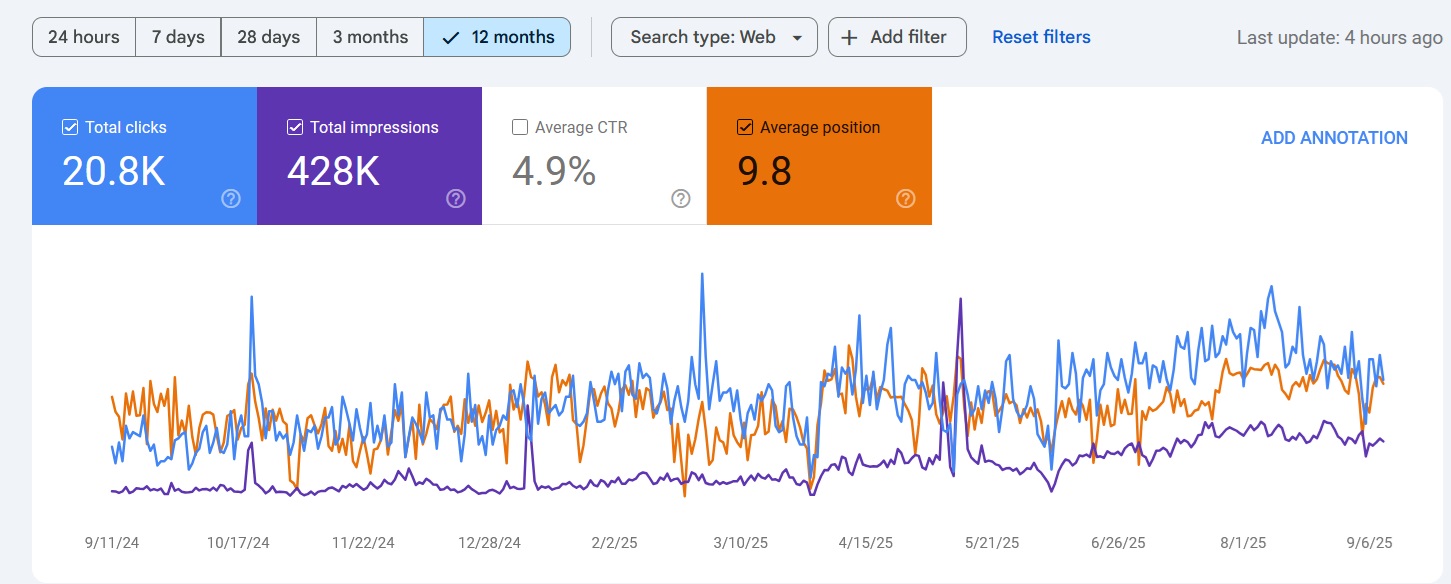
Map Pack Rankings
Ranked in Local Search Within 90 Days
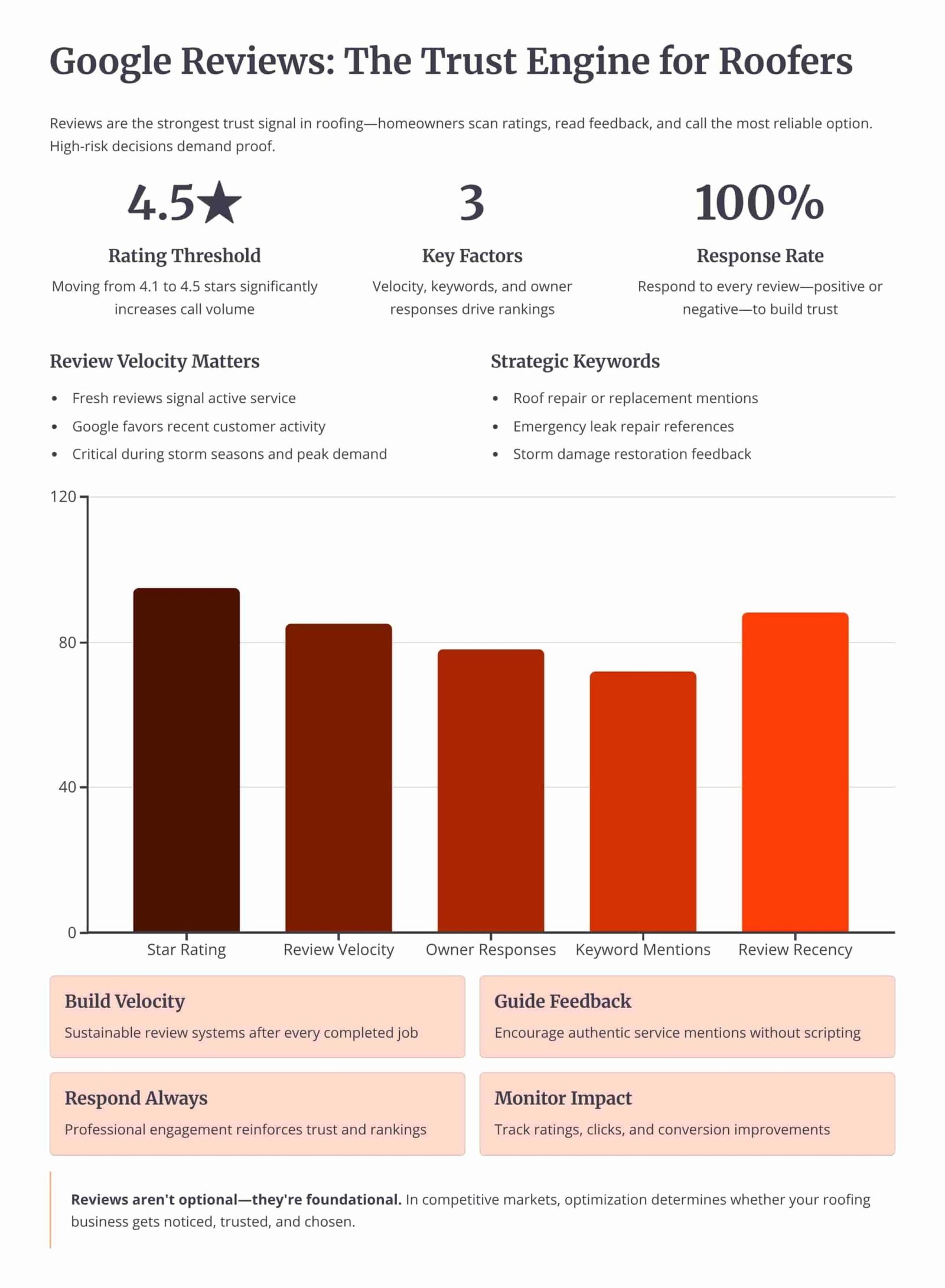
Review Velocity
150+ 5-Star Reviews Generated
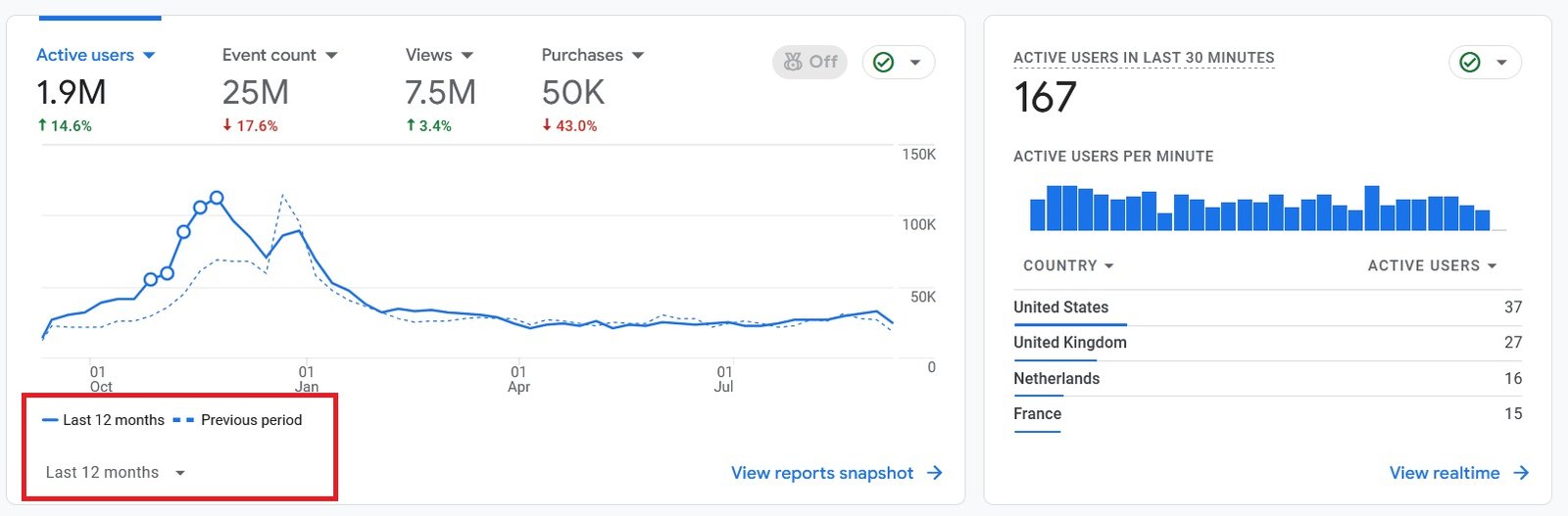
Organic Traffic
300% Increase in Qualified Traffic
The 180-Day Roofing SEO Roadmap
See how we optimize the profile, build the website, and earn local-pack rankings over a 6-month engagement.
Month 1: Profile Audit and Setup
- Category and Field Fixes: Setting the primary category, secondary categories, description, services, and service areas.
- NAP Cleanup: Correcting the name, address, and phone number across the profile, the website, and the directory citations.
Month 2: Reviews and Media
- Review System: Setting up a steady request flow and replying to every review, positive and negative.
- Photo and Post Cadence: Uploading job photos from each completed roof and publishing profile posts twice a month.
Month 4: Citations and Site Support
- Citation Building: Adding consistent listings on the directories that feed prominence for a service area.
- Service-Area Pages: Building city pages on the website that reinforce the profile's service areas.
Month 6: Local-Pack Rankings and Leads
- Map-Pack Position: Reaching the top 3 of the local pack for core roofing queries in the served cities.
- Lead Tracking: Measuring calls and direction requests from the profile against the cost of paid leads.
Owning Storm Demand vs Renting It From Lead Platforms
If you pay Angi or Google Ads for storm leads, you are renting visibility. The moment you stop paying, your pipeline dries up. Ranking the profile and the website for hurricane searches builds permanent digital equity.
Shared Lead Platforms (Angi, HomeAdvisor)
- The Race to the Bottom: Shared storm leads force you to slash prices to win against 5 other roofers.
- Low Intent: Half the time they aren't ready to buy, they were just clicking around online.
Hurricane Search SEO (Our Approach)
- 100% exclusive, direct-to-you inbound calls.
- Highest closing rate. They chose YOU from the local pack.
- Compounding ROI. You don't pay per click.
We Identify Search Intent Using Industry-Leading Data Tools




Expertise Built on Data.
Not Guesswork.
I'm Nizam Ud Deen, and I don't build generic websites. I build search intent engines specifically for the roofing industry.
For years, I've watched roofers burn money on agencies that brag about "traffic" while the phones stay silent. Traffic without intent is worthless. My system maps exactly how homeowners search during storms, when comparing prices, and when they're ready to buy, and intercepts them at every stage.
The No-Brainer Roofing SEO Guarantee
We don't guarantee "traffic" or "rankings." We guarantee high-intent leads.
"We guarantee to generate 15 exclusive, inbound replacement or repair leads per month within the first 180 days, driven entirely by high-intent organic search. If we don't hit that metric, we work for free until we do."
What Roofers Say
The Hurricane SEO Readiness Checklist
Run your roofing site through this checklist before hurricane season to confirm the pages and profile are ready for the spike.
Frequently Asked Questions
Clear answers about hurricane SEO for roofing companies.
What is hurricane SEO for roofers?
When should a roofer prepare hurricane pages?
Why does a page published after a storm rank poorly?
What keywords should a hurricane roofing page target?
How much does search volume rise after a hurricane?
Do hurricane keywords matter more than search volume?
How do I activate hurricane pages when a storm hits?
Where do emergency repair and storm intent pages live?
What technical setup do hurricane pages need?
How does the Google Business Profile help during a storm?
Should multi-location roofers use one hurricane page?
How do reviews help after a hurricane?
How does hurricane SEO relate to hail and storm SEO?
Where does hurricane SEO sit in the roofing SEO framework?
Measuring Success: Leads and Revenue
We don't report on vanity metrics. If traffic goes up but revenue stays flat, the strategy failed. We track the pipeline.
Call Tracking
Every keyword mapped to the exact phone call it generated.
Form Fills
Tracking estimate requests from high-intent local landing pages.
Booked Jobs
Connecting CRM data to SEO efforts to prove actual revenue return.
Cost per Lead
Monitoring organic CPL to ensure it beats shared platform costs.
Get Your Free Hurricane SEO Readiness Audit
We'll review your hurricane pages, profile, and indexing setup and compare them to your top 3 local competitors to show where the storm spike slips away.
What You Get:
- Storm Page Coverage ReviewA check of which cities and storm zones have hurricane pages built and indexed.
- Indexing Readiness ScanA check of whether your storm pages are submitted and crawlable before the season.
More Deliverables
- Profile Readiness CheckWhether the profile lists emergency services and is set up for storm posts.
- Activation Playbook DraftA starter protocol for the steps to run within hours of the next landfall.
Claim your free hurricane SEO readiness audit today. No commitment required.