
Storm Season SEO for Roofers
Prepare the roofing pages, the indexing, and the publishing system before storm season so the listing already ranks the moment severe weather sends homeowners searching.
Free Storm Season SEO Readiness Audit
Most roofing sites build storm pages after the weather hits, when the demand window has already closed. Get a free audit of your storm coverage, indexing status, and publishing speed before the season starts.
What Is Storm Season SEO for Roofers?
Storm season SEO is the practice of building, indexing, and staging roofing pages before severe weather, so the site already ranks during the 24 to 72 hour search spike a storm creates. The work happens in the calm before the season, not in the scramble after the storm.
Event-Driven, Not Evergreen
Roofing demand is shaped by weather. A single storm can compress months of search volume into a day or two, so the timing of your pages matters as much as the wording.
Prepared in Advance
The pages are written and indexed weeks before the season. When the storm hits, the listing is already ranking instead of waiting in Google's crawl queue.
A Strategy, Not a Page
The homeowner intent pages for storm and emergency repair live in the search intent silo. This page covers the seasonal timing that gets them ranking on time.
Why Does Storm Season SEO Matter for Roofers?
It matters because storm searches arrive as a short, high-intent surge, and the contractors already ranking capture the calls while everyone else is still publishing. A page that goes live after the storm has missed the window.
The Demand Comes in a Spike
- A severe storm can pull months of typical search volume into a 24 to 72 hour window.
- Homeowners search immediately after the weather, while the damage is fresh and the urgency is high.
- The contractors holding the top spots take the calls before the demand fades.
Publishing After the Storm Is Too Late
- A new page can take days or weeks to index, by which time the peak has passed.
- A page already crawled and ranked has no such delay when the search surge begins.
- Preparation turns the spike into booked jobs rather than missed calls. See local SEO for roofers.
How Do Homeowners Search After a Storm?
After a storm, searches cluster around damage, insurance, and emergency local queries, mostly on a phone, and the map pack takes a large share of the clicks. Knowing the pattern tells you which pages to stage in advance.
Damage and Repair Queries
Searches like "roof repair near me", "hail damage roof inspection", and "wind damage roofing contractor" rise sharply in the hours after the storm.
Insurance Intent
Queries about coverage and claims, such as "does insurance cover hail damage roof", carry high intent and often lead to full replacement jobs.
Mobile and the Map Pack
Most post-storm searches happen on a phone, where the local three-pack sits above the organic results and takes a large share of the clicks.
Rank Before the Next Storm, Not After
The demand window opens and closes in days. We build and index your storm pages ahead of the season so the calls land on you while competitors are still publishing.
Call Now For PricingOr call +1 272-207-3231
When Should Roofers Build Storm Season Pages?
Build and publish the storm pages two to three months before the season, so Google has time to crawl, index, and rank them before the first storm. The lead time is the whole point of seasonal SEO.
The Pre-Season Build Window
- Publish all storm landing pages two to three months ahead and let them index fully.
- During the season, update the live pages and add supporting posts to keep publishing signals active.
- After a recovery period, add case studies and before-and-after pages while the topic stays warm.
A Simple Rule of Thumb
If you are publishing storm content after the storm, you are already late. The page needs to be crawled and ranked before the search surge, not submitted into it. See seasonal roofing SEO for the full calendar.
Which Storm Pages Should You Stage Before the Season?
Stage three asset types ahead of time: storm-type landing pages, city-by-storm pages, and insurance claim guides. Each one captures a different slice of the post-storm demand.
Storm-Type Landing Pages
Dedicated pages for hail, wind, and general storm repair. Build the hailstorm and hurricane pages before each weather type peaks.
City-by-Storm Pages
One page per city per storm type, using a pattern like "Hail Damage Roof Repair in [City]". This is where seasonal timing meets weather-triggered landing pages.
Insurance Claim Guides
Pages that walk homeowners through the claim process. See insurance claim content for the highest-converting seasonal asset.
How Do You Map Storm-Intent Keywords Before the Season?
Map the keywords by storm type and decision stage, then multiply each across the cities you serve. The map becomes the page plan you build from in the pre-season window.
Group by Stage and Storm Type
- Damage keywords for the first awareness stage, such as "hail damage roof".
- Insurance keywords for the consideration stage, such as "insurance approved roofer near me".
- Emergency local keywords for the conversion moment, such as "emergency roofer near me".
- Each group repeated for hail, wind, and general storm damage.
Multiply Across the Service Area
Take each storm-and-stage keyword and pair it with every city in the service area. The result is a clear list of pages to stage before the season, with no city left without coverage for its likely storm type.
What Is a Rapid Response Publishing System?
A rapid response system is the workflow that lets you publish and index a storm-specific page within hours of an event, using templates and alerts prepared in advance. It turns the staged pages into a fast follow during the storm.
The Parts You Set Up First
- Weather alerts for significant hail, wind, or storm events in the service area.
- Pre-built page templates with placeholder fields for the event and the city.
- A prepared indexing step so the page is submitted the moment it goes live.
- A tracking view to watch rankings, calls, and form fills in real time.
Speed Is the Whole Advantage
The staged pages hold the broad terms. The rapid response page targets the named event and the affected city, and the prepared workflow gets it crawled fast. See rapid indexing strategies for the indexing side.
Organic Storm Leads Cost Less Than Paid Ones
A click from a storm page you ranked ahead of the season costs nothing per visit, against 50 to 150 dollars for paid roofing leads that spike in price the moment a storm hits. Stage the pages and keep the call instead of bidding for it.
Call Now For PricingOr call +1 272-207-3231
How Does Storm Season SEO Differ From Standard Roofing SEO?
Standard roofing SEO builds a steady baseline over time, while storm season SEO prepares for short, event-driven spikes, and the two run together. One holds the floor; the other captures the surge.
Baseline Versus Spike
- Standard SEO targets steady, year-round queries like "roof replacement [city]".
- Storm SEO targets event-based, damage-specific terms that surge after weather.
- The baseline pages keep ranking signals strong so the storm pages rank faster.
They Work Together
A site with strong year-round authority indexes and ranks its storm pages quicker when the season arrives. Build the foundation first. See the roofing SEO fundamentals hub for the baseline work.
Common Storm Season SEO Mistakes Roofers Make
Roofers lose the storm surge through a handful of recurring mistakes, and almost all of them trace back to one root: waiting until the storm hits to act.
Timing and Coverage Errors
- Waiting until storms hit to create the pages, which leaves no time to index.
- Using a generic roofing page for storm searches instead of a storm-specific one.
- Ignoring insurance-intent keywords, which carry the highest-value jobs.
Structure and Speed Errors
- Weak local structure, with no city-by-storm pages across the service area.
- No prepared publishing system, so the response page is slow to go live.
- Storm pages that load slowly on mobile, where most of the searches happen.
How Should Storm Pages Be Built for Mobile?
Build storm pages mobile-first, with fast load, a visible click-to-call, and the city named high on the page. Most post-storm searches happen on a phone, so the phone experience decides the call.
Speed and Contact
- Keep the page loading quickly on a mobile network so the visitor does not bounce.
- Put the phone number where it shows without scrolling, with a sticky call button.
- Make the text readable without zooming on a small screen.
Local Signals on the Page
Name the service area, the cities, and local landmarks high on the page so the storm searcher sees the match at a glance. The faster they confirm you serve their area, the sooner they call.
Proof of Performance
Results from roofing campaigns that rank in local search.
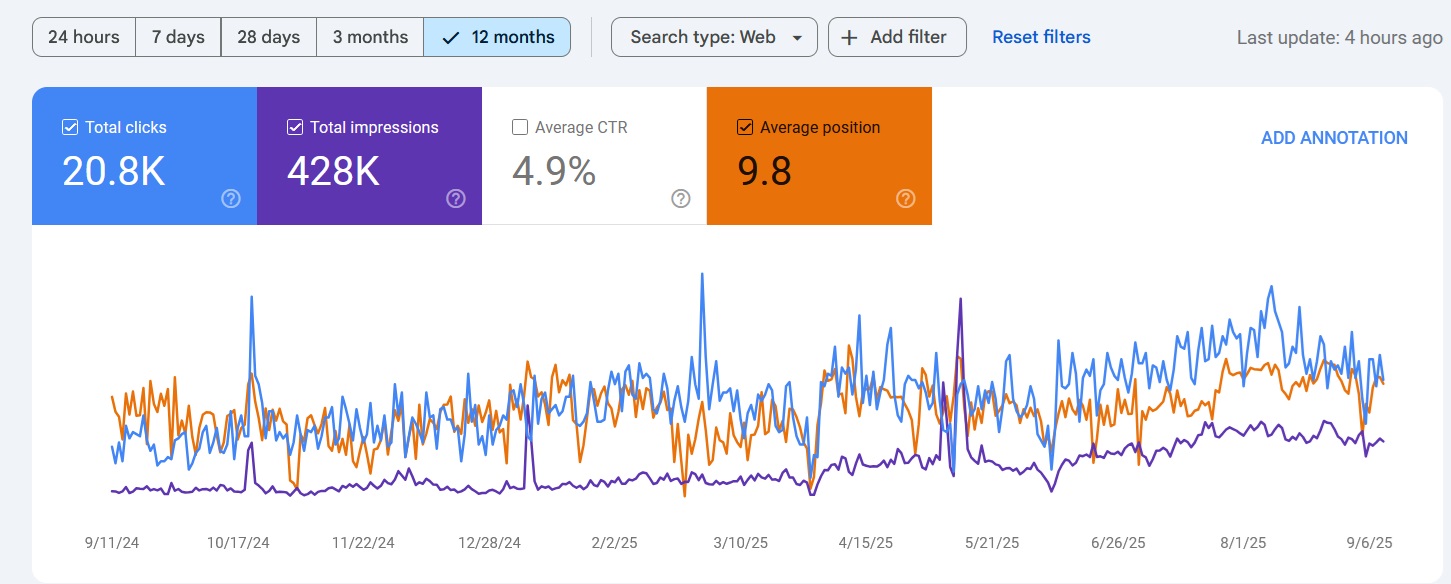
Map Pack Rankings
Ranked in Local Search Within 90 Days
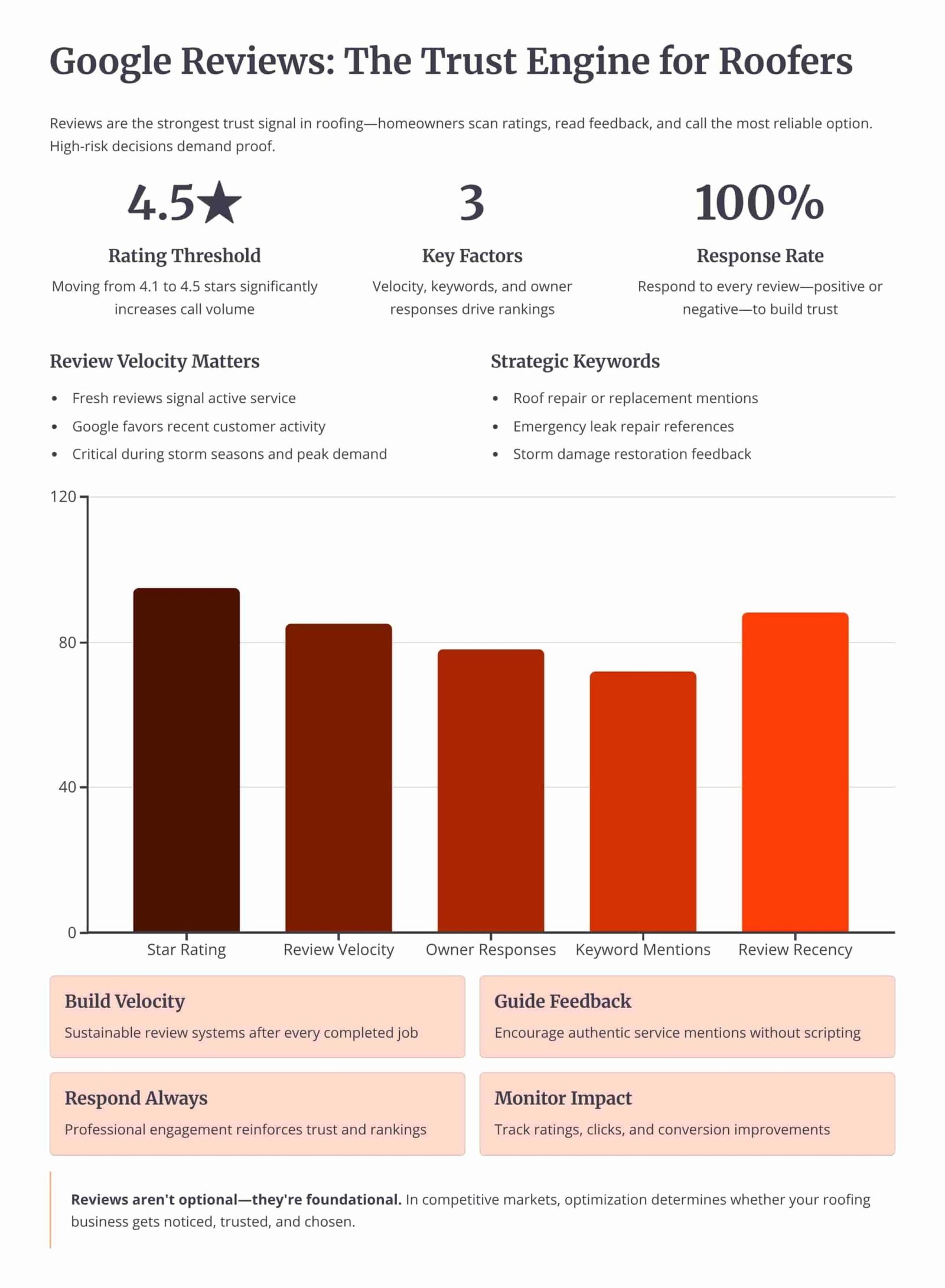
Review Velocity
150+ 5-Star Reviews Generated
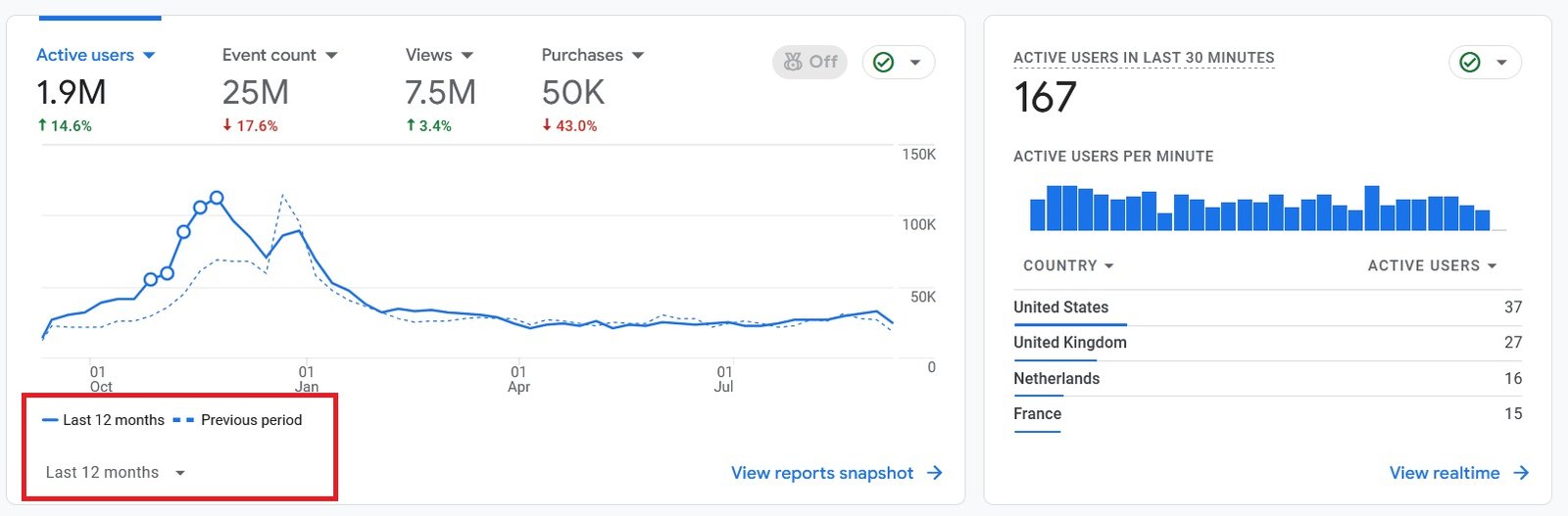
Organic Traffic
300% Increase in Qualified Traffic
What Roofers Say
The 180-Day Storm Season SEO Roadmap
See how we map the storm keywords, stage the pages, and rank them ahead of the season over a 6-month engagement.
Month 1: Storm Keyword Map and Coverage Gaps
- Keyword Mapping: Grouping damage, insurance, and emergency queries by storm type and pairing each with the cities you serve.
- Coverage Audit: Listing which storm-and-city combinations have no page yet, so nothing is missing before the season.
Month 2: Build and Index the Storm Pages
- Page Build-Out: Writing the storm-type and city-by-storm pages so they are live well before the first event.
- Indexing: Submitting each page so Google crawls and indexes it during the calm, not during the surge.
Month 4: Insurance Content and Rapid Response Setup
- Insurance Guides: Publishing claim guides that capture the highest-value seasonal queries about coverage.
- Response Templates: Preparing weather alerts, page templates, and the indexing step so a storm page goes live in hours.
Month 6: Ranked Before the Season and Tracking Leads
- Pre-Season Rankings: Holding top positions for core storm queries in the served cities before the first storm arrives.
- Lead Tracking: Measuring calls and form fills against the cost of paid storm leads during the surge.
Owning the Storm Surge vs Bidding For It
When a storm hits, paid lead prices spike as every roofer bids at once. Ranking your storm pages ahead of the season captures the same surge without the bidding war, and the equity stays after the weather passes.
Paid Storm Leads (Ads, Shared Platforms)
- Prices Spike With the Storm: Bid costs jump the moment demand surges, exactly when you need the leads most.
- Nothing Left After: When the storm passes and you stop paying, the visibility disappears with it.
Staged Storm SEO (Our Approach)
- Pages ranked before the season, ready the moment the storm hits.
- 100% exclusive calls from homeowners who chose you in the search.
- The pages keep ranking after the storm, with no per-click cost.
We Identify Search Intent Using Industry-Leading Data Tools




Expertise Built on Data.
Not Guesswork.
I'm Nizam Ud Deen, and I don't build generic websites. I build search intent engines specifically for the roofing industry.
For years, I've watched roofers burn money on agencies that brag about "traffic" while the phones stay silent. Traffic without intent is worthless. My system maps exactly how homeowners search during storms, when comparing prices, and when they're ready to buy, and intercepts them at every stage.
The No-Brainer Roofing SEO Guarantee
We don't guarantee "traffic" or "rankings." We guarantee high-intent leads.
"We guarantee to generate 15 exclusive, inbound replacement or repair leads per month within the first 180 days, driven entirely by high-intent organic search. If we don't hit that metric, we work for free until we do."
Measuring Success: Leads and Revenue
We don't report on vanity metrics. If traffic goes up but revenue stays flat, the strategy failed. We track the pipeline.
Call Tracking
Every keyword mapped to the exact phone call it generated.
Form Fills
Tracking estimate requests from high-intent local landing pages.
Booked Jobs
Connecting CRM data to SEO efforts to prove actual revenue return.
Cost per Lead
Monitoring organic CPL to ensure it beats shared platform costs.
The Storm Season SEO Readiness Checklist
Run your storm coverage through this checklist before the season to confirm the pages are built, indexed, and ready for the surge.
Frequently Asked Questions
Clear answers about preparing roofing SEO for storm season.
What is storm season SEO for roofers?
When should I build my storm pages?
Why is publishing after a storm too late?
How long does the post-storm search spike last?
What pages should I prepare for storm season?
How is storm SEO different from regular roofing SEO?
What is a rapid response publishing system?
Why do insurance keywords matter so much after a storm?
Do storm pages need to be mobile-first?
How do I map storm keywords for my area?
What is the most common storm SEO mistake?
Where do the homeowner-facing storm pages live?
How does winter fit into storm season SEO?
How do I measure whether storm SEO worked?
Get Your Free Storm Season SEO Readiness Audit
We'll review your storm coverage, indexing status, and publishing speed, and compare them to your top 3 local competitors to show where the surge slips away before it reaches you.
What You Get:
- Storm Coverage ReviewA check of which storm types and cities have pages and which are missing before the season.
- Indexing Status ScanWhich storm pages are crawled and ranking, and which are not yet indexed.
More Deliverables
- Keyword Map DraftA starter map of storm keywords by stage and storm type for your service area.
- Readiness TimelineA schedule that works back from the season so the pages are ranked in time.
Claim your free storm season SEO readiness audit today. No commitment required.