
Seasonal Roofing SEO: Match Content to the Roofing Calendar
Plan roofing content around the seasons so your pages are already indexed and ranking when storm, repair, and replacement demand rises.

Free Seasonal Content Calendar Audit
Most roofing sites publish seasonal pages too late to rank in time. Get a free audit with a season-by-season gap map and a publishing schedule that beats the demand spike.
What Is Seasonal Roofing SEO?
Seasonal roofing SEO is the practice of planning, publishing, and indexing roofing content ahead of each season so the page is already ranking when weather-driven demand peaks. It treats the roofing calendar, not a fixed monthly plan, as the schedule for what gets published and when.
Demand Follows Weather
Hail, snow, and temperature swings trigger predictable search surges. A pre-built page captures that surge; a missing page hands it to a competitor.
Timing Is the Strategy
Indexing takes weeks, so the page has to be live before the season, not after the first storm. Publishing late means missing the entire window.
Built on the Calendar
Spring inspections, summer replacements, fall maintenance, and winter emergencies repeat every year. The calendar does not change, so the plan can be set in advance. See the seasonal SEO hub.
Why Does Timing Matter So Much for Roofers?
Timing matters because Google needs weeks to crawl, index, and rank a new page, so the work has to be done before homeowners start searching. A page published the week of a storm is invisible while the demand window is open.
The 60 to 90 Day Lead
- Publish seasonal content 60 to 90 days before the target season so the page has time to index and earn position.
- A page live and indexed for months tends to outrank a freshly published competitor page for the same query.
- Google generally updates an existing page faster than it ranks a brand-new one, which rewards early publishing.
From Feast-or-Famine to Steady
- Reactive publishing creates a revenue cycle where leads spike unpredictably instead of flowing through the year.
- A calendar that feeds each season into the next smooths the pipeline and reduces reliance on paid leads.
- The homeowner intent behind a storm or emergency search lives in the search intent silo; this page covers when to publish for it.
How Does Demand Shift Across the Four Seasons?
Roofing demand moves through four reliable seasons, each with its own searches and its own publishing deadline. Match the content to the season and publish it on the season's lead time.
Spring: Inspect and Repair
Searches for roof inspection and winter damage repair rise from late February. Publish this content no later than January.
Summer: Replace
The highest-volume season. Replacement cost and best-time-to-replace searches peak from May. Publish in March and April.
Fall: Prepare
Pre-winter inspection and maintenance searches rise in September. Publish by September 1 and run review generation now.
Winter: Emergency
Ice dam and emergency leak searches convert at high rates. Publish in October and November, then build spring content.
Rank Before the Storm, Not After It
A page published the week of a storm is still being crawled while the calls go to the roofer who ranked months ago. We plan and publish your seasonal pages on a lead time that beats the spike.
Call Now For PricingOr call +1 272-207-3231
How Do You Build a Seasonal Content Calendar?
Build the calendar by working backward from each season's peak and scheduling the publish date 60 to 90 days ahead. The year splits into four publishing pushes, each feeding the next.
The Four Publishing Windows
- January and February: build spring inspection, winter damage, and cost pages, and audit seasonal keyword gaps.
- March and April: publish summer replacement and commercial pages, plus storm landing pages.
- May through August: optimize titles, internal links, and FAQ markup while replacement terms peak.
- September through November: publish pre-winter and winter emergency pages, and start next year's spring plan.
Each Season Feeds the Next
Spring inspection leads become summer replacement customers. Fall maintenance content builds the trust that converts winter emergency calls. The calendar runs as one loop rather than four separate campaigns, so the off-season is spent building the next season's pages.
How Does Seasonal Keyword Intent Change?
Keyword intent shifts because the same homeowner searches in different words at different times of year. A March searcher looking up inspection cost is a January searcher looking up an emergency leak.
Seasonal Modifiers
Words like "spring inspection", "pre-winter", and "emergency" attach to the base roofing term and carry their own search volume the rest of the year leaves on the table.
Map the Gaps
A seasonal keyword gap audit lists the spring, summer, fall, and winter terms with no matching page yet, so each push has a clear build list.
Match the Page
A generic year-round page misses these variations. A dedicated page per seasonal term ranks for the words homeowners actually use in that month. See on-page SEO for roofers.
How Do You Prepare for Storm Season Before It Hits?
Prepare for storm season by building geo-targeted pages and getting them indexed 60 to 90 days before the storm window opens. Homeowners search within minutes of an event, so the ranking has to exist before the storm.
Pre-Build the Geo Pages
- Create a page per major city and neighborhood for the storms that hit that area.
- A page targeting "hail damage roof repair [city]" that has ranked for months beats a competitor's fresh page.
- The intent-side hail and storm pages live in the search intent silo; here the focus is having them live in time.
Index Before, Not After
- Publishing after a storm means the demand window has already closed for that event.
- Insurance claim content tends to convert better than a generic repair page when damage is fresh.
- Get every storm page crawled and indexed well ahead of the season. See rapid indexing strategies.
What Advanced Tactics Multiply Seasonal Reach?
Multiply reach by combining geo-targeted seasonal pages, seasonal schema, and review velocity timed to the demand window. Each tactic compounds the calendar rather than replacing it.
Geo Seasonal Pages
A "roof inspection spring [city]" page for the top service areas multiplies the seasonal footprint across the markets you serve.
Seasonal Schema
LocalBusiness, Service, and FAQ schema with seasonal availability signals support rankings and featured snippet placement. See schema for roofers.
Review Velocity
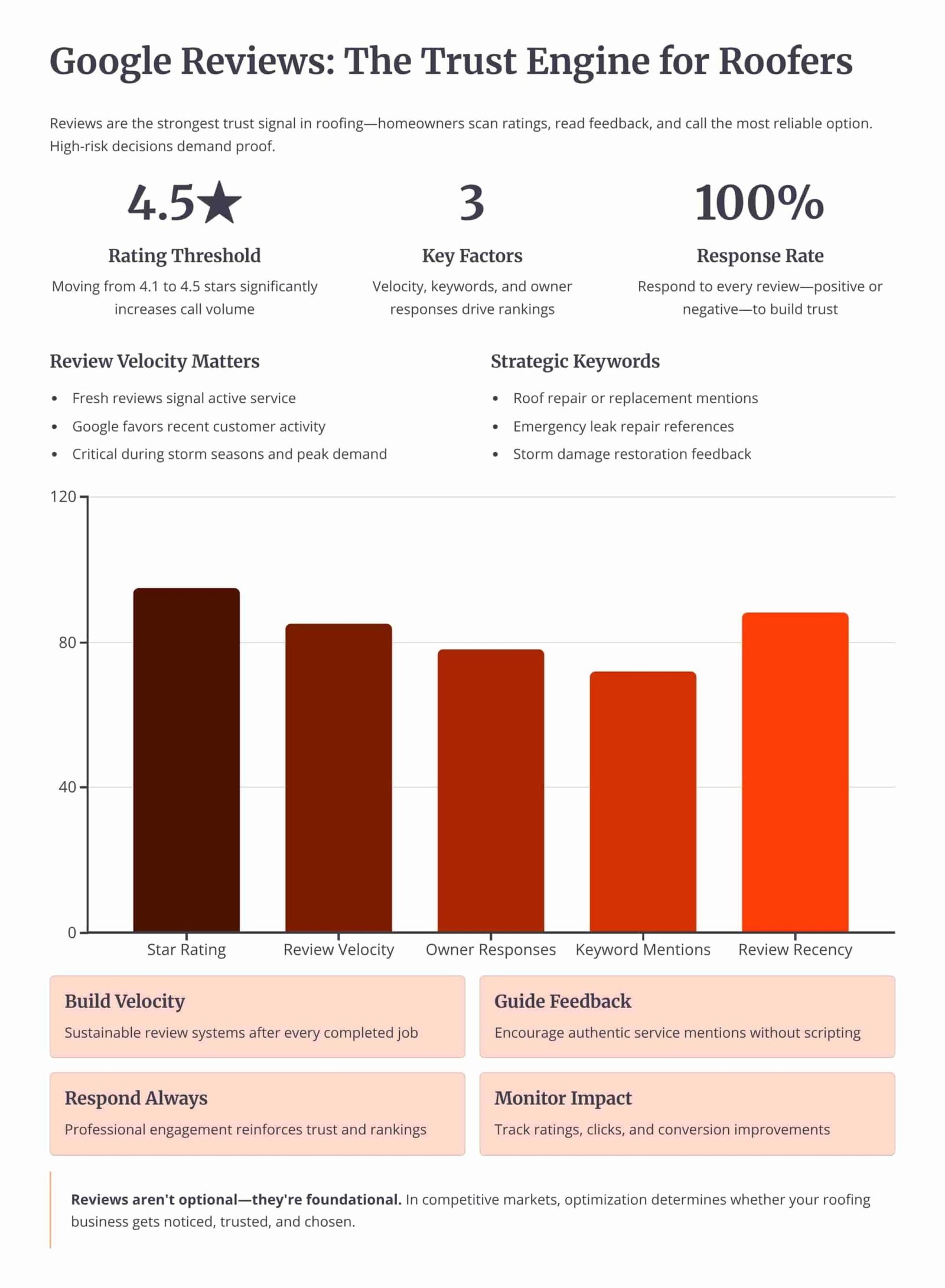
Generating fresh reviews in September and October builds local strength precisely as winter emergency searches begin to rise.
Owned Seasonal Rankings Cost Less Than Storm Ads
After a storm, paid clicks spike to 50 to 150 dollars per roofing lead while everyone bids at once. A page that already ranks captures the same searches at no cost per visit. Build the page ahead of the season and keep the lead.
Call Now For PricingOr call +1 272-207-3231
What Seasonal SEO Mistakes Cost Roofers the Most?
Roofers lose the most from four recurring seasonal mistakes, and each one closes an entire demand window. All four trace back to publishing on the wrong schedule.
Timing and System Errors
- Publishing too late, such as spring content in April or storm content after the event, so the page indexes after the peak.
- No calendar system, which leaves publishing reactive instead of a planned lead-generation schedule.
Content and Keyword Errors
- Ignoring storm SEO and relying on paid ads after the event instead of a page that already ranks.
- Running the same keywords year-round, which misses seasonal variations and the volume they carry.
Which Seasonal Metrics Should Roofers Track?
Track the metrics that show whether each season's pages ranked in time and converted. Measure rankings before the peak, not after, so there is still time to act.
Rankings and Traffic
- Seasonal keyword positions checked 30 days before each season peaks, while there is still time to adjust.
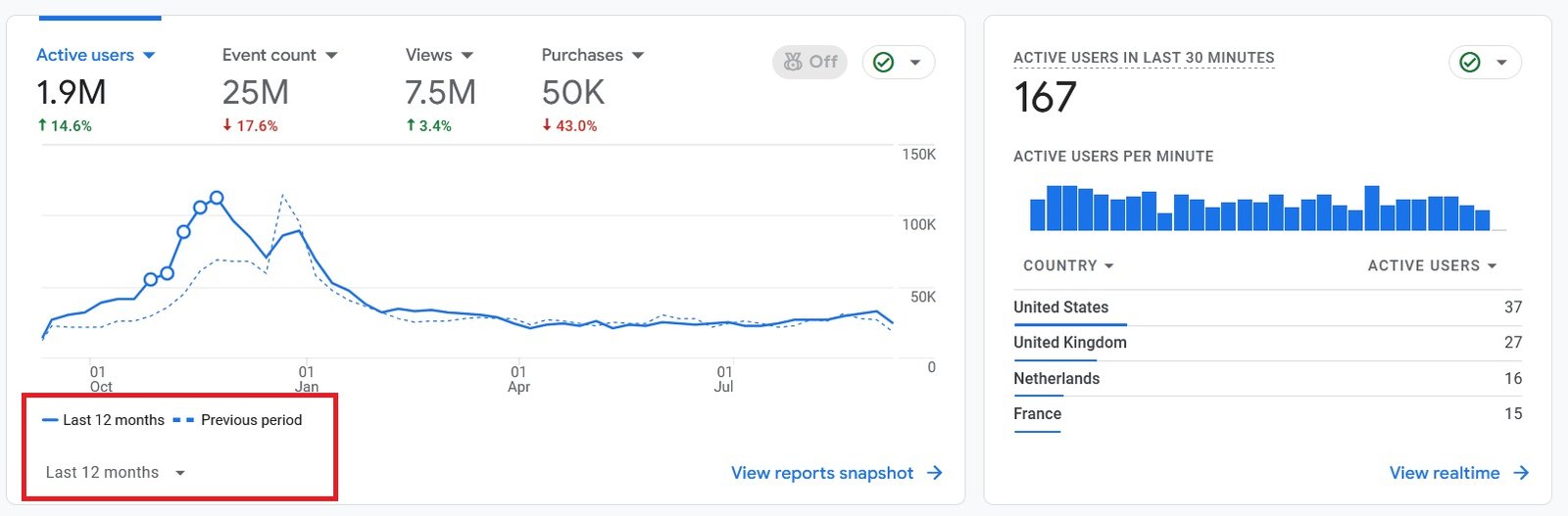
- Organic traffic by season against the same season a year earlier.
- Profile views and call clicks during each peak window.
Conversion and Return
Compare the conversion rate of seasonal landing pages against evergreen pages to see whether the timed content actually earns calls. A seasonal page that ranks but does not convert still needs a clearer offer and call to action.
Proof of Performance
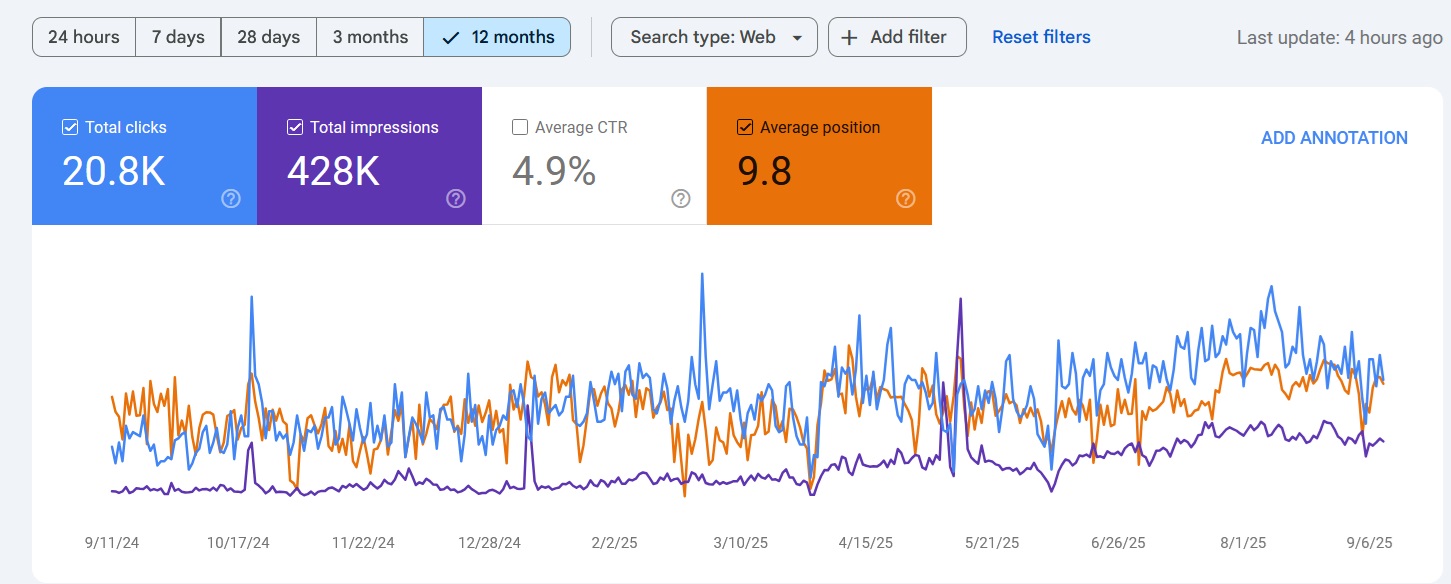
Results from roofing campaigns that rank in local search.
Map Pack Rankings
Ranked in Local Search Within 90 Days
Review Velocity
150+ 5-Star Reviews Generated
Organic Traffic
300% Increase in Qualified Traffic
What Roofers Say
The 180-Day Roofing SEO Roadmap
See how we optimize the profile, build the website, and earn local-pack rankings over a 6-month engagement.
Month 1: Profile Audit and Setup
- Category and Field Fixes: Setting the primary category, secondary categories, description, services, and service areas.
- NAP Cleanup: Correcting the name, address, and phone number across the profile, the website, and the directory citations.
Month 2: Reviews and Media
- Review System: Setting up a steady request flow and replying to every review, positive and negative.
- Photo and Post Cadence: Uploading job photos from each completed roof and publishing profile posts twice a month.
Month 4: Citations and Site Support
- Citation Building: Adding consistent listings on the directories that feed prominence for a service area.
- Service-Area Pages: Building city pages on the website that reinforce the profile's service areas.
Month 6: Local-Pack Rankings and Leads
- Map-Pack Position: Reaching the top 3 of the local pack for core roofing queries in the served cities.
- Lead Tracking: Measuring calls and direction requests from the profile against the cost of paid leads.
Owning Search Demand vs Renting It From Lead Platforms
If you pay Angi or Google Ads, you are renting visibility. The moment you stop paying, your pipeline dries up. Ranking the profile and the website for high-intent local searches builds permanent digital equity.
Shared Lead Platforms (Angi, HomeAdvisor)
- The Race to the Bottom: Shared leads force you to slash prices to win against 5 other roofers.
- Low Intent: Half the time they aren't ready to buy, they were just clicking around online.
Local Search SEO (Our Approach)
- 100% exclusive, direct-to-you inbound calls.
- Highest closing rate. They chose YOU from the local pack.
- Compounding ROI. You don't pay per click.
We Identify Search Intent Using Industry-Leading Data Tools




Expertise Built on Data.
Not Guesswork.
I'm Nizam Ud Deen, and I don't build generic websites. I build search intent engines specifically for the roofing industry.
For years, I've watched roofers burn money on agencies that brag about "traffic" while the phones stay silent. Traffic without intent is worthless. My system maps exactly how homeowners search during storms, when comparing prices, and when they're ready to buy, and intercepts them at every stage.
The No-Brainer Roofing SEO Guarantee
We don't guarantee "traffic" or "rankings." We guarantee high-intent leads.
"We guarantee to generate 15 exclusive, inbound replacement or repair leads per month within the first 180 days, driven entirely by high-intent organic search. If we don't hit that metric, we work for free until we do."
Measuring Success: Leads and Revenue
We don't report on vanity metrics. If traffic goes up but revenue stays flat, the strategy failed. We track the pipeline.
Call Tracking
Every keyword mapped to the exact phone call it generated.
Form Fills
Tracking estimate requests from high-intent local landing pages.
Booked Jobs
Connecting CRM data to SEO efforts to prove actual revenue return.
Cost per Lead
Monitoring organic CPL to ensure it beats shared platform costs.
The Seasonal Roofing SEO Checklist
Run each season's plan through this checklist to confirm the pages are live and indexed before homeowner demand peaks.
Frequently Asked Questions
Clear answers about planning roofing content around the seasons.
What is seasonal roofing SEO?
How far ahead should I publish seasonal content?
When should I publish spring roofing content?
Which season has the highest roofing demand?
Why does storm content need to be published before the storm?
What is a seasonal content calendar for roofers?
How do seasonal keywords differ from year-round keywords?
What is rapid indexing and why does it matter seasonally?
Should I build separate pages for each season?
How do geo-targeted seasonal pages help?
When should I run review generation for seasonal SEO?
What seasonal SEO mistakes cost roofers the most?
How does seasonal SEO relate to search intent pages?
Which seasonal metrics should I track?
Get Your Free Seasonal SEO Plan
We'll map your roofing content against the four seasons and the storm window, then hand you a publishing schedule that gets each page indexed before demand peaks.
What You Get:
- Seasonal Gap MapA season-by-season list of the pages you are missing for spring, summer, fall, and winter.
- Publishing ScheduleEach page mapped to a publish date 60 to 90 days before its season peaks.
More Deliverables
- Storm Page TemplatesGeo-targeted hail damage and insurance claim page outlines ready to build before storm season.
- Indexing PlanThe steps to get each seasonal page crawled and indexed well ahead of its demand window.
Claim your free seasonal SEO plan today. No commitment required.