
Winter Roof Damage SEO for Roofers
Prepare and publish winter roof damage content before the first freeze so the page is indexed and ranking when ice dams, snow load, and cold-weather leaks send homeowners searching.

Free Winter Roofing Content Audit
Most roofing sites still have no winter roof damage page when the cold season arrives. Get a free audit with a competitor comparison and a publishing calendar that puts your page in front of the demand spike.
What Is Winter Roof Damage SEO?
Winter roof damage SEO is the seasonal practice of preparing, publishing, and indexing roofing content before the cold months so a page already ranks when ice dams, snow load, and freeze-thaw leaks drive homeowners to search. The work is timing, not just words: the page has to be live and crawled ahead of the demand spike.
A Seasonal Window
Winter roofing demand opens with the first hard freeze and closes with the spring thaw. The page has to rank inside that window, which means publishing in autumn.
Built Before the Snow
Indexing and early ranking take weeks. A page published in November competes from a standstill against pages that have held the query since autumn.
Distinct From the Intent Page
This is the seasonal strategy. The homeowner-facing emergency page lives in search intent for roofers.
Why Does Winter Demand Need Seasonal Timing?
Winter searches arrive in a short, sharp spike, so a page published after the first storm has already missed the calls it was built to catch. The ranking has to exist before the weather, not after it.
The Spike Is Short and Steep
- An ice storm or a deep freeze can lift winter roof queries sharply for a few days, then the volume falls back.
- A homeowner with an active leak picks from the listings already ranking that morning, not from a page you publish that afternoon.
- The autumn lead time is what lets the page be there when the spike opens.
Cold-Season Searches Convert
- A winter roof search often follows visible damage, so the homeowner is closer to a call than a summer researcher.
- Ranking through the cold months captures repair and emergency demand the rest of the year cannot.
- The same page can carry over to the next winter once it holds the query. See seasonal roofing SEO.
When Should a Winter Roof Page Go Live?
Publish the winter roof damage page six to eight weeks before the first expected freeze in the service area, so indexing and early ranking are done before any storm sends traffic.
Early Autumn: Draft
Write the page while the season is quiet. Map the queries for ice dams, snow load, and winter leaks against the local first-freeze date.
Mid Autumn: Publish
Push the page live six to eight weeks ahead of the freeze. The lead time covers crawling, indexing, and the first ranking movement.
First Freeze: Rank
When the cold arrives the page is already indexed and placed, so the demand spike lands on a listing that is ready to take the call.
Be Ranking Before the First Freeze
A winter roof page published after the storm has already lost the week of calls. We draft and publish the page in autumn so it is indexed and placed when the cold season opens.
Call Now For PricingOr call +1 272-207-3231
Which Winter Damage Topics Should the Page Cover?
Build the page around the four winter failures homeowners actually search: ice dams, snow load stress, freeze-thaw cracking, and hidden leaks under snow. Each one is a query cluster the page can rank for.
Ice Dams and Snow Load
- Ice dams form when attic heat melts roof snow that refreezes at the cold eave and traps water under the shingles.
- Snow load adds weight that stresses decking and rafters, a common winter search after heavy snowfall.
- Both terms pull steady cold-season volume in snow regions.
Freeze-Thaw and Hidden Leaks
- Freeze-thaw cycles make shingles and flashing brittle, then crack the bond as temperatures swing.
- Meltwater can travel under snow cover and surface as a ceiling stain far from its entry point.
- Cover the warning signs so the page answers the homeowner's research query too.
How Should the Page Speak to Ice Dam Searches?
Answer the ice dam query plainly first, then explain the cause, the warning signs, and the action, so the page satisfies both the researcher and the homeowner with an active drip.
The Cause
Inadequate attic insulation lets heat escape, warms the upper roof, melts the snow above, and the meltwater refreezes at the cold eave into a growing ice dam.
The Warning Signs
Ice buildup at the roof edge, ceiling stains or active drips, icicles along the gutter line, and rising heat loss are the signals to name on the page.
The Action
Stop the interior spread, document the damage with timestamps, and call a roofer. Route the urgent reader to the emergency contact path.
How Do You Map Winter Queries to Intent?
Winter roof searches split into three intents: emergency, research, and comparison, and the page wins more of the season when it addresses all three without diluting any one of them.
Emergency Intent
A homeowner with an active leak wants a fast call path. Hand this query to the emergency page in emergency response SEO.
Research Intent
A homeowner assessing the problem wants the cause and the warning signs. The explainer sections on this page answer that query.
Comparison Intent
A homeowner weighing companies wants proof and trust signals. The reviews and guarantee blocks below carry that part of the season.
How Do You Get a Winter Page Indexed Fast?
Speed indexing by submitting the URL, linking it from pages Google already crawls often, and keeping the sitemap current, so the page is in the index well before the cold-season spike.
Submit and Link
- Submit the URL for inspection in Google Search Console the day it goes live.
- Link it from the homepage and from a service page that Google crawls often, so discovery is fast.
- Keep the XML sitemap updated so the new URL is listed at once.
Hold and Refresh
- Keep the page live year-round so it holds the query into the next winter instead of starting over.
- Refresh the dates and damage examples each autumn ahead of the season.
- See the full method in rapid indexing strategies.
Organic Clicks Cost Less Than Paid Ones
A click earned from a winter listing that ranks costs nothing per visit, against 50 to 150 dollars for paid roofing leads in storm season. Rank the page through the cold months and keep the call instead of buying it.
Call Now For PricingOr call +1 272-207-3231
How Should Winter Content Handle Insurance Searches?
Cover the insurance angle in plain terms, since many policies treat sudden ice dam water damage and maintenance neglect differently, and route the deeper claim content to its own page.
What the Page Should Say
- Many standard policies cover sudden, accidental water damage from an ice dam.
- Damage attributed to a lack of maintenance is often excluded, which homeowners search to confirm.
- Prompt, documented inspection supports the claim, so the page should prompt photos with timestamps.
Where the Detail Lives
Keep this page focused on the winter damage and its timing. Send the full claim walkthrough to insurance claim content so neither page dilutes the other.
Common Winter SEO Mistakes Roofers Make
Roofing sites lose the cold season through six recurring winter SEO mistakes, each one avoidable with autumn lead time.
Timing and Indexing Errors
- Publishing the page after the first storm, when ranking is already too late to catch the spike.
- Leaving the page out of the sitemap, so indexing drags past the demand window.
- Deleting the page in spring, then rebuilding from zero the next winter.
Content and Intent Errors
- One thin page that mixes ice dams, snow load, and leaks without answering any query well.
- No clear call path for the homeowner with an active winter leak.
- Generic roofing copy that ignores the winter terms homeowners actually type.
How Does Winter Fit the Full Seasonal Calendar?
Winter is one peak in a year of roofing demand, so the winter page should connect to the other seasonal pages rather than stand alone. Storm season, hail, and the autumn build-up each feed the same plan.
The Cold-Season Slot
- Winter roof damage demand opens after the first freeze and runs through the thaw.
- Autumn is the build-and-publish window so the page ranks before the cold.
- The page carries over year to year once it holds the query.
The Neighbouring Peaks
Pair the winter page with storm season SEO and weather-triggered landing pages so the whole calendar is covered.
Proof of Performance
Results from roofing campaigns that rank in local search.
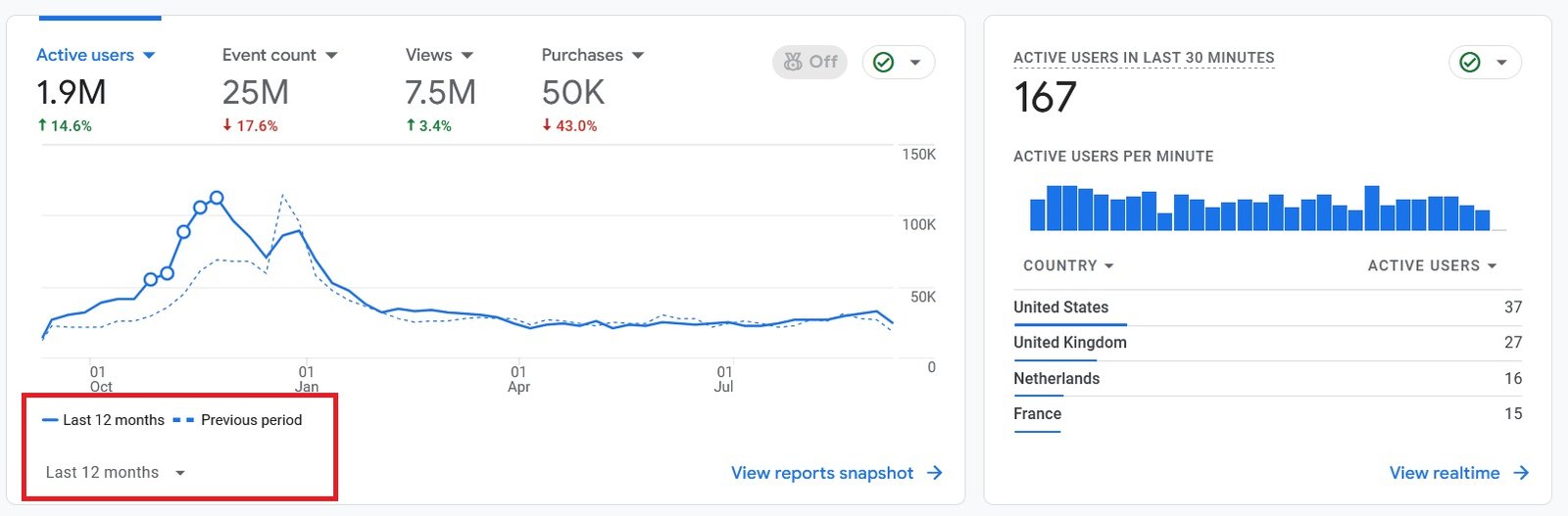
Map Pack Rankings
Ranked in Local Search Within 90 Days
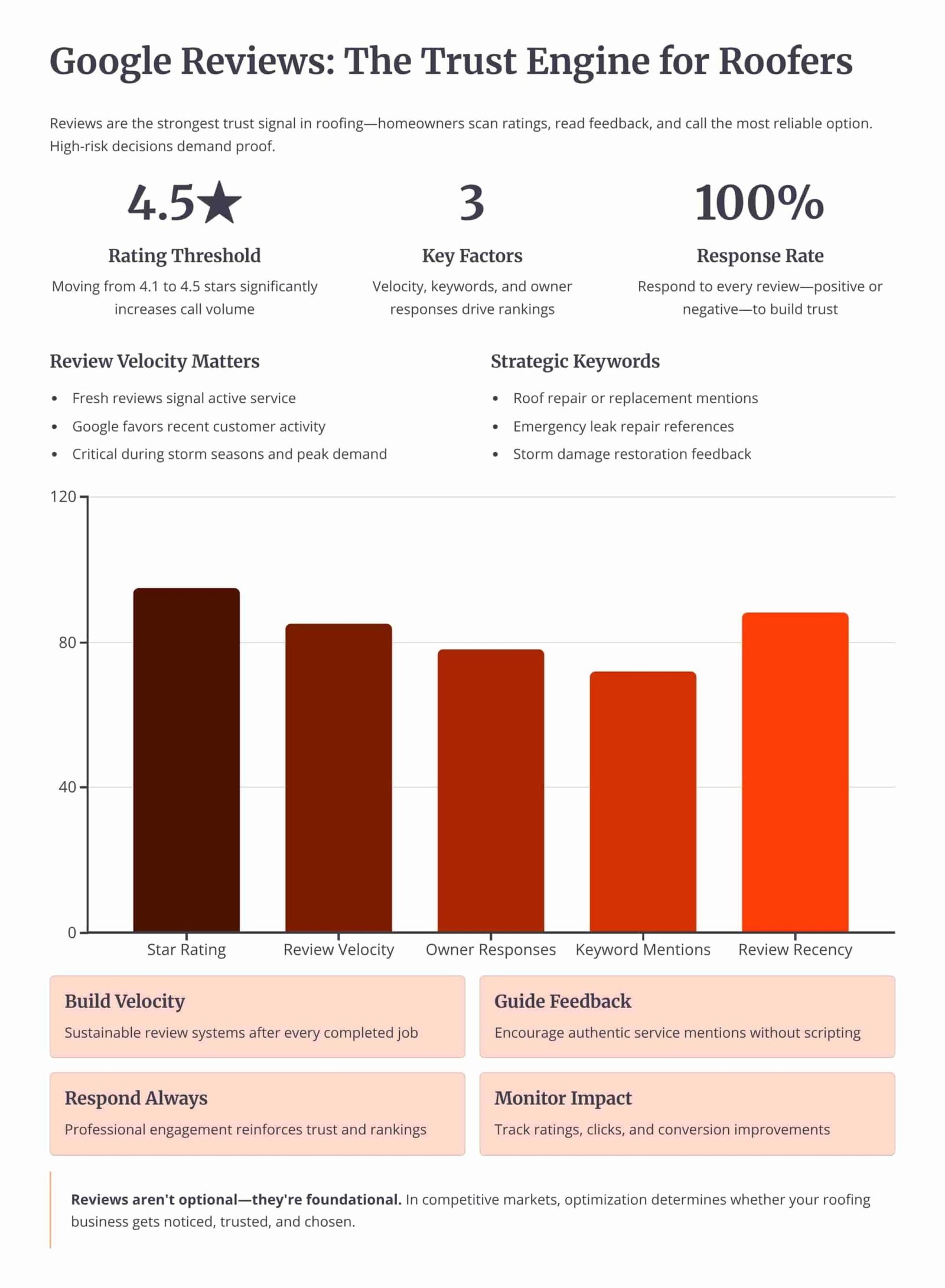
Review Velocity
150+ 5-Star Reviews Generated
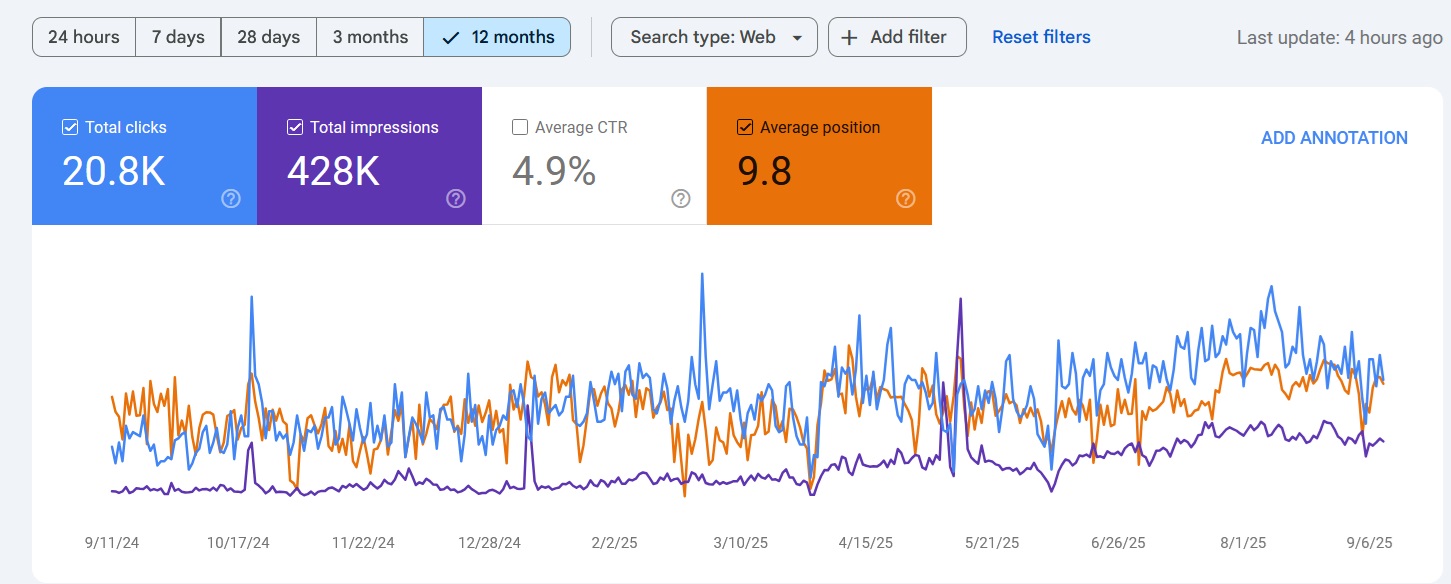
Organic Traffic
300% Increase in Qualified Traffic
What Roofers Say
The 180-Day Roofing SEO Roadmap
See how we optimize the profile, build the website, and earn local-pack rankings over a 6-month engagement.
Month 1: Profile Audit and Setup
- Category and Field Fixes: Setting the primary category, secondary categories, description, services, and service areas.
- NAP Cleanup: Correcting the name, address, and phone number across the profile, the website, and the directory citations.
Month 2: Reviews and Media
- Review System: Setting up a steady request flow and replying to every review, positive and negative.
- Photo and Post Cadence: Uploading job photos from each completed roof and publishing profile posts twice a month.
Month 4: Citations and Site Support
- Citation Building: Adding consistent listings on the directories that feed prominence for a service area.
- Service-Area Pages: Building city pages on the website that reinforce the profile's service areas.
Month 6: Local-Pack Rankings and Leads
- Map-Pack Position: Reaching the top 3 of the local pack for core roofing queries in the served cities.
- Lead Tracking: Measuring calls and direction requests from the profile against the cost of paid leads.
Owning Search Demand vs Renting It From Lead Platforms
If you pay Angi or Google Ads, you are renting visibility. The moment you stop paying, your pipeline dries up. Ranking the profile and the website for high-intent local searches builds permanent digital equity.
Shared Lead Platforms (Angi, HomeAdvisor)
- The Race to the Bottom: Shared leads force you to slash prices to win against 5 other roofers.
- Low Intent: Half the time they aren't ready to buy, they were just clicking around online.
Local Search SEO (Our Approach)
- 100% exclusive, direct-to-you inbound calls.
- Highest closing rate. They chose YOU from the local pack.
- Compounding ROI. You don't pay per click.
We Identify Search Intent Using Industry-Leading Data Tools




Expertise Built on Data.
Not Guesswork.
I'm Nizam Ud Deen, and I don't build generic websites. I build search intent engines specifically for the roofing industry.
For years, I've watched roofers burn money on agencies that brag about "traffic" while the phones stay silent. Traffic without intent is worthless. My system maps exactly how homeowners search during storms, when comparing prices, and when they're ready to buy, and intercepts them at every stage.
The No-Brainer Roofing SEO Guarantee
We don't guarantee "traffic" or "rankings." We guarantee high-intent leads.
"We guarantee to generate 15 exclusive, inbound replacement or repair leads per month within the first 180 days, driven entirely by high-intent organic search. If we don't hit that metric, we work for free until we do."
Measuring Success: Leads and Revenue
We don't report on vanity metrics. If traffic goes up but revenue stays flat, the strategy failed. We track the pipeline.
Call Tracking
Every keyword mapped to the exact phone call it generated.
Form Fills
Tracking estimate requests from high-intent local landing pages.
Booked Jobs
Connecting CRM data to SEO efforts to prove actual revenue return.
Cost per Lead
Monitoring organic CPL to ensure it beats shared platform costs.
The Winter Roof SEO Readiness Checklist
Run the winter page through this checklist in autumn to confirm it is built, indexed, and ready before the cold season opens.
Frequently Asked Questions
Clear answers about winter roof damage SEO for roofing companies.
What is winter roof damage SEO?
When should I publish my winter roof page?
Why does timing matter for winter roofing content?
What topics should a winter roof page cover?
What causes an ice dam?
How do I get a winter roof page indexed quickly?
Should I delete the winter page in spring?
How does winter content handle emergency searches?
Does insurance cover ice dam water damage?
How is the winter page different from the emergency page?
What are the warning signs of winter roof damage?
How does winter fit the rest of the seasonal calendar?
Should the winter page target local terms too?
How early should I refresh the page each year?
Get Your Free Winter Roofing Content Audit
We'll review your winter roof content and publishing calendar, then compare them to your top 3 local competitors to show where the cold-season demand goes elsewhere.
What You Get:
- Winter Content ReviewA check of whether the page covers ice dams, snow load, and winter leaks.
- Publishing CalendarA dated plan that puts the page live before your local first-freeze window.
More Deliverables
- Indexing CheckWhether the page is in the index and discoverable before the cold season.
- Topic Gap ListWinter queries your competitors rank for that your page does not yet answer.
Claim your free winter roofing content audit today. No commitment required.