
Commercial Roofing Services
Commercial roofing services cover the installation, repair, maintenance, and replacement of low-slope and flat roof systems on businesses, warehouses, and multi-tenant buildings. This guide explains the systems and how to rank for the work.

Free Commercial Roofing SEO Audit
Most roofing sites bury commercial work behind one thin page. Get a free audit with a competitor comparison and a content plan that targets property managers and facility decision-makers.
What Are Commercial Roofing Services?
Commercial roofing services are the installation, repair, maintenance, and replacement of roof systems on commercial buildings, where the roof is usually flat or low-slope and covered by a single-ply membrane, modified bitumen, built-up roofing, or metal.
Low-Slope and Flat
Most commercial roofs are flat or low-slope, so they shed water through internal drains and tapered insulation rather than the steep pitch of a house.
Membrane and Metal Systems
The core systems are single-ply membranes such as TPO, EPDM, and PVC, plus modified bitumen, built-up roofing, and standing seam metal.
Service, Not One-Time
Commercial work runs on maintenance contracts and condition reports, not one-time jobs. See flat roofing systems.
How Does Commercial Roofing Differ From Residential?
Commercial roofing differs because the buildings are larger, the slopes are flatter, the buyer is a property manager or facility owner, and the work runs through competitive bids and maintenance contracts rather than a single homeowner decision.
The Building and the Roof
- Extensive surface areas measured in tens of thousands of square feet.
- Complex internal drainage instead of edge gutters.
- Multiple HVAC units, vents, and penetrations to flash and seal.
- Flat and low-slope configurations that pond water if drainage fails.
The Buyer and the Process
- Competitive bidding, where two or three contractors submit proposals.
- Strict safety protocols and proof of insurance on every site.
- Minimal disruption to the tenant's operating hours.
- Ongoing maintenance contracts rather than a one-time project. See residential roofing services.
What Commercial Roof Systems Should You Cover?
Cover the systems a commercial buyer actually compares: TPO, EPDM, PVC, modified bitumen, built-up roofing, and metal. Each one earns its own page so the search for that system lands on the right answer.
TPO and PVC
TPO is a heat-welded white membrane that reflects heat, with a typical 15 to 20 year service life. PVC adds chemical resistance and stronger fire ratings at a higher cost.
EPDM and Bitumen
EPDM is a synthetic rubber membrane that flexes in temperature swings and can last 30 years or more. Modified bitumen suits high-traffic roofs that need puncture resistance.
Metal Systems
Standing seam and through-fastened metal panels can serve 40 years or more, are recyclable, and accept solar mounting. See metal roofing.
Turn Commercial Searches Into Bids
A property manager searching for a commercial roofer reads two or three listings before requesting a proposal. A page that names the system and the building type wins the invitation to bid.
Call Now For PricingOr call +1 272-207-3231
What Services Does a Commercial Roofing Page Cover?
A commercial roofing page covers six core services: inspection and condition reports, repairs and leak fixes, replacement and retrofit, coatings and restoration, maintenance programs, and emergency response.
Inspection, Repair, and Replacement
- Condition reports using infrared thermography and core sampling.
- Repairs to membrane, flashing, and roof penetrations.
- Full replacement or retrofit over an existing system.
- Cross-link the work to roof inspection and roof replacement.
Coatings, Maintenance, and Emergency
- Silicone, acrylic, or urethane coatings that restore an aging membrane.
- Maintenance programs with scheduled inspections, drain cleaning, and documentation.
- Emergency response for storm damage and active leaks.
- See roof maintenance and emergency roofing services.
When Should a Commercial Roof Be Repaired or Replaced?
Repair when the damage is isolated and the roof has most of its life left; replace when failures spread, the insulation is saturated, or the roof has passed roughly 75 percent of its expected service life.
Repair Is the Cost-Effective Choice
- The damage sits in one isolated area of the membrane.
- The roof still holds the majority of its service life.
- A targeted patch or section repair restores the seal.
Replacement Returns Better Value
- Multiple failure points appear across the roof at once.
- The roof has passed about 75 percent of its expected life.
- Insulation moisture has spread and trapped water under the membrane.
- See roof repair for the repair side.
What Problems Do Commercial Roofs Develop?
Commercial roofs develop five recurring problems: ponding water, seam separation, flashing failure, wind uplift and blow-offs, and condensation under the insulation. Each problem maps to a known fix.
Water and Seam Failures
- Ponding water clears with drain cleaning, tapered insulation, or structural correction.
- Seam separation is reinforced, patched, or replaced by section.
- Flashing failures are corrected with proper detailing at the penetration.
Wind and Moisture Failures
- Wind uplift and blow-offs are addressed with enhanced fastening or edge metal.
- Condensation calls for a vapor barrier or insulation replacement.
- A page that names the problem ranks for the search that describes it.
When Does a Restoration Coating Make Sense?
A restoration coating makes sense when the roof has 40 to 60 percent of its life left, a sound substrate, no widespread moisture, and only minor surface weathering. Outside that window, replacement is the answer.
Good Candidates for Coating
- The roof retains 40 to 60 percent of its useful life.
- The substrate is structurally sound.
- There is no widespread moisture intrusion.
- The surface shows only minor weathering.
When Coating Will Not Hold
- The membrane carries extensive damage.
- The insulation is saturated with water.
- The deck has structural deficiencies.
- Severe ponding water remains on the surface.
Organic Bids Cost Less Than Paid Ones
A commercial bid request earned from organic search costs nothing per visit, against the high cost of paid commercial roofing leads. Rank the topic pages and earn the request instead of buying it.
Call Now For PricingOr call +1 272-207-3231
How Should You Rank for Commercial Roofing Searches?
Rank by building a cluster: one commercial roofing hub page, a page per system, and pages for the services and problems, all interlinked so search engines read the depth.
Build the Topic Cluster
- One hub page on commercial roofing services as the anchor.
- A dedicated page for each system, such as TPO, EPDM, and PVC.
- Service and problem pages that link back to the hub.
- Apply the structure in on-page SEO for roofers.
Match the Commercial Buyer
- Write for the property manager, not the homeowner.
- Name the building type, the square footage range, and the system.
- Tie the work to the city with local SEO for roofers.
How Often Should a Commercial Roof Be Inspected?
Inspect a commercial roof at least twice a year, in spring and fall, plus after any severe weather event. Older or complex systems may need quarterly inspections to hold the warranty and catch failures early.
The Inspection Cadence
- A minimum of two inspections each year, in spring and fall.
- An added inspection after each severe storm.
- Quarterly inspections for older roofs or complex systems.
Why the Cadence Matters
A maintenance program can extend a roof's service life by 30 to 50 percent, reduce emergency repair costs, and keep the warranty in force. It also gives the property manager a predictable annual budget.
What Warranties and Documents Cover Commercial Roofs?
Commercial roofs carry material warranties of 10 to 30 years, workmanship warranties of 1 to 10 years, and system warranties that apply when an approved installer uses approved materials. Most require documented preventive maintenance.
Warranty Components
- Material warranties that run 10 to 30 years.
- Workmanship warranties that run 1 to 10 years.
- System warranties tied to approved materials and installers.
- See roofing warranties.
Standard Documentation
- As-built drawings and material certifications.
- Warranty certificates and inspection reports.
- Maintenance recommendations for the building owner.
- Confirm code requirements in roofing building codes.
Proof of Performance
Results from roofing campaigns that rank in local search.
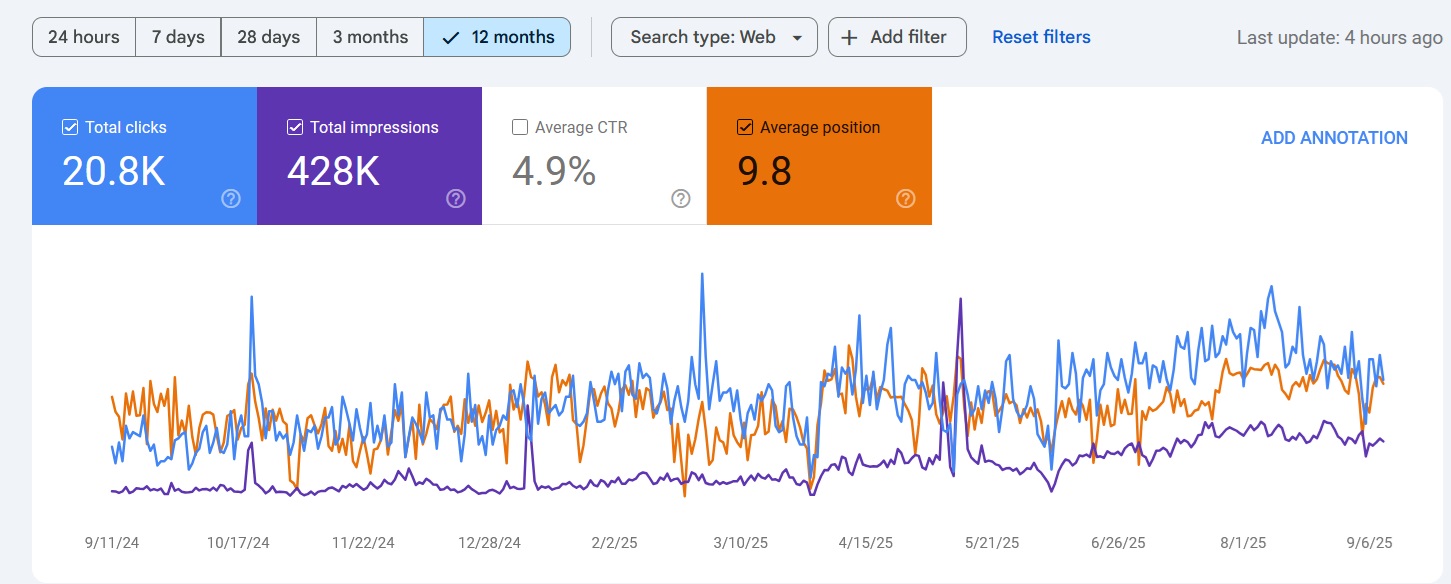
Map Pack Rankings
Ranked in Local Search Within 90 Days
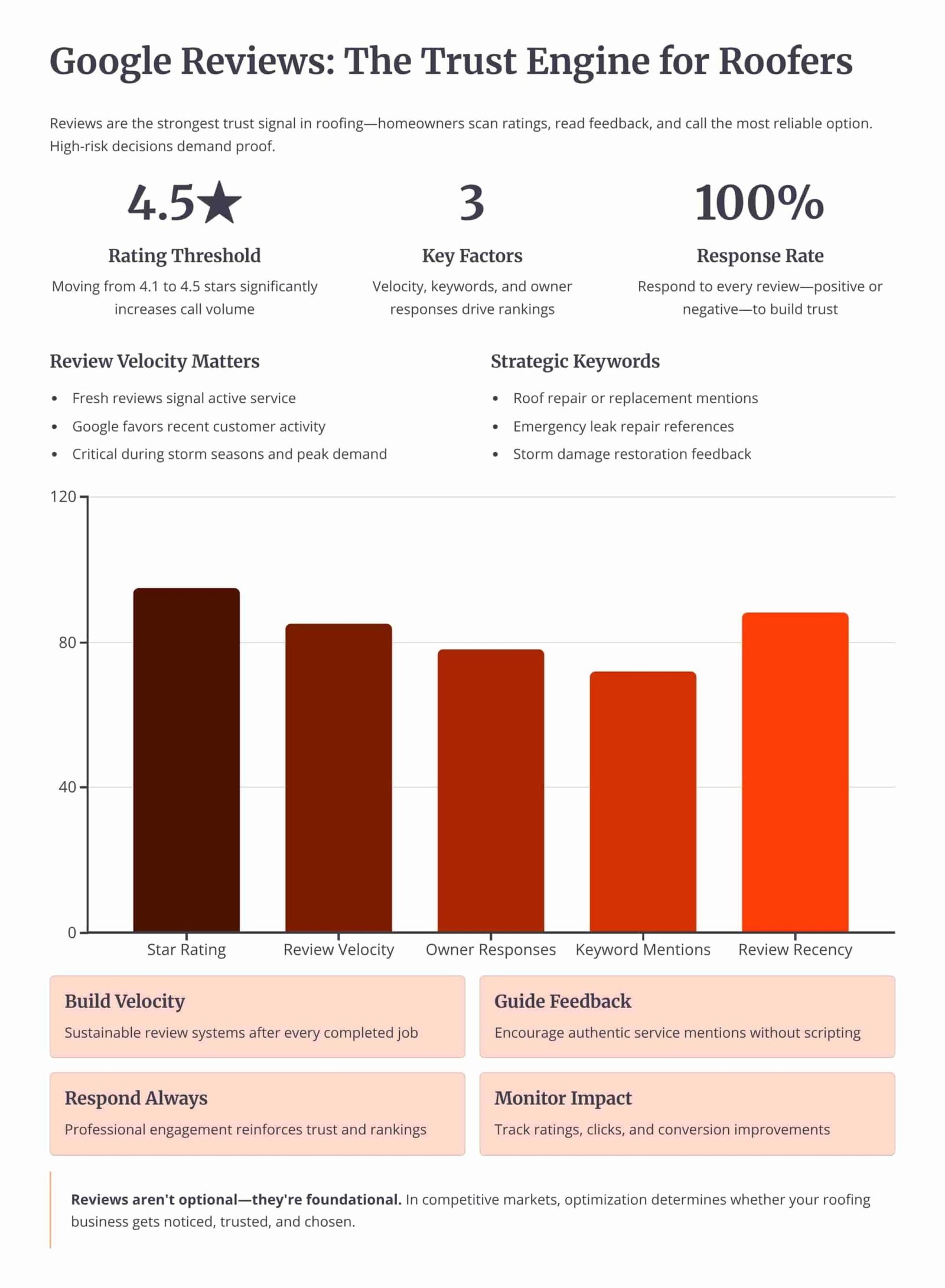
Review Velocity
150+ 5-Star Reviews Generated
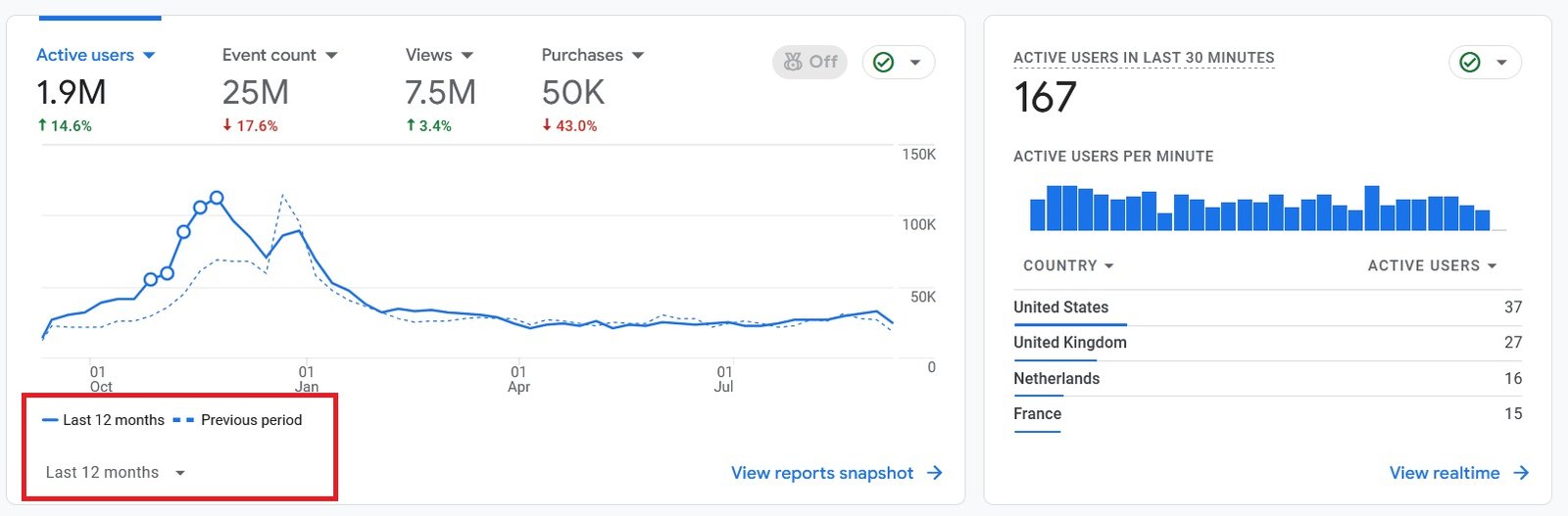
Organic Traffic
300% Increase in Qualified Traffic
What Roofers Say
The 180-Day Roofing SEO Roadmap
See how we optimize the profile, build the website, and earn local-pack rankings over a 6-month engagement.
Month 1: Profile Audit and Setup
- Category and Field Fixes: Setting the primary category, secondary categories, description, services, and service areas.
- NAP Cleanup: Correcting the name, address, and phone number across the profile, the website, and the directory citations.
Month 2: Reviews and Media
- Review System: Setting up a steady request flow and replying to every review, positive and negative.
- Photo and Post Cadence: Uploading job photos from each completed roof and publishing profile posts twice a month.
Month 4: Citations and Site Support
- Citation Building: Adding consistent listings on the directories that feed prominence for a service area.
- Service-Area Pages: Building city pages on the website that reinforce the profile's service areas.
Month 6: Local-Pack Rankings and Leads
- Map-Pack Position: Reaching the top 3 of the local pack for core roofing queries in the served cities.
- Lead Tracking: Measuring calls and direction requests from the profile against the cost of paid leads.
Owning Search Demand vs Renting It From Lead Platforms
If you pay Angi or Google Ads, you are renting visibility. The moment you stop paying, your pipeline dries up. Ranking the profile and the website for high-intent local searches builds permanent digital equity.
Shared Lead Platforms (Angi, HomeAdvisor)
- The Race to the Bottom: Shared leads force you to slash prices to win against 5 other roofers.
- Low Intent: Half the time they aren't ready to buy, they were just clicking around online.
Local Search SEO (Our Approach)
- 100% exclusive, direct-to-you inbound calls.
- Highest closing rate. They chose YOU from the local pack.
- Compounding ROI. You don't pay per click.
We Identify Search Intent Using Industry-Leading Data Tools




Expertise Built on Data.
Not Guesswork.
I'm Nizam Ud Deen, and I don't build generic websites. I build search intent engines specifically for the roofing industry.
For years, I've watched roofers burn money on agencies that brag about "traffic" while the phones stay silent. Traffic without intent is worthless. My system maps exactly how homeowners search during storms, when comparing prices, and when they're ready to buy, and intercepts them at every stage.
The No-Brainer Roofing SEO Guarantee
We don't guarantee "traffic" or "rankings." We guarantee high-intent leads.
"We guarantee to generate 15 exclusive, inbound replacement or repair leads per month within the first 180 days, driven entirely by high-intent organic search. If we don't hit that metric, we work for free until we do."
Measuring Success: Leads and Revenue
We don't report on vanity metrics. If traffic goes up but revenue stays flat, the strategy failed. We track the pipeline.
Call Tracking
Every keyword mapped to the exact phone call it generated.
Form Fills
Tracking estimate requests from high-intent local landing pages.
Booked Jobs
Connecting CRM data to SEO efforts to prove actual revenue return.
Cost per Lead
Monitoring organic CPL to ensure it beats shared platform costs.
The Commercial Roofing Content Checklist
Run each commercial roofing page through this checklist to confirm it earns the bid request from a property manager in search.
Frequently Asked Questions
Clear answers about commercial roofing services and how to rank for them.
What are commercial roofing services?
How is commercial roofing different from residential?
What is the most common commercial roof system?
How long does a TPO roof last?
When should a commercial roof be replaced instead of repaired?
How often should a commercial roof be inspected?
What is ponding water on a commercial roof?
When does a roof coating make sense?
What warranties cover a commercial roof?
How do I rank my roofing site for commercial work?
Should commercial and residential pages be separate?
What is a maintenance program worth on a commercial roof?
Do commercial roofs need permits and code compliance?
What keeps a commercial roofing page from ranking?
Get Your Free Commercial Roofing SEO Audit
We'll review how your site presents commercial roofing work and compare it to your top 3 local competitors to show where the page loses the bid request.
What You Get:
- System Coverage ReviewA check of whether TPO, EPDM, PVC, and metal each have a dedicated page.
- Cluster Gap ScanA list of commercial topics that are missing or buried on the site.
More Deliverables
- Intent Match CheckWhether the page speaks to a property manager or defaults to homeowner copy.
- Content Plan SamplesDrafted outlines for your highest-value commercial roofing topics.
Claim your free commercial roofing SEO audit today. No commitment required.