
Metal Roofing
Metal roofing is a roof system built from metal panels or shingles, in steel, aluminum, copper, or zinc, that lasts 40 to 70 years and carries a Class A fire rating. This guide frames what the buyer searches for and how a roofing company ranks for and sells the work.
Free Metal Roofing Page Audit
Most roofing sites have one thin metal roofing page that ranks for nothing. Get a free audit with a competitor comparison and a content plan that targets the queries metal-roof buyers actually type.
What Is Metal Roofing?
Metal roofing is a roof system made of metal panels or metal shingles fastened over a prepared deck and underlayment. It spans budget exposed-fastener panels through premium standing seam and copper.
A Long-Life System
A metal roof lasts 40 to 70 years, against 15 to 25 years for asphalt shingles, so the buyer often installs it once for the life of the home.
Several Forms
The category covers standing seam, exposed-fastener panels, metal shingles, and stone-coated steel, each with a different look, cost, and install method.
A Distinct Search Query
Buyers search "metal roofing" separately from asphalt shingles, so the topic earns its own page in the materials hub.
What Are the Main Metal Roofing Systems?
The market splits into four systems: standing seam, exposed fastener, metal shingles, and stone-coated steel. Each one fits a different budget and a different buyer.
Standing Seam and Exposed Fastener
- Standing seam hides its fasteners under raised vertical seams and runs about 8 to 14 dollars per square foot installed.
- Exposed-fastener panels show screws and washers and run about 4 to 8 dollars per square foot installed.
- Standing seam suits modern homes and heavy rain or snow; see the standing seam guide.
Metal Shingles and Stone-Coated Steel
- Metal shingles and stone-coated steel run about 7 to 12 dollars per square foot installed.
- They mimic slate, tile, wood shake, or dimensional asphalt for HOA and historic-district rules.
- Stone coating dampens sound and resists slip; loose granules can shed without harming the metal.
Which Metals Are Used and How Do They Differ?
Four metals carry the market: steel, aluminum, copper, and zinc. Steel is the most common and the most affordable; copper and zinc sit at the premium end.
Steel and Aluminum
Steel uses Galvalume, an aluminum-zinc coating stronger than plain galvanized, in 26 to 29 gauge. Aluminum costs about 20 to 30 percent more and resists salt-air corrosion.
Copper and Zinc
Copper runs about 15 to 25 dollars per square foot and can last 100 years with a developing patina. Zinc sits between aluminum and copper and self-heals minor scratches into its patina.
Gauge Drives Dent Resistance
A lower gauge number means thicker, stronger metal. In hail-prone areas a 26 gauge or thicker steel resists denting better than softer aluminum.
Turn Metal Roof Searches Into Estimates
A homeowner pricing a metal roof reads several listings before booking an estimate. We build the metal roofing content and the local pages so the call lands on your company instead of a competitor.
Call Now For PricingOr call +1 272-207-3231
How Long Does a Metal Roof Last?
A metal roof lasts 40 to 70 years depending on the metal and the climate. Steel runs 40 to 60 years, aluminum 50 to 70, and copper or zinc can pass 100 years.
Lifespan by Material
- Steel: 40 to 60 years with a Galvalume coating.
- Aluminum: 50 to 70 years, with no rust risk.
- Copper and zinc: 100 years or more in many cases.
- Standing seam in a moderate climate often passes 50 years with little upkeep.
One Install vs Repeat Replacement
Asphalt shingles need replacement every 15 to 25 years, so a single metal roof can outlast two or three asphalt roofs. That long-life angle is the value point most metal-roof buyers search for.
How Much Does a Metal Roof Cost?
Installed cost runs about 4 to 25 dollars per square foot, set by the system and the metal. Roof complexity and tear-off add to that base.
What Drives the Price Up
- System: exposed fastener at 4 to 8 dollars, standing seam at 8 to 14, copper at 15 to 25 per square foot.
- Material: steel is lowest, aluminum adds 20 to 30 percent, copper and zinc sit highest.
- Complexity: valleys, dormers, and skylights raise labor and waste.
- Tear-off: removing the old roof adds about 1 to 3 dollars per square foot.
The Long-Term Math
A metal roof costs more upfront but replaces two or three asphalt roofs over its life. Reflective coatings cut cooling cost 10 to 25 percent in hot climates, and exposed-fastener upkeep runs about 500 to 1,500 dollars every 10 to 15 years.
What Are the Pros and Cons of Metal Roofing?
Metal roofing trades a higher upfront cost for long life, fire and wind resistance, and energy savings. The trade-offs are price, dent risk on softer metals, and snow shedding.
The Strengths Buyers Search For
- A 40 to 70 year lifespan against 15 to 25 for asphalt.
- Class A fire rating and non-combustible panels.
- Wind resistance up to 140 mph, with some systems rated beyond 160.
- Reflective finishes that cut cooling cost 10 to 25 percent in hot climates.
The Trade-Offs to Address
- A higher upfront cost than asphalt shingles.
- Softer metals like aluminum and copper dent more easily.
- A smooth surface sheds snow, so snow guards may be required.
- Galvanic corrosion if dissimilar metals contact in moisture.
What Fire, Wind, and Energy Ratings Apply?
Metal carries a Class A fire rating, wind resistance up to 140 mph, and a reflective option that cuts cooling cost. These ratings are the proof points a buyer wants stated plainly.
Fire and Impact
Metal is non-combustible and earns the Class A fire rating. Many systems also reach Class 4 impact resistance, which can lower insurance in fire and hail zones.
Wind Uplift
A properly installed metal roof withstands winds up to 140 mph, and some systems are rated beyond 160 mph for hurricane-force conditions.
Cool Roof Energy
Reflective coatings and light colors lower roof surface temperature by 50 to 60 degrees versus dark asphalt, cutting cooling cost 10 to 25 percent in hot climates.
Organic Clicks Cost Less Than Paid Ones
A click earned from a strong organic listing costs nothing per visit, against 50 to 150 dollars for paid roofing leads. Rank the metal roofing page and keep the click instead of buying it.
Call Now For PricingOr call +1 272-207-3231
What Maintenance and Common Problems Should Buyers Know?
Metal roofs need little routine work, but a few known issues recur: oil canning, fastener backout, and galvanic corrosion. Naming these on the page builds buyer trust.
Routine Upkeep
- Standing seam needs little beyond periodic inspections and gutter cleaning.
- Exposed-fastener panels need a fastener check every 10 to 15 years.
- Check sealant at penetrations each year and reseal as needed.
- Factory finishes last 30 to 50 years; recoating adds another 15 to 20.
Known Issues to Explain
- Oil canning: visible waviness in flat panels that is cosmetic, not structural.
- Fastener backout: washers degrade over time on exposed systems.
- Galvanic corrosion: dissimilar metals touching in moisture.
- Snow sliding: a smooth surface can shed snow, so snow guards may apply.
When Is Metal Roofing the Right Choice?
Metal fits long-term owners and properties in high-wind, hail, wildfire, coastal, or cold-snow areas. The right metal changes with the climate.
Climate-Driven Choices
- Coastal: aluminum or marine-grade Galvalume; avoid galvanized within 3,000 feet of saltwater.
- Cold and snow: install snow guards and ice-and-water shield 6 feet past exterior walls.
- Hail: use 26 gauge or thicker steel with a ribbed profile to spread impact.
- Hot climates: choose a reflective finish for the cooling savings.
Best-Fit Buyers
Metal suits owners who plan to stay long term, want top curb appeal and resale value, or own property in storm-prone areas. For the storm and weather angle, see storm damage roofing.
How Do You Rank a Metal Roofing Page?
Rank the page by answering the buyer's full set of questions on one URL: systems, metals, lifespan, cost, and ratings. Then connect it to the local and on-page work.
Cover the Buyer's Questions
- State cost ranges by system and metal in plain numbers.
- Name the lifespan, fire rating, and wind rating directly.
- Address the known issues a buyer reads about elsewhere.
- Pair the page with the on-page method at on-page SEO for roofers.
Connect It to Local Demand
Link the metal roofing guide to city pages so "metal roofing in [city]" searches reach a local match. The local-pack method lives in local SEO for roofers.
Proof of Performance
Results from roofing campaigns that rank in local search.
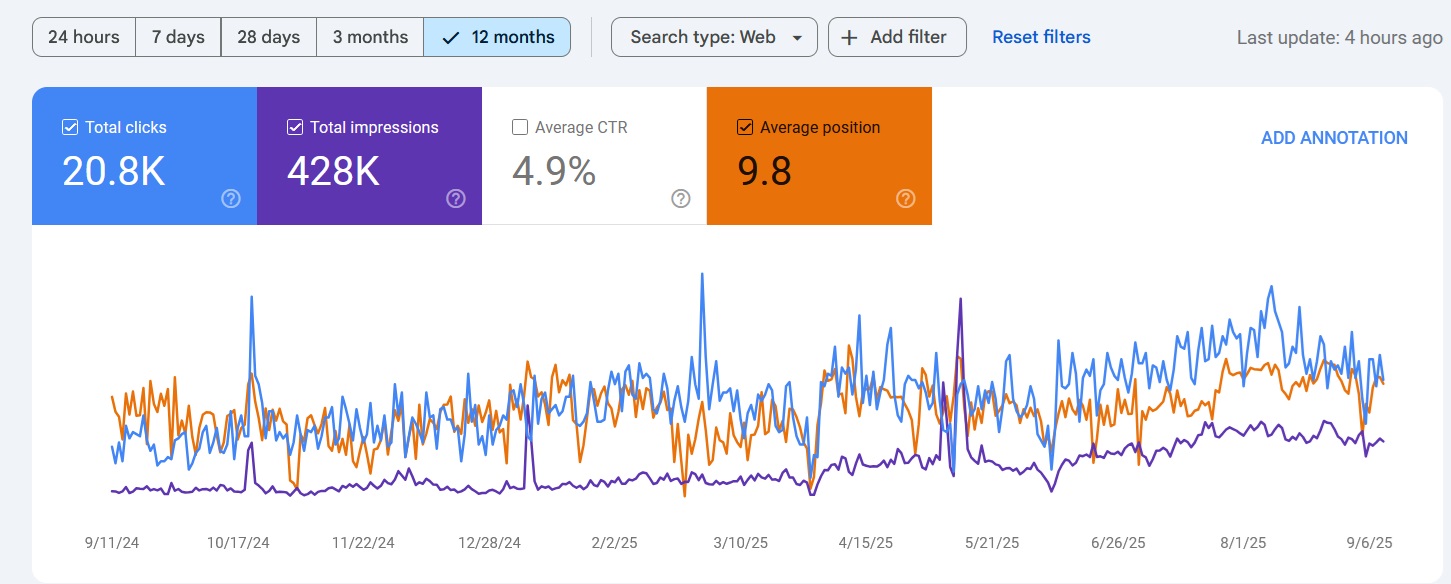
Map Pack Rankings
Ranked in Local Search Within 90 Days
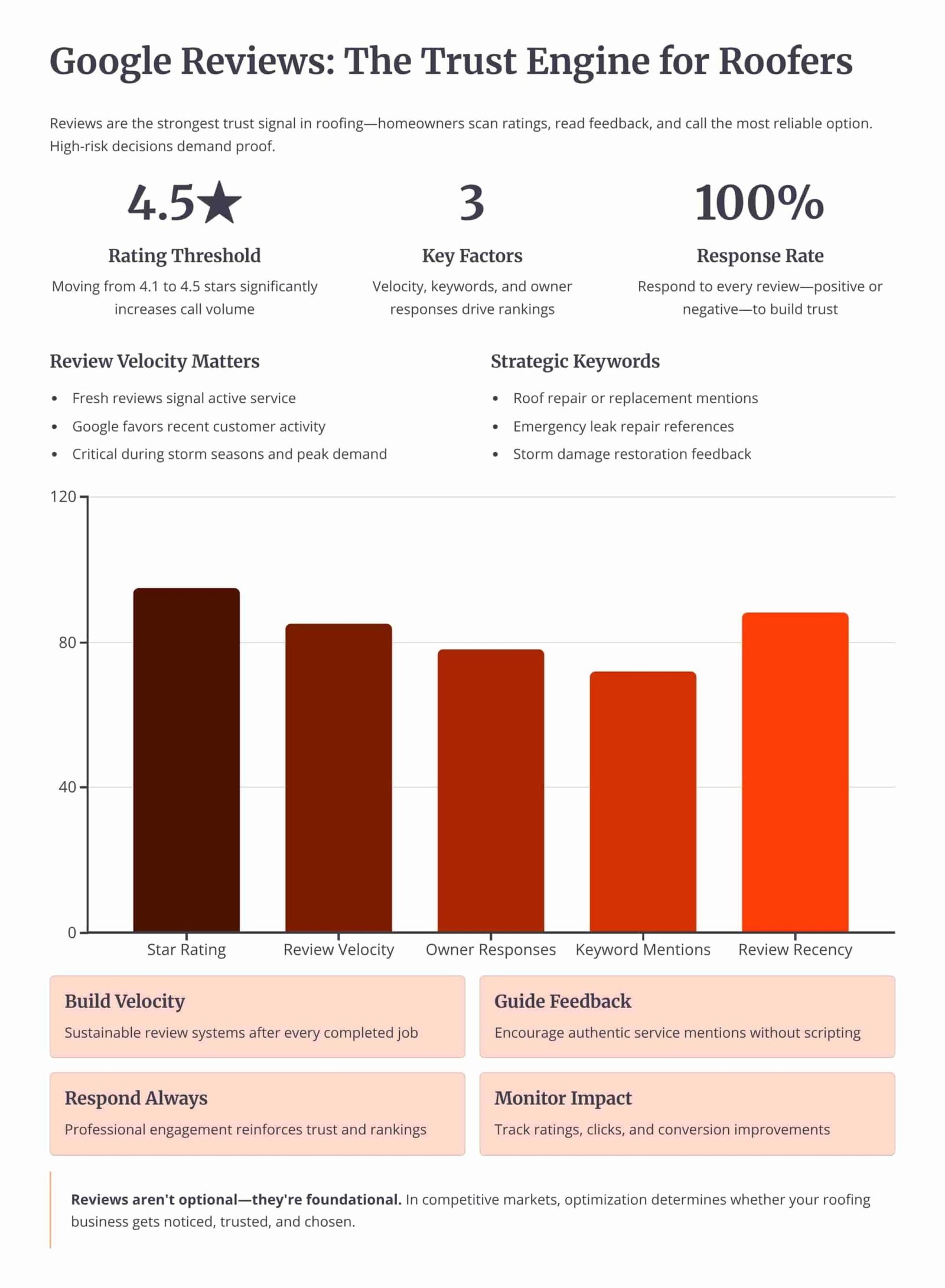
Review Velocity
150+ 5-Star Reviews Generated
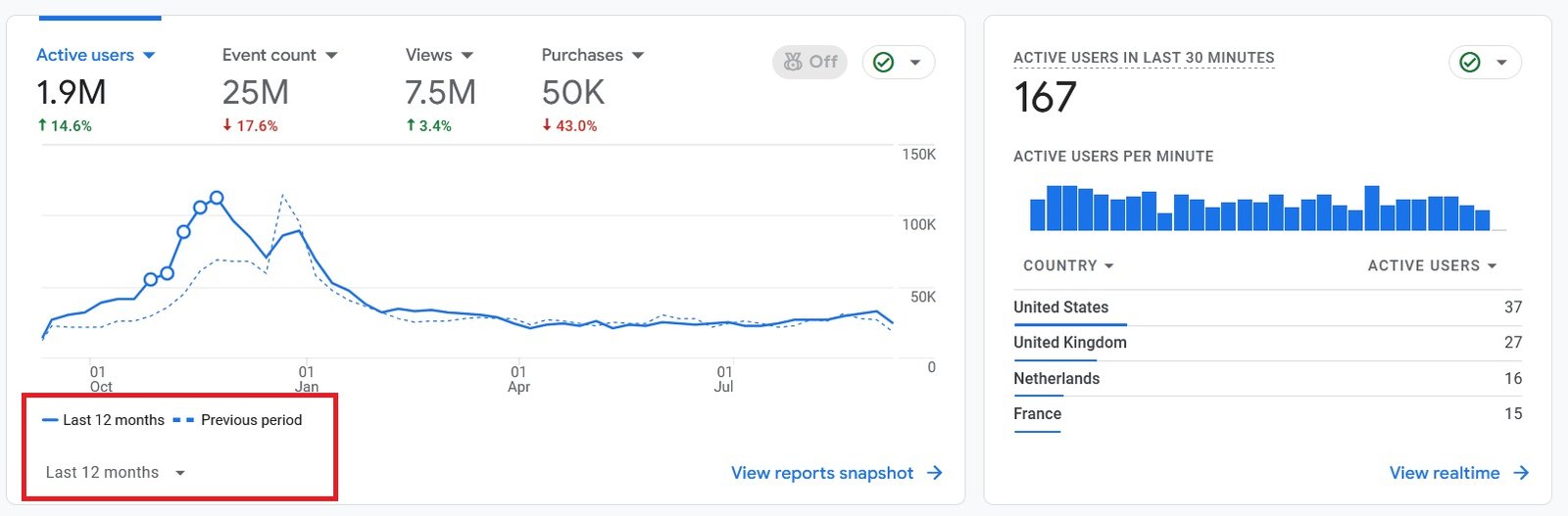
Organic Traffic
300% Increase in Qualified Traffic
What Roofers Say
The 180-Day Roofing SEO Roadmap
See how we optimize the profile, build the website, and earn local-pack rankings over a 6-month engagement.
Month 1: Profile Audit and Setup
- Category and Field Fixes: Setting the primary category, secondary categories, description, services, and service areas.
- NAP Cleanup: Correcting the name, address, and phone number across the profile, the website, and the directory citations.
Month 2: Reviews and Media
- Review System: Setting up a steady request flow and replying to every review, positive and negative.
- Photo and Post Cadence: Uploading job photos from each completed roof and publishing profile posts twice a month.
Month 4: Citations and Site Support
- Citation Building: Adding consistent listings on the directories that feed prominence for a service area.
- Service-Area Pages: Building city pages on the website that reinforce the profile's service areas.
Month 6: Local-Pack Rankings and Leads
- Map-Pack Position: Reaching the top 3 of the local pack for core roofing queries in the served cities.
- Lead Tracking: Measuring calls and direction requests from the profile against the cost of paid leads.
Owning Search Demand vs Renting It From Lead Platforms
If you pay Angi or Google Ads, you are renting visibility. The moment you stop paying, your pipeline dries up. Ranking the profile and the website for high-intent local searches builds permanent digital equity.
Shared Lead Platforms (Angi, HomeAdvisor)
- The Race to the Bottom: Shared leads force you to slash prices to win against 5 other roofers.
- Low Intent: Half the time they aren't ready to buy, they were just clicking around online.
Local Search SEO (Our Approach)
- 100% exclusive, direct-to-you inbound calls.
- Highest closing rate. They chose YOU from the local pack.
- Compounding ROI. You don't pay per click.
We Identify Search Intent Using Industry-Leading Data Tools




Expertise Built on Data.
Not Guesswork.
I'm Nizam Ud Deen, and I don't build generic websites. I build search intent engines specifically for the roofing industry.
For years, I've watched roofers burn money on agencies that brag about "traffic" while the phones stay silent. Traffic without intent is worthless. My system maps exactly how homeowners search during storms, when comparing prices, and when they're ready to buy, and intercepts them at every stage.
The No-Brainer Roofing SEO Guarantee
We don't guarantee "traffic" or "rankings." We guarantee high-intent leads.
"We guarantee to generate 15 exclusive, inbound replacement or repair leads per month within the first 180 days, driven entirely by high-intent organic search. If we don't hit that metric, we work for free until we do."
Measuring Success: Leads and Revenue
We don't report on vanity metrics. If traffic goes up but revenue stays flat, the strategy failed. We track the pipeline.
Call Tracking
Every keyword mapped to the exact phone call it generated.
Form Fills
Tracking estimate requests from high-intent local landing pages.
Booked Jobs
Connecting CRM data to SEO efforts to prove actual revenue return.
Cost per Lead
Monitoring organic CPL to ensure it beats shared platform costs.
The Metal Roofing Page Optimization Checklist
Run your metal roofing page through this checklist to confirm it answers the buyer and earns the click in search.
Frequently Asked Questions
Clear answers about metal roofing systems, cost, and lifespan.
What is metal roofing?
How long does a metal roof last?
How much does a metal roof cost?
What is the difference between standing seam and exposed fastener?
Which metal is best for a roof?
Is a metal roof noisy in the rain?
Does a metal roof attract lightning?
What is oil canning on a metal roof?
Does metal roofing rust?
What gauge metal roofing is best for hail?
Can a metal roof go over existing shingles?
Does a metal roof save on energy bills?
What warranty comes with a metal roof?
Do I need a permit to install a metal roof?
Get Your Free Metal Roofing Page Audit
We'll review your metal roofing content and the city pages around it, compare them to your top 3 local competitors, and show where the page loses the click and the call.
What You Get:
- Content Gap ReviewA check of which metal roofing questions your page answers and which it misses.
- Competitor ComparisonHow the top 3 local roofers cover metal roofing against your page.
More Deliverables
- Internal Link MapHow to link the metal roofing page to standing seam, materials, and city pages.
- Outline DraftA section-by-section outline that targets the high-value metal roofing queries.
Claim your free metal roofing page audit today. No commitment required.