
Roofing Warranties
Use the manufacturer, workmanship, and system warranties on every roof as a selling point that closes the bid and a topic that ranks for the homeowner asking what is covered.

Free Roofing Warranty Content Audit
Most roofing sites bury the warranty in a footer line. Get a free audit with a competitor comparison and a content plan that turns warranty coverage into a ranking page and a closing tool.
What Is a Roofing Warranty?
A roofing warranty is a written promise that covers a defect in the roof for a set period, split between the materials the manufacturer makes and the labor the contractor performs.
Manufacturer Warranty
Covers a defect in the materials, such as shingles, underlayment, and flashing. It is often labeled a limited lifetime warranty running 25 to 50 years.
Workmanship Warranty
Covers an installation error from the contractor, such as a leak at a seam or a flashing detail. Terms range from one year to lifetime by company.
System Warranty
Covers a full manufacturer system installed by a certified contractor, and can fold the labor of a repair into the coverage. See roofing materials.
Why Does a Warranty Sell the Roofing Job?
A warranty sells the job because it answers the homeowner's quiet worry about what happens if the roof fails, and a longer term removes the reason to pick the cheaper bid.
It Removes the Price Objection
- A stated decades-long warranty reframes the bid from a cost into protection on the home.
- A workmanship term often serves as the main difference between two competing bids on the same roof.
- Naming the coverage in plain words lowers the barrier to signing the contract.
It Earns Search Traffic
- Homeowners search what a roofing warranty covers before and after they hire a roofer.
- A page that answers the question pulls the researching homeowner toward your company.
- The same content supports the service and material pages it links to. See on-page SEO for roofers.
What Does a Roofing Warranty Cover?
A roofing warranty covers a manufacturing defect and a premature failure under normal weather, not the damage a storm or neglect causes. The split between covered and not covered decides most claims.
Material Defects
A defect in the shingles, underlayment, or other material, plus color fading or granule loss beyond the manufacturer's stated limit.
Installation Leaks
A leak traced to an installation error, where a workmanship warranty is in place. A system warranty can also cover defective flashing or ventilation parts.
Not Covered
Storm, wind, and hail damage fall to insurance, not the warranty. Foot traffic, punctures, and algae growth are also outside most coverage.
Turn Your Warranty Into Signed Contracts
A strong warranty already sits in your bids. We build the page and the messaging that put it in front of homeowners searching for coverage, so the protection you offer becomes the reason they call you.
Call Now For PricingOr call +1 272-207-3231
What Does a Limited Lifetime Warranty Mean?
A limited lifetime warranty means the manufacturer covers a defect for as long as the original owner holds the home, with limits, conditions, and prorated coverage built in. The word limited carries the catch.
Full Then Prorated
A 50-year limited lifetime warranty might pay full replacement for the first 10 years, then reduce the payout as the roof ages. A 25-year-old roof might receive only about half of the coverage.
Read the Word Limited
- Limited signals specific exclusions and conditions, not blanket coverage.
- Prorated coverage shifts more of the cost to the owner each year.
- The headline number is the term, not the amount the manufacturer pays late in life.
What Voids a Roofing Warranty?
A roofing warranty is voided by five recurring actions: poor attic ventilation, skipped inspections, non-approved accessories, third-party repairs, and an unregistered warranty. Each one is avoidable with documentation.
Maintenance and Ventilation
- Inadequate attic ventilation traps heat and moisture and ages the shingles early; most manufacturers require a set ventilation ratio.
- Skipping the annual or periodic inspection many warranties require gives grounds to deny a claim.
- Missing required maintenance, such as gutter cleaning and debris removal, can be read as neglect.
Repairs and Registration
- A repair by a contractor the manufacturer has not approved voids the workmanship coverage.
- Adding a satellite dish, solar panels, or other items without following the guidelines voids the coverage.
- Failing to register within the stated window, usually 60 to 90 days, reduces or ends the coverage.
How Does a Roofing Warranty Get Registered?
A roofing warranty is registered by submitting the install details to the manufacturer within the stated window, usually 60 to 90 days, and keeping the paperwork that proves it. The records decide a future claim.
Register Inside the Window
Most manufacturer warranties require registration within 60 to 90 days of installation. The contractor often files it, but the homeowner should confirm it was done and keep the certificate.
Keep These Records
- The original contract and warranty certificate.
- Proof of the warranty registration with the manufacturer.
- All invoices, payment receipts, and inspection records.
- Photos of the finished installation and any later damage.
Does a Roofing Warranty Transfer to a New Owner?
Many roofing warranties transfer to a new owner, though terms vary: some transfer once and automatically, while others require notice, a fee, and proof of sale. A transferable warranty adds value at resale.
Common Transfer Terms
- Notice to the manufacturer within a set window, often around 60 days of the sale.
- A transfer fee, commonly in the 50 to 300 dollar range.
- Proof of sale and the new owner's details on file.
Value at Resale
A transferable warranty reduces a buyer's worry about a near-term replacement cost, which can support the sale price. Naming it in a listing turns the roof into a documented asset.
Organic Leads Cost Less Than Paid Ones
A homeowner researching warranty coverage who finds your page costs nothing per visit, against 50 to 150 dollars for shared roofing leads. Publish the answer and capture the searcher instead of buying the lead.
Call Now For PricingOr call +1 272-207-3231
Warranty Coverage Versus Insurance
A warranty and an insurance policy cover different failures: the warranty handles a defect under normal weather, while insurance handles sudden, accidental storm damage. Knowing the line stops a wrong claim.
The Warranty Path
A warranty covers a manufacturing defect or a premature failure under normal weather. The claim goes to the manufacturer or the installing contractor, not the insurer.
The Insurance Path
Insurance covers sudden, accidental damage from wind, hail, a falling tree, or fire. A storm-damaged roof is an insurance matter. See insurance restoration.
Why Do Warranty Claims Get Denied?
Warranty claims get denied because the failure traces to neglect or missing paperwork rather than a defect, and the burden of proof sits with the homeowner. The source content groups the reasons into four buckets.
The Reported Denial Reasons
- Inadequate maintenance, the largest reported share at about 37 percent in the source data.
- Missing documentation at about 28 percent.
- Improper ventilation at about 19 percent.
- Unauthorized repairs at about 16 percent.
How a Roofer Protects the Claim
Each denial reason is preventable. Confirm the registration, schedule the inspections, keep the records, and route every repair through an approved contractor so the coverage holds when it is needed.
What Should a Homeowner Ask Before Signing?
A homeowner should ask for written answers on coverage length, transfer terms, registration duties, included parts, and the full list of voiding conditions before signing the contract. The questions also script your sales conversation.
Coverage and Terms
- How long are the materials and the labor covered, stated separately?
- Is the warranty transferable, and what fee or notice applies?
- Does the coverage include the flashing, the vents, and the underlayment?
Service and Conditions
- Who registers the warranty, and by what deadline?
- Are repairs handled in-house or subcontracted, and how fast on an emergency leak?
- What are the maintenance obligations and the full list of voiding conditions?
How Should a Roofer Present the Warranty?
A roofer should present the warranty as a documented promise on its own page and in the bid, with the materials term and the labor term named in plain words. Clear coverage reads as trust; vague coverage reads as risk.
On the Page
- Build a dedicated warranty page that states what is covered and for how long.
- Separate the manufacturer term from your workmanship term so neither is misread.
- Link it from each service and material page so the trust signal follows the buyer.
In the Bid
A certified-installer status and a longer labor term separate your bid from a low one. Naming the protection in writing positions the company as transparent. See roof installation.
Proof of Performance
Results from roofing campaigns that rank in local search.
Map Pack Rankings
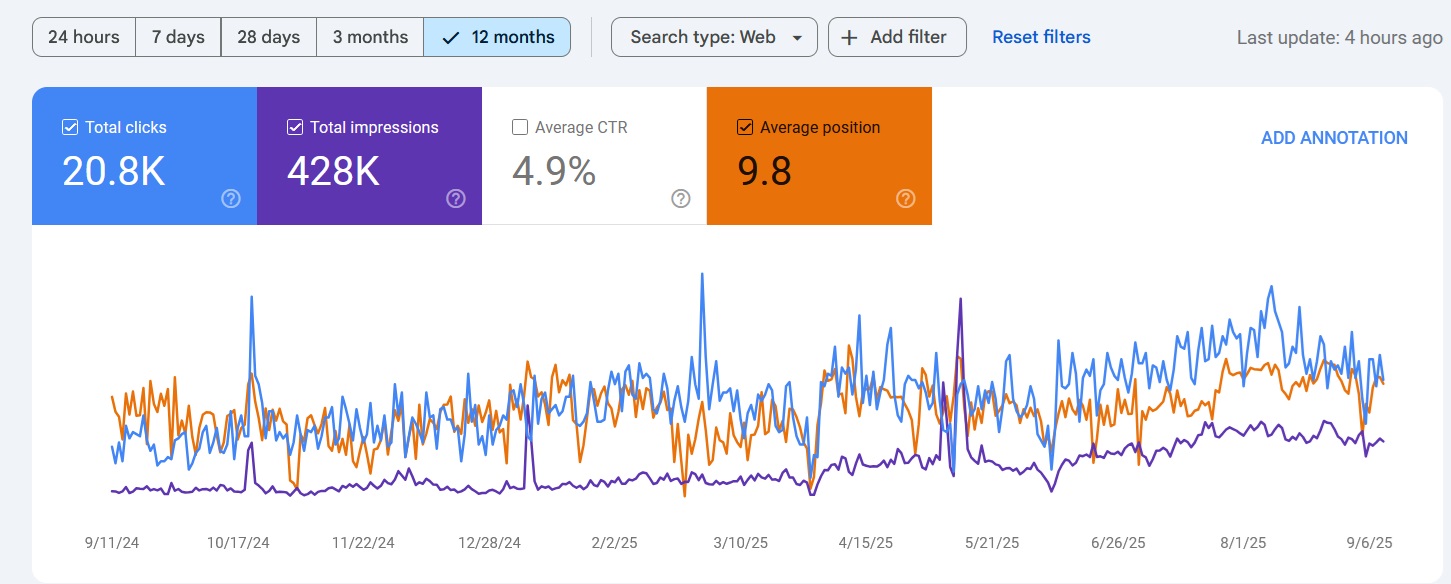
Ranked in Local Search Within 90 Days
Review Velocity
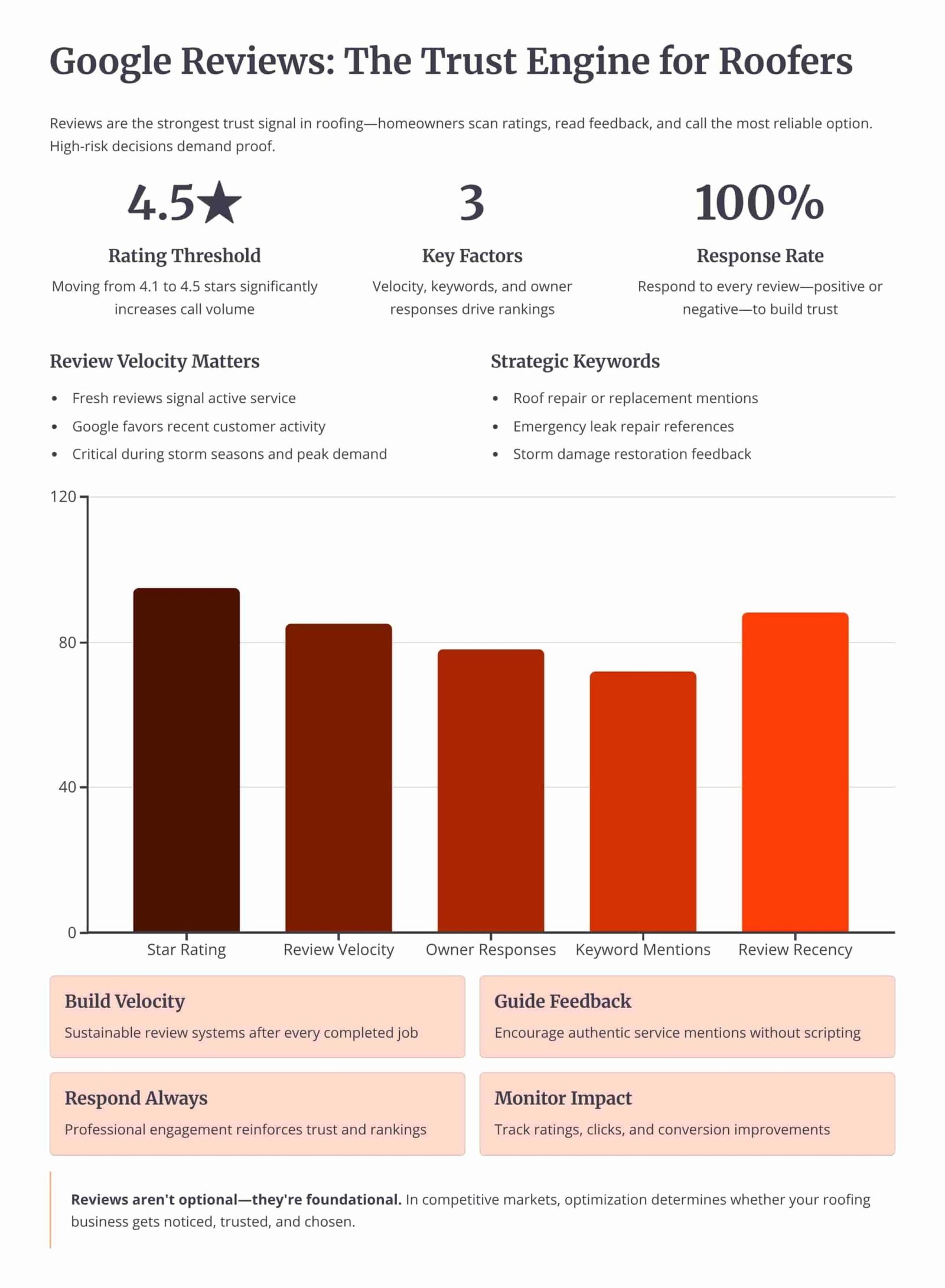
150+ 5-Star Reviews Generated
Organic Traffic
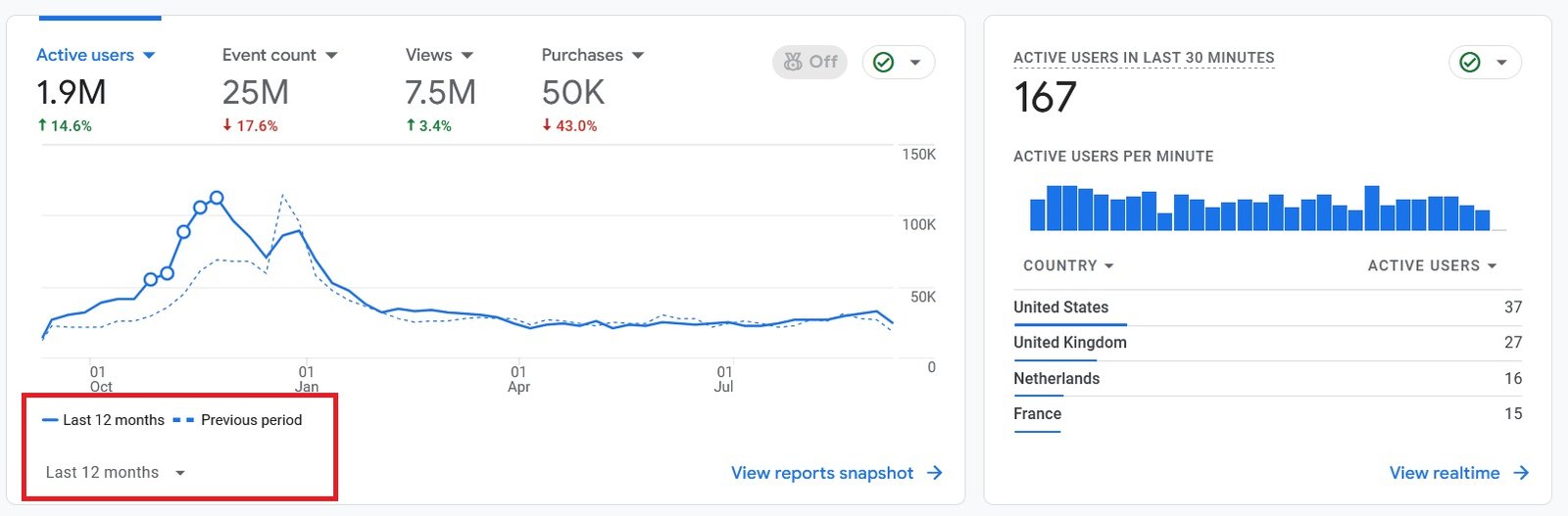
300% Increase in Qualified Traffic
What Roofers Say
The 180-Day Roofing SEO Roadmap
See how we optimize the profile, build the website, and earn local-pack rankings over a 6-month engagement.
Month 1: Profile Audit and Setup
- Category and Field Fixes: Setting the primary category, secondary categories, description, services, and service areas.
- NAP Cleanup: Correcting the name, address, and phone number across the profile, the website, and the directory citations.
Month 2: Reviews and Media
- Review System: Setting up a steady request flow and replying to every review, positive and negative.
- Photo and Post Cadence: Uploading job photos from each completed roof and publishing profile posts twice a month.
Month 4: Citations and Site Support
- Citation Building: Adding consistent listings on the directories that feed prominence for a service area.
- Service-Area Pages: Building city pages on the website that reinforce the profile's service areas.
Month 6: Local-Pack Rankings and Leads
- Map-Pack Position: Reaching the top 3 of the local pack for core roofing queries in the served cities.
- Lead Tracking: Measuring calls and direction requests from the profile against the cost of paid leads.
Owning Search Demand vs Renting It From Lead Platforms
If you pay Angi or Google Ads, you are renting visibility. The moment you stop paying, your pipeline dries up. Ranking the profile and the website for high-intent local searches builds permanent digital equity.
Shared Lead Platforms (Angi, HomeAdvisor)
- The Race to the Bottom: Shared leads force you to slash prices to win against 5 other roofers.
- Low Intent: Half the time they aren't ready to buy, they were just clicking around online.
Local Search SEO (Our Approach)
- 100% exclusive, direct-to-you inbound calls.
- Highest closing rate. They chose YOU from the local pack.
- Compounding ROI. You don't pay per click.
We Identify Search Intent Using Industry-Leading Data Tools




Expertise Built on Data.
Not Guesswork.
I'm Nizam Ud Deen, and I don't build generic websites. I build search intent engines specifically for the roofing industry.
For years, I've watched roofers burn money on agencies that brag about "traffic" while the phones stay silent. Traffic without intent is worthless. My system maps exactly how homeowners search during storms, when comparing prices, and when they're ready to buy, and intercepts them at every stage.
The No-Brainer Roofing SEO Guarantee
We don't guarantee "traffic" or "rankings." We guarantee high-intent leads.
"We guarantee to generate 15 exclusive, inbound replacement or repair leads per month within the first 180 days, driven entirely by high-intent organic search. If we don't hit that metric, we work for free until we do."
Measuring Success: Leads and Revenue
We don't report on vanity metrics. If traffic goes up but revenue stays flat, the strategy failed. We track the pipeline.
Call Tracking
Every keyword mapped to the exact phone call it generated.
Form Fills
Tracking estimate requests from high-intent local landing pages.
Booked Jobs
Connecting CRM data to SEO efforts to prove actual revenue return.
Cost per Lead
Monitoring organic CPL to ensure it beats shared platform costs.
The Roofing Warranty Page Checklist
Run your warranty page and your bids through this checklist to confirm the coverage ranks for the homeowner and closes the job.
Frequently Asked Questions
Clear answers about roofing warranties for homeowners and roofing companies.
What is a roofing warranty?
What is the difference between a manufacturer and a workmanship warranty?
How long does a roofing warranty last?
What does a roofing warranty cover?
What does a limited lifetime warranty mean?
What does prorated coverage mean?
What voids a roofing warranty?
Do I need to register a roofing warranty?
Does a roofing warranty transfer to a new owner?
Does a roofing warranty cover storm damage?
Why do roofing warranty claims get denied?
What is a system or enhanced warranty?
How can a roofer use a warranty to win bids?
Should a roofing site have a dedicated warranty page?
Get Your Free Roofing Warranty Content Audit
We'll review how your site presents the warranty and compare it to your top 3 local competitors to show where the coverage fails to rank or to close the bid.
What You Get:
- Warranty Page ReviewA check of how the coverage, terms, and call to action read on each key page.
- Coverage Gap CheckWhich warranty questions homeowners search that your site does not yet answer.
- Content PlanA drafted outline that turns your warranty into a ranking page and a closing tool.
Where This Fits:
- The Roofing Industry HubThis guide sits in the roofing industry library alongside services and materials.
- The On-Page SEO MethodThe same ranking approach we apply across on-page SEO for roofers.
Claim your free roofing warranty content audit today. No commitment required.