
Modified Bitumen Roofing for Roofers
Modified bitumen is an asphalt-based, multi-ply membrane for low-slope roofs, and the queries it generates are how a roofing company wins flat-roof work in search.

Free Flat-Roof Page Audit
Most roofing sites lump every flat-roof system onto one thin page. Get a free audit with a competitor comparison and a plan to rank a dedicated modified bitumen page.
What Is Modified Bitumen Roofing?
Modified bitumen is an asphalt-based roofing membrane reinforced with polymers and a fabric mat, installed in plies on low-slope and flat roofs. The asphalt is modified with SBS rubber or APP plastic to add flexibility and weather resistance.
The Asphalt Base
The membrane starts as asphalt, the same waterproofing material used in built-up roofs, then receives polymer modifiers and a reinforcing mat.
SBS or APP
SBS adds rubber-like flexibility for cold climates; APP adds plastic-like heat and UV tolerance for hot, sunny climates. The choice drives the install method.
A Multi-Ply System
A base sheet over the deck or insulation carries a granule-surfaced cap sheet on top, so two layers of waterproofing protect the roof.
Why Does Modified Bitumen Matter to a Roofing Business?
Modified bitumen matters because flat-roof homeowners and property managers search by system name, and a dedicated page intercepts that intent. A buyer comparing mod-bit to TPO or EPDM is close to hiring.
Mod-Bit Searches Signal Intent
- A search like "modified bitumen roof cost" comes from an owner pricing a real flat-roof job.
- Naming the system on its own page tells search engines the page answers that exact query.
- A single page covering every flat-roof system competes for none of them well.
It Anchors a Material Cluster
- A mod-bit page links naturally to the other flat-roof systems a contractor installs.
- That internal mesh builds topical authority across the material set.
- The on-page method that ranks this page applies to every material guide. See on-page SEO for roofers.
What Are the Modified Bitumen Installation Methods?
Modified bitumen is applied in three main ways: torch-down, cold-applied adhesive, and self-adhered. The method follows the polymer type, the building, and the local fire rules.
Torch-Down
A propane torch melts an APP membrane to bond it into one sheet. It needs a trained crew and strict fire safety, and some jurisdictions require a permit.
Cold-Applied
An SBS membrane is set in adhesive with no open flame, which suits occupied buildings and sites that restrict torch work.
Self-Adhered
A peel-and-stick membrane carries factory adhesive under a release film. It installs fastest with no flame, but the substrate must be clean and dry.
Turn Flat-Roof Searches Into Calls
An owner searching modified bitumen wants a contractor who knows the system. We build and rank the page that puts your company in front of that search.
Call Now For PricingOr call +1 272-207-3231
SBS vs APP: Which Modified Bitumen?
The two membrane families split by polymer: SBS behaves like rubber, APP behaves like plastic. Climate and install method usually decide which one a roof gets.
SBS for Cold and Movement
- Rubber polymers stay flexible below freezing and absorb freeze-thaw movement.
- It installs by torch, cold adhesive, or self-adhered, so it fits more sites.
- It suits buildings that flex or sit in a cold climate.
APP for Heat and Sun
- Plastic polymers give strong UV resistance and heat tolerance.
- It is typically torch-applied and performs well in hot, sunny regions.
- White or reflective granules can lower the surface temperature.
How Much Does Modified Bitumen Roofing Cost?
A complete modified bitumen system commonly runs about 4.50 to 8.50 dollars per square foot, including tear-off, insulation, and a two-ply membrane. Membrane grade, insulation thickness, and complexity move the figure.
What Drives the Price
- Membrane quality, since a premium polyester-reinforced sheet costs more than a budget one.
- Insulation thickness and the energy target for the building.
- Project complexity, including penetrations, transitions, and access.
- Regional labor and material conditions.
A Recover Can Cut Cost
Installing over an existing roof with a cover board can reduce tear-off cost by roughly 20 to 40 percent and limit disruption. It cannot fix deck damage and adds weight, so it suits sound substrates only.
How Long Does Modified Bitumen Last?
A well-installed and maintained modified bitumen roof commonly delivers about 20 to 30 years of service. Premium polyester-reinforced systems can exceed 30 years, while budget systems may need replacement near 15.
Reinforcement Shapes Lifespan
- Polyester mats add tensile strength, elongation, and puncture resistance.
- Fiberglass mats add dimensional stability and fire resistance.
- The mat choice helps separate a 15-year roof from a 30-year roof.
Install Quality Decides the Rest
Performance leans heavily on the crew. Every seam and lap must seal correctly, since most field problems trace back to seam, lap, and flashing work rather than the membrane itself.
What Are the Pros and Cons of Modified Bitumen?
The system trades multi-ply redundancy and toughness against added weight and a reliance on crew skill. Knowing both sides lets a contractor set honest expectations.
The Advantages
- Multi-ply redundancy keeps the roof watertight if the cap sheet is damaged.
- Puncture resistance holds up to foot traffic and rooftop equipment.
- Localized patches can repair it without a full replacement.
- Decades of field performance across many climates.
The Trade-Offs
- Multi-ply systems weigh more than single-ply alternatives.
- Performance depends on contractor skill at the seams.
- Torch-down requires fire protocols and trained crews.
- Granules shed and the surface oxidizes as the roof ages.
Organic Clicks Cost Less Than Paid Ones
A flat-roof lead earned from organic search costs nothing per visit, against 50 to 150 dollars for paid roofing leads. Rank the modified bitumen page and keep the lead instead of buying it.
Call Now For PricingOr call +1 272-207-3231
Where Is Modified Bitumen Used?
Modified bitumen suits low-slope and flat roofs on commercial, industrial, and multi-family buildings, plus residential additions, porches, and garages. Anywhere a steep-slope shingle will not shed water, mod-bit is a candidate.
Commercial and Industrial
Low-slope decks on stores, warehouses, and industrial buildings take foot traffic and equipment, where the membrane's toughness pays off.
Multi-Family
Apartment and condo roofs use mod-bit for its redundancy and its ability to be installed without flame on occupied buildings.
Residential Flat Sections
Additions, porches, and garages with flat decks use a self-adhered or cold-applied sheet where a sloped roof meets a flat tie-in. See the flat roofing systems hub.
How Does Modified Bitumen Compare to TPO and EPDM?
Against the common single-ply systems, modified bitumen leads on redundancy and puncture resistance while giving up weight and reflectivity. The buyer often searches these head-to-head.
vs TPO
Modified bitumen wins on puncture resistance and foot-traffic durability. TPO is lighter and reflective, which can lower cooling costs on a hot roof.
vs EPDM
Modified bitumen adds a redundant ply. EPDM installs economically and stays flexible in cold weather, so the choice turns on toughness versus cost.
How Is a Modified Bitumen Roof Maintained?
The roof needs routine inspection of seams, flashing, and drains, with a professional check about twice a year. Most failures are preventable and most repairs are localized patches.
Routine Tasks
- Clear drains and remove vegetation so water does not pond.
- Inspect seams, laps, and flashing at penetrations.
- Check for damage after storms and monitor granule loss.
- Confirm rooftop equipment supports are intact.
Common Failure Points
Watch for seam separation, flashing failures, blistering from trapped moisture, ponding from inadequate slope, and punctures from traffic or dropped tools. A maintenance page can rank for each of these queries.
What Warranty and Code Issues Apply?
Coverage and compliance split in two: manufacturer material warranties commonly run 10 to 20 years, and the system must meet fire and wind-uplift ratings. Both belong on the page and in the sales conversation.
Warranty Coverage
- Material warranties commonly span 10 to 20 years by product grade.
- Contractor workmanship warranties typically run 1 to 10 years.
- Spell out what each covers so the owner is not surprised later. See roofing warranties.
Code and Ratings
- A Class A fire rating is typically required for the assembly.
- Wind-uplift ratings depend on building height and location.
- Class 4 is the highest hail impact rating; torch work may need a permit. See building codes.
Proof of Performance
Results from roofing campaigns that rank in local search.
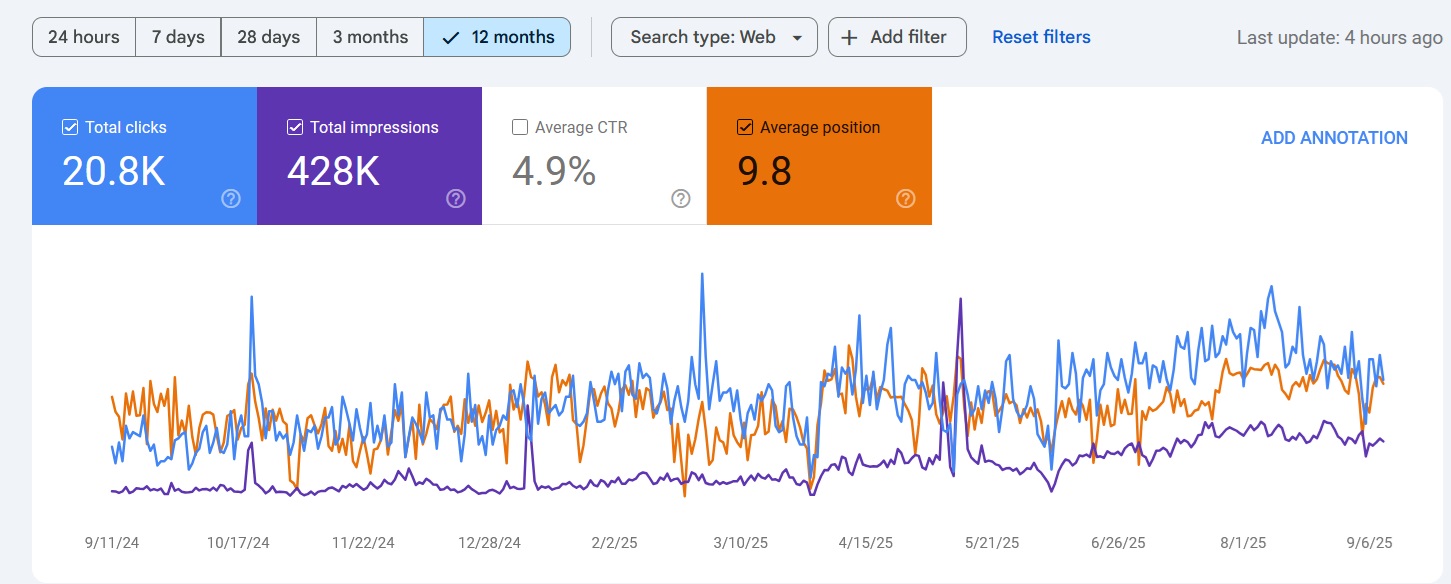
Map Pack Rankings
Ranked in Local Search Within 90 Days
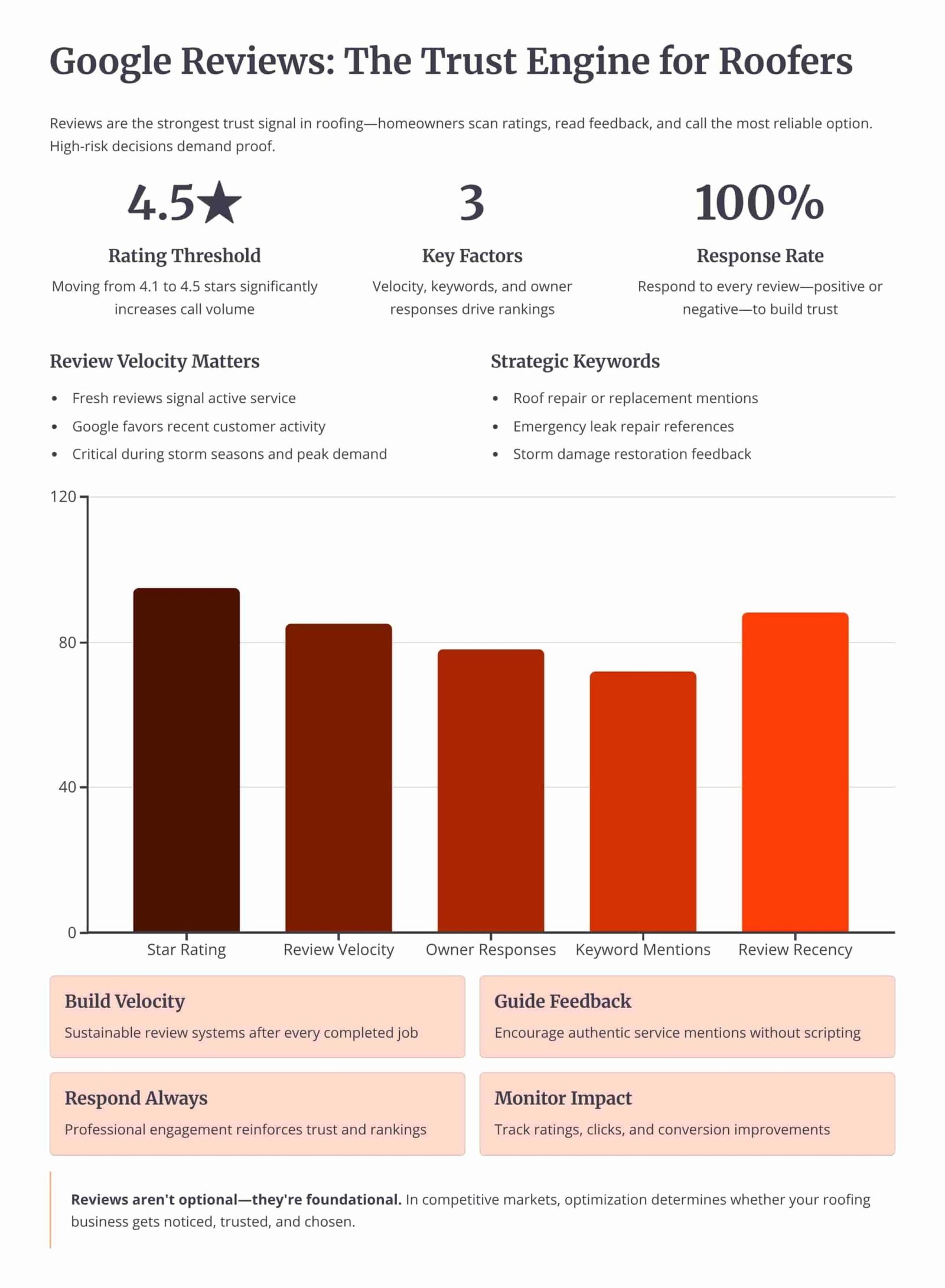
Review Velocity
150+ 5-Star Reviews Generated
Organic Traffic
300% Increase in Qualified Traffic
What Roofers Say
The 180-Day Roofing SEO Roadmap
See how we optimize the profile, build the website, and earn local-pack rankings over a 6-month engagement.
Month 1: Profile Audit and Setup
- Category and Field Fixes: Setting the primary category, secondary categories, description, services, and service areas.
- NAP Cleanup: Correcting the name, address, and phone number across the profile, the website, and the directory citations.
Month 2: Reviews and Media
- Review System: Setting up a steady request flow and replying to every review, positive and negative.
- Photo and Post Cadence: Uploading job photos from each completed roof and publishing profile posts twice a month.
Month 4: Citations and Site Support
- Citation Building: Adding consistent listings on the directories that feed prominence for a service area.
- Service-Area Pages: Building city pages on the website that reinforce the profile's service areas.
Month 6: Local-Pack Rankings and Leads
- Map-Pack Position: Reaching the top 3 of the local pack for core roofing queries in the served cities.
- Lead Tracking: Measuring calls and direction requests from the profile against the cost of paid leads.
Owning Search Demand vs Renting It From Lead Platforms
If you pay Angi or Google Ads, you are renting visibility. The moment you stop paying, your pipeline dries up. Ranking the profile and the website for high-intent local searches builds permanent digital equity.
Shared Lead Platforms (Angi, HomeAdvisor)
- The Race to the Bottom: Shared leads force you to slash prices to win against 5 other roofers.
- Low Intent: Half the time they aren't ready to buy, they were just clicking around online.
Local Search SEO (Our Approach)
- 100% exclusive, direct-to-you inbound calls.
- Highest closing rate. They chose YOU from the local pack.
- Compounding ROI. You don't pay per click.
We Identify Search Intent Using Industry-Leading Data Tools




Expertise Built on Data.
Not Guesswork.
I'm Nizam Ud Deen, and I don't build generic websites. I build search intent engines specifically for the roofing industry.
For years, I've watched roofers burn money on agencies that brag about "traffic" while the phones stay silent. Traffic without intent is worthless. My system maps exactly how homeowners search during storms, when comparing prices, and when they're ready to buy, and intercepts them at every stage.
The No-Brainer Roofing SEO Guarantee
We don't guarantee "traffic" or "rankings." We guarantee high-intent leads.
"We guarantee to generate 15 exclusive, inbound replacement or repair leads per month within the first 180 days, driven entirely by high-intent organic search. If we don't hit that metric, we work for free until we do."
Measuring Success: Leads and Revenue
We don't report on vanity metrics. If traffic goes up but revenue stays flat, the strategy failed. We track the pipeline.
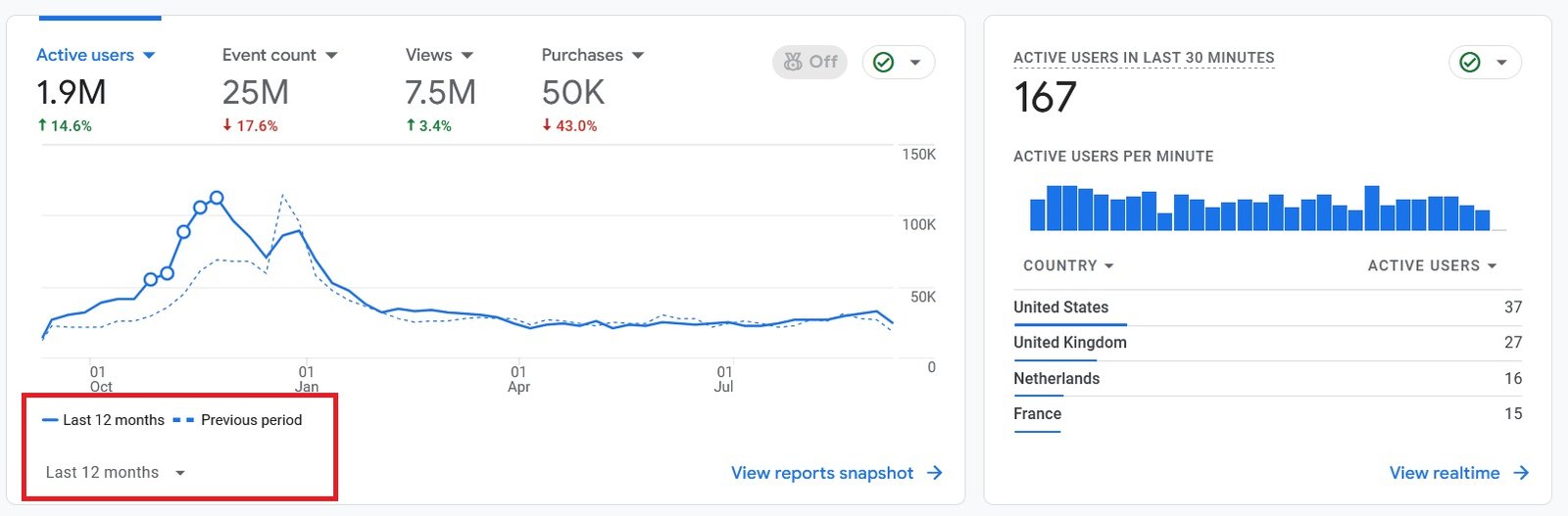
Call Tracking
Every keyword mapped to the exact phone call it generated.
Form Fills
Tracking estimate requests from high-intent local landing pages.
Booked Jobs
Connecting CRM data to SEO efforts to prove actual revenue return.
Cost per Lead
Monitoring organic CPL to ensure it beats shared platform costs.
The Modified Bitumen Page Checklist
Run a modified bitumen page through this checklist to confirm it answers the search and earns the flat-roof call.
Frequently Asked Questions
Clear answers about modified bitumen roofing for owners and contractors.
What is modified bitumen roofing?
What is the difference between SBS and APP?
How much does a modified bitumen roof cost?
How long does modified bitumen last?
Is modified bitumen good for a flat roof?
What are the installation methods for modified bitumen?
Is torch-down modified bitumen safe?
How does modified bitumen compare to TPO?
How does modified bitumen compare to EPDM?
Can modified bitumen go over an existing roof?
What warranty comes with modified bitumen?
How is a modified bitumen roof maintained?
What causes a modified bitumen roof to fail?
How do I rank a page for modified bitumen searches?
Get Your Free Flat-Roof Page Audit
We'll review how your site presents modified bitumen and the other flat-roof systems, compare it to your top 3 local competitors, and show where the page loses the flat-roof call.
What You Get:
- System Coverage ReviewA check of whether each flat-roof system has a dedicated, rankable page.
- Internal Link MapHow the material pages link together to build topical authority.
More Deliverables
- Content Gap CheckWhich cost, lifespan, and comparison questions your pages do not yet answer.
- Page OutlineA drafted structure for a modified bitumen page built to rank and convert.
Claim your free flat-roof page audit today. No commitment required.