
Flat Roofing Systems
Understand the membranes and methods behind flat roofing systems, then turn that knowledge into pages that rank when a building owner searches for the work.

Free Flat Roofing SEO Audit
Most roofing sites bury flat-roof work inside a generic services page. Get a free audit with a competitor comparison and a content map that targets TPO, EPDM, PVC, and modified bitumen searches.
What Is a Flat Roofing System?
A flat roofing system is a low-slope roof covered by a continuous waterproof membrane rather than overlapping shingles or panels. The slope is gentle, usually a minimum of 1/4 inch of fall per foot, so the membrane and its drainage carry the water.
Low Slope, Not Truly Flat
A flat roof carries a minimum slope of about 1/4 inch per foot, up to 2 inches per foot for stronger drainage, so water moves toward the drains.
A Membrane Does the Work
A single-ply or multi-ply membrane forms the waterproof layer, sealed at the seams, instead of the overlapping courses used on a steep roof.
Distinct From Steep Slope
Flat systems answer different searches than pitched roofs. See steep slope roofing.
What Are the Main Flat Roof Membrane Types?
The market runs on four single-ply and multi-ply membranes: TPO, EPDM, PVC, and modified bitumen, with built-up roofing still serving specific jobs. Each is a separate search a building owner may run.
Single-Ply Membranes
Multi-Ply and Built-Up
- Modified bitumen comes in torch-applied or peel-and-stick rolls, lasting about 15 to 20 years.
- Built-up roofing layers bitumen and reinforcing fabric under gravel or a coating, lasting 15 to 30 years.
- Each material is its own buyer query, so each deserves its own page. See the materials hub.
How Do TPO, EPDM, and PVC Compare?
The three single-ply membranes split on seam method, color, chemical resistance, and price, so the right choice depends on climate, traffic, and budget.
TPO: Reflective and Affordable
TPO welds at the seams, reflects heat with its white surface, and sits at the low end on price, which suits warm climates and tight budgets.
EPDM: Proven and Flexible
EPDM is a rubber sheet with a long track record and strong cold flexibility. Black absorbs heat, and the seams are the weak point to watch.
PVC: Chemical Resistant
PVC welds like TPO, resists grease and oils, and self-extinguishes for fire safety, at roughly 15 to 30 percent more than TPO.
Turn Flat Roof Searches Into Phone Calls
A building owner searching "TPO roof replacement" or "flat roof leak repair" is ready to talk. We build the pages that intercept those searches so the call lands on you.
Call Now For PricingOr call +1 272-207-3231
How Are Flat Roof Membranes Installed?
Installation runs on three broad attachment methods: fully adhered, mechanically attached, or ballasted, with the seam method set by the membrane. The method decides wind resistance and labor.
Attachment Methods
- Fully adhered bonds the membrane to the substrate with adhesive for a clean, smooth surface.
- Mechanically attached fastens the sheet with screws and plates, common on larger decks.
- Ballasted holds a loose-laid sheet under gravel or pavers, used where weight is allowed.
Seam and Roll Methods
- TPO and PVC use hot-air welded seams that can bond stronger than the sheet itself.
- EPDM seals with seam tape or liquid adhesive rather than heat.
- Modified bitumen is torch-applied or self-adhered in rolls. See roof installation.
Why Does Slope and Drainage Matter on a Flat Roof?
Drainage decides the life of the membrane, because standing water that remains 48 hours after rainfall is ponding, and ponding accelerates wear, raises leak risk, adds load, and can void the warranty.
Building Positive Drainage
- A minimum slope near 1/4 inch per foot moves water toward the drains.
- Tapered insulation creates fall on a structurally flat deck, laid out by design.
- Clear drains and scuppers keep water from pooling at low spots.
What Ponding Costs the Roof
Standing water degrades the membrane, raises leak risk, adds structural load, and can void a manufacturer warranty. Inadequate slope, clogged drains, and deck deflection are the usual causes.
What Are the Common Flat Roof Problems?
Flat roofs fail through a short list of recurring problems, with penetration leaks as the most common source. Each one becomes a search a building owner runs at the moment it appears.
Water and Seam Failures
- Ponding water from poor slope, clogged drains, or deck deflection.
- Seam failure from poor welds, shrinkage, or thermal stress.
- Penetration leaks at pipe boots, curbs, and skylights, the most common source.
Membrane and Wind Failures
- Punctures from foot traffic, eased by walk pads and thicker membranes.
- Blisters and ridging from trapped moisture or installing over a wet substrate.
- Wind uplift from inadequate attachment. See roof repair.
What Does Flat Roof Work Cost?
Cost spans repairs from about 300 to 3,000 dollars, coatings at 2 to 5 dollars per square foot, and replacement from 6 to 12 or more dollars per square foot, set by system and access.
Repairs
A repair runs roughly 300 to 3,000 dollars, depending on the extent of the damage and how easy the area is to reach.
Coatings and Restoration
A silicone, acrylic, or polyurethane coating runs about 2 to 5 dollars per square foot installed and can extend service 5 to 15 years.
Replacement
A full replacement runs from about 6 to 12 or more dollars per square foot, set by the system type and any insulation upgrades.
When Does a Coating Make Sense Over Replacement?
A coating restores a sound roof, but it is not a fix for widespread leaks, saturated insulation, or structural issues. The condition of the deck decides whether to coat or replace.
Where Coatings Fit
- Silicone resists ponding water and suits roofs that hold some moisture.
- Polyurethane resists abrasion and suits roofs with foot traffic.
- Acrylic is cost-effective on well-drained roofs.
Where Replacement Wins
A roof with widespread leaks, wet insulation, or a failing deck needs replacement, not a coating. Coating over those problems traps moisture and shortens the result. See roof replacement.
How Should a Flat Roof Be Maintained?
Inspect a flat roof at least twice a year, in spring and fall, and after severe weather. A scheduled check finds the small failures before they reach the deck.
What an Inspection Checks
- Seams, termination bars, and flashing details for separation.
- Drains and scuppers for blockage and ponding areas.
- The membrane surface for punctures, blisters, and shrinkage.
Diagnostic Tools
Infrared moisture scanning, core samples, and electronic leak detection locate trapped water and hidden leaks before they spread. Tie each inspection to a written record. See roof maintenance.
Organic Clicks Cost Less Than Paid Ones
A click earned from a strong organic flat-roof listing costs nothing per visit, against 50 to 150 dollars for paid roofing leads. Build the page and keep the click instead of buying it.
Call Now For PricingOr call +1 272-207-3231
What Should a Flat Roof Warranty Cover?
Warranties split into material, workmanship, and full system coverage, and each carries conditions. Proper drainage, certified installation, and regular maintenance keep the coverage in force.
The Three Warranty Layers
- Material warranties from the manufacturer run 10 to 30 years by type and thickness.
- Workmanship warranties from the contractor run 1 to 10 years.
- System warranties combine materials and labor for 15 to 30 years.
What Keeps Coverage Valid
Most warranties require certified installation, adequate drainage, regular maintenance, prompt repairs, and proper documentation. Ponding water and skipped upkeep are common reasons a claim is denied. See roofing warranties.
How Do You Rank for Flat Roofing Searches?
Rank by giving each membrane and each service its own page, mapped to the query a building owner actually runs. One page for "TPO roof installation" beats one generic flat-roof page covering everything.
Build Topical Coverage
- One page per membrane: TPO, EPDM, PVC, and modified bitumen.
- Separate intent pages for flat roof repair, replacement, and inspection.
- Define the system first, then answer the cost and lifespan questions on the page.
Wire It to the SEO Method
Title and structure each page for the query, link the cluster together, and rank it locally. See on-page SEO for roofers and local SEO for roofers.
Proof of Performance
Results from roofing campaigns that rank in local search.
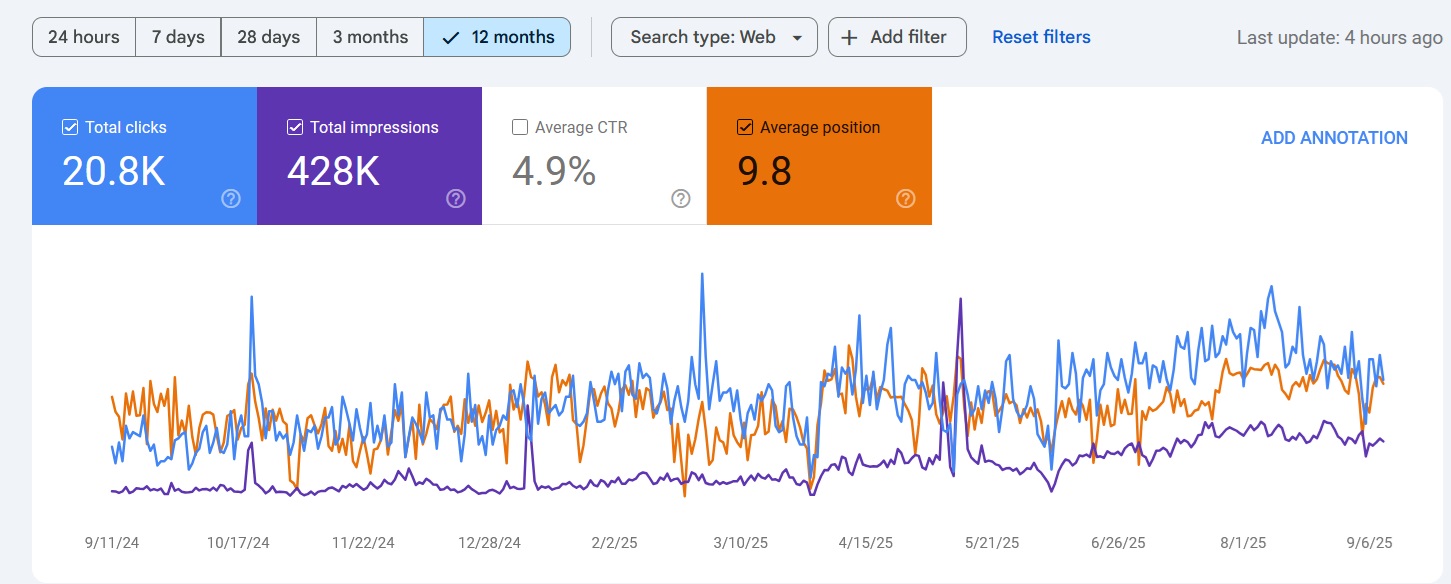
Map Pack Rankings
Ranked in Local Search Within 90 Days
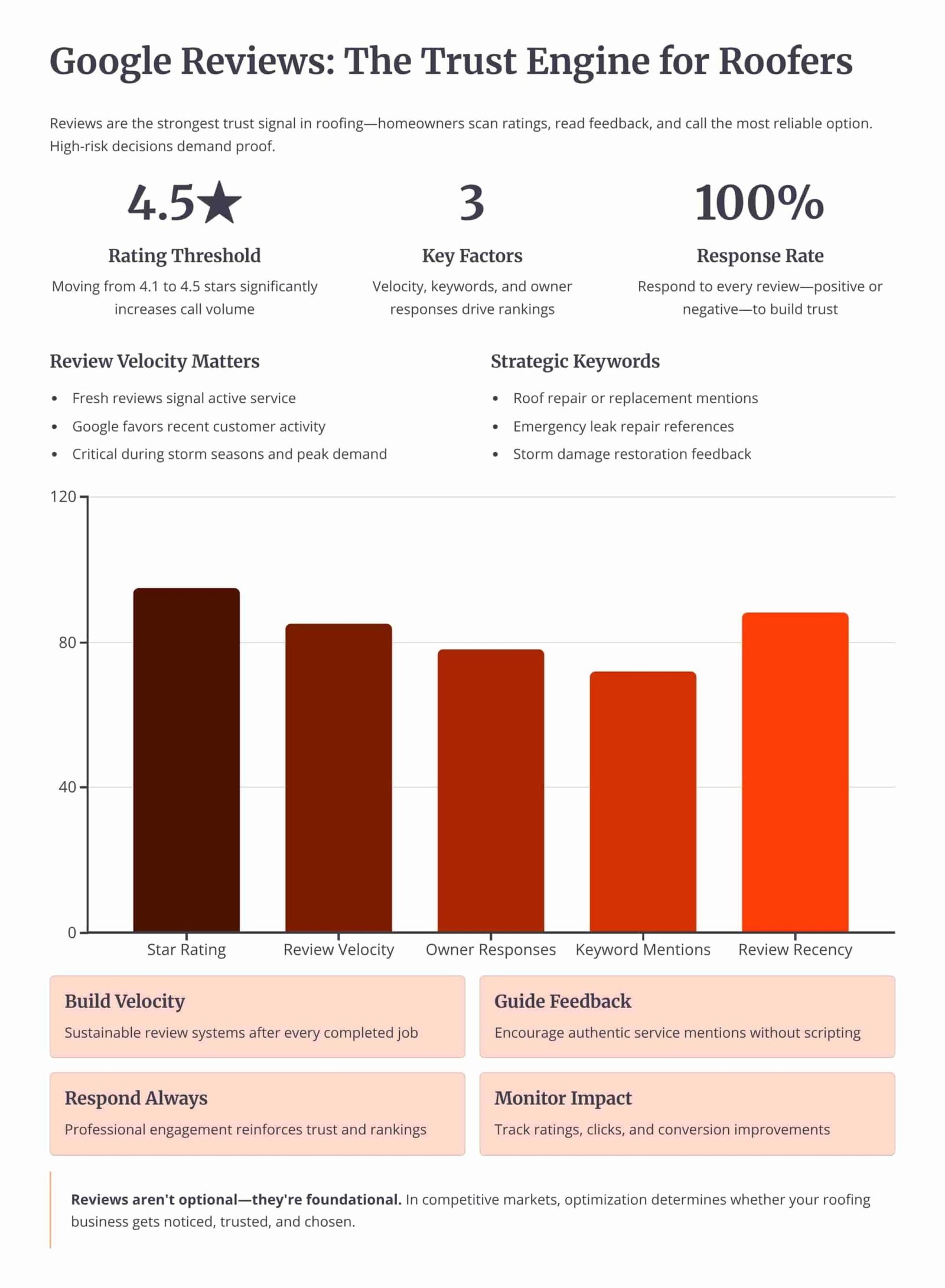
Review Velocity
150+ 5-Star Reviews Generated
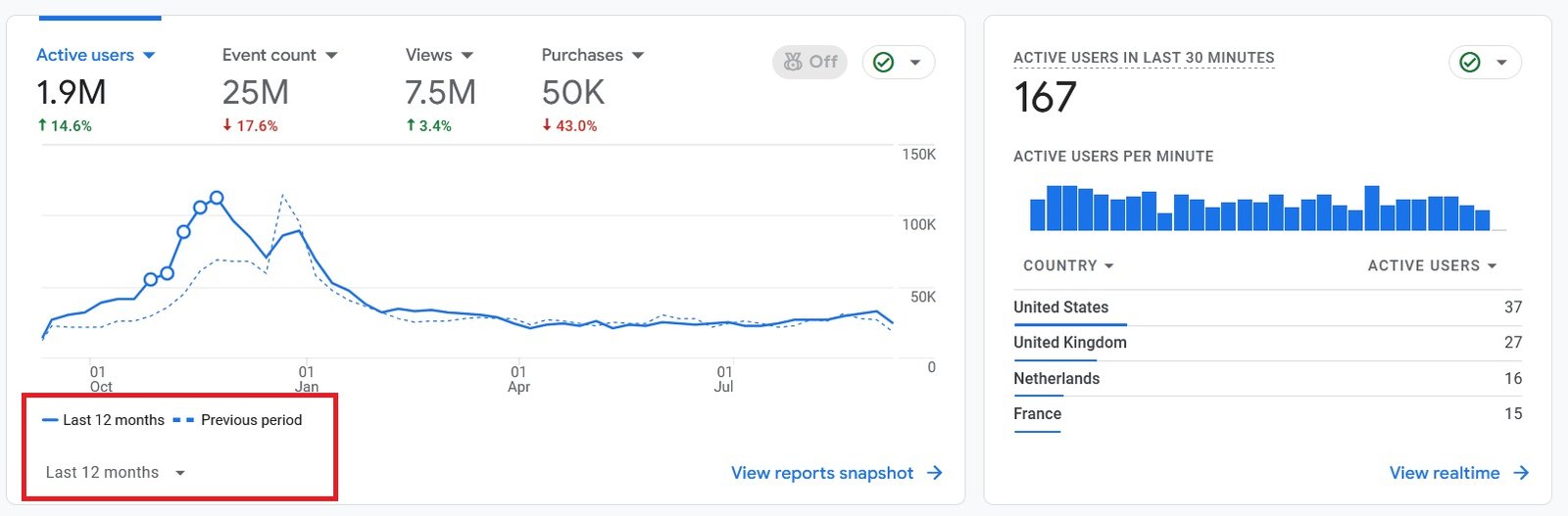
Organic Traffic
300% Increase in Qualified Traffic
What Roofers Say
The 180-Day Roofing SEO Roadmap
See how we optimize the profile, build the website, and earn local-pack rankings over a 6-month engagement.
Month 1: Profile Audit and Setup
- Category and Field Fixes: Setting the primary category, secondary categories, description, services, and service areas.
- NAP Cleanup: Correcting the name, address, and phone number across the profile, the website, and the directory citations.
Month 2: Reviews and Media
- Review System: Setting up a steady request flow and replying to every review, positive and negative.
- Photo and Post Cadence: Uploading job photos from each completed roof and publishing profile posts twice a month.
Month 4: Citations and Site Support
- Citation Building: Adding consistent listings on the directories that feed prominence for a service area.
- Service-Area Pages: Building city pages on the website that reinforce the profile's service areas.
Month 6: Local-Pack Rankings and Leads
- Map-Pack Position: Reaching the top 3 of the local pack for core roofing queries in the served cities.
- Lead Tracking: Measuring calls and direction requests from the profile against the cost of paid leads.
Owning Search Demand vs Renting It From Lead Platforms
If you pay Angi or Google Ads, you are renting visibility. The moment you stop paying, your pipeline dries up. Ranking the profile and the website for high-intent local searches builds permanent digital equity.
Shared Lead Platforms (Angi, HomeAdvisor)
- The Race to the Bottom: Shared leads force you to slash prices to win against 5 other roofers.
- Low Intent: Half the time they aren't ready to buy, they were just clicking around online.
Local Search SEO (Our Approach)
- 100% exclusive, direct-to-you inbound calls.
- Highest closing rate. They chose YOU from the local pack.
- Compounding ROI. You don't pay per click.
We Identify Search Intent Using Industry-Leading Data Tools




Expertise Built on Data.
Not Guesswork.
I'm Nizam Ud Deen, and I don't build generic websites. I build search intent engines specifically for the roofing industry.
For years, I've watched roofers burn money on agencies that brag about "traffic" while the phones stay silent. Traffic without intent is worthless. My system maps exactly how homeowners search during storms, when comparing prices, and when they're ready to buy, and intercepts them at every stage.
The No-Brainer Roofing SEO Guarantee
We don't guarantee "traffic" or "rankings." We guarantee high-intent leads.
"We guarantee to generate 15 exclusive, inbound replacement or repair leads per month within the first 180 days, driven entirely by high-intent organic search. If we don't hit that metric, we work for free until we do."
Measuring Success: Leads and Revenue
We don't report on vanity metrics. If traffic goes up but revenue stays flat, the strategy failed. We track the pipeline.
Call Tracking
Every keyword mapped to the exact phone call it generated.
Form Fills
Tracking estimate requests from high-intent local landing pages.
Booked Jobs
Connecting CRM data to SEO efforts to prove actual revenue return.
Cost per Lead
Monitoring organic CPL to ensure it beats shared platform costs.
The Flat Roof Content Checklist
Run each flat-roof page through this checklist to confirm it answers the search and earns the call.
Frequently Asked Questions
Clear answers about flat roofing systems and the work behind them.
What is a flat roofing system?
What are the main types of flat roof membrane?
How long does a flat roof last?
What does a flat roof cost?
What is the difference between TPO and EPDM?
Why is ponding water a problem on a flat roof?
What slope does a flat roof need?
What is the most common cause of a flat roof leak?
Can a flat roof be coated instead of replaced?
How is a flat roof membrane attached?
How often should a flat roof be inspected?
What warranty comes with a flat roof?
Is a flat roof better for commercial or residential buildings?
How does a roofer rank for flat roof searches?
Get Your Free Flat Roofing SEO Audit
We'll review how your site covers flat roofing systems and compare it to your top 3 local competitors to show where the work loses search visibility.
What You Get:
- Membrane Coverage ReviewA check of whether TPO, EPDM, PVC, and modified bitumen each have their own page.
- Content Gap ScanA list of flat-roof searches your site does not yet answer with a page.
More Deliverables
- Internal Link MapHow the flat-roof pages should connect to the materials hub and service pages.
- Title and Heading DraftsDrafted titles and headings for your highest-value flat-roof pages.
Claim your free flat roofing SEO audit today. No commitment required.