
Quote Request Optimization for Roofers
Reshape the estimate request path on a roofing website so more of the visitors who already landed there finish the form or place the call instead of leaving without contact.
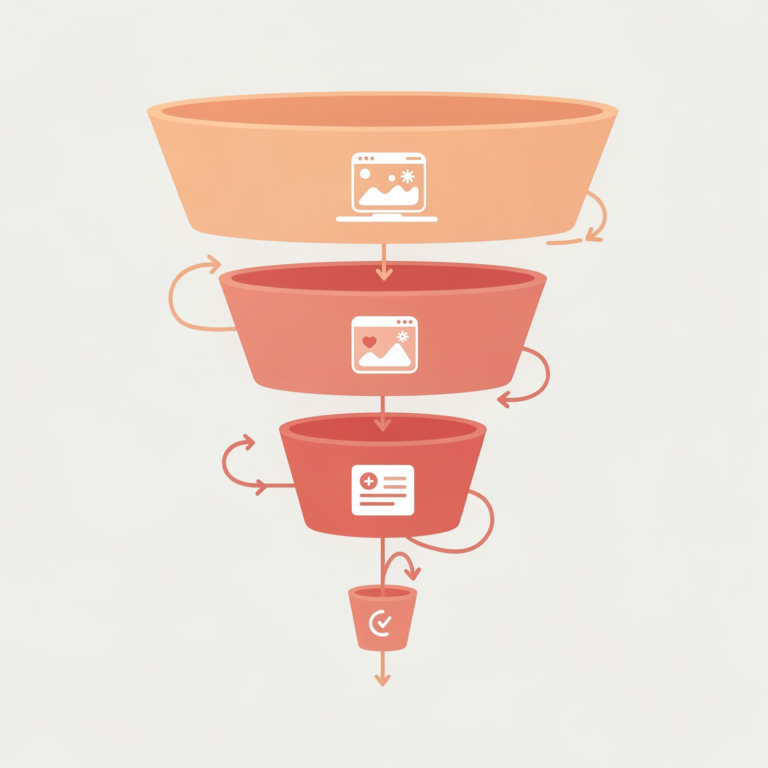
Free Quote Request Path Audit
Most roofing sites bury the estimate form, ask for too many fields, and answer leads hours late. Get a free audit of the quote request path with the friction points that cost you submissions.
What Is Quote Request Optimization?
Quote request optimization is the practice of designing, testing, and refining the estimate request path on a roofing site so more of the visitors who reach it complete the form or place the call. It works on the step between a visitor and a lead, not on traffic and not on the page design itself.
The Conversion Lever
The quote request path is where a homeowner turns into a booked estimate. Reducing friction on that path lifts submissions from the same number of visitors.
Distinct From the Page
Building the page itself sits in on-page SEO. See roofing landing page construction. This page works on the request step inside it.
Why It Matters Most
A missed quote request in roofing is not a lost click. It is a job worth thousands. The request path is where ranking turns into revenue.
Why Does the Quote Request Path Decide Roofing Revenue?
The path decides revenue because traffic does not equal leads, and a roofing visitor who cannot easily request a quote leaves for a competitor who makes it simple. Roofing searches carry urgency, so friction costs more here than in most trades.
Urgent Visitors Leave Fast
- A homeowner with an active leak is in crisis mode and will not work to find a hidden form.
- Each extra obstacle on the request path raises the chance the visitor returns to search results.
- The next roofing listing is one tap away, so the path has to be the simplest one in the local pack.
A Lead Is Worth a Job
- A single estimate request can become a replacement worth far more than a months ad budget.
- Lifting the completion rate works on the traffic you already paid to earn through search.
- The request path is the cheapest place to add leads, since it needs no new rankings. See conversion optimization for roofers.
How Many Fields Should a Roofing Quote Form Have?
Hold the form to five fields or fewer: name, phone, email, service type, and location. Each field beyond what you truly need lowers the completion rate, since every extra input is another reason to stop.
Ask for the Minimum
Name, phone, email, service type, and location are enough to call back and quote. Address and detailed scope can wait for that call.
Mark Optional Clearly
If you keep an extra field, mark it optional so a hesitant visitor can skip it and still submit the request.
Use Dropdowns
A service type dropdown with repair, replacement, and inspection lets a visitor tap a choice instead of typing, which speeds the form on a phone.
What Are the Five Elements of a Converting Quote Form?
A roofing quote form that converts carries five elements: minimal fields, clear button copy, above-the-fold placement, mobile handling, and a trust signal beside it. Drop one and the completion rate falls.
Field and Copy Elements
- Minimal fields, limited to what is needed to call back and quote.
- Clear button copy that names the action, covered in the next section.
- A trust signal placed beside the form so a visitor sees proof while deciding. See trust badge placement.
Placement and Device Elements
- Above-the-fold placement so the form shows without scrolling on key pages.
- Mobile handling with large tap targets, autofill support, and a tap-to-call option.
- A sticky or repeated entry point so the form stays reachable as the visitor reads. See roofing lead forms.
What Should the Quote Form Button Say?
The button should name the action and the value, such as "Get Free Roof Estimate" or "Request Inspection Now", not a generic "Submit" or "Contact Us". A specific button tells the visitor exactly what happens next.
Action and Value in the Label
- "Get Free Roof Estimate" names the outcome and the price, which is free.
- "Request Inspection Now" pairs the action with immediacy for an urgent visitor.
- "Get My Roof Quote" reads as the visitor's own next step rather than a system command.
Generic Labels Lose Clicks
"Submit" and "Contact Us" carry no value and no urgency, so they read as work rather than reward. The deeper button mechanics sit in call to action optimization.
Turn Visitors Into Estimate Requests
A roofing page can rank and still lose the lead at a clumsy form. We rebuild the quote request path across the site so more of the traffic you already earn turns into booked estimates.
Call Now For PricingOr call +1 272-207-3231
Where Should the Quote Form Sit on the Page?
Place the form above the fold on every key service and landing page, and embed it inline in the content rather than hiding it on a separate contact page. A form a visitor has to hunt for is a form most never reach.
Visible Without Scrolling
- The form, or a clear entry point to it, shows in the first screen on mobile and desktop.
- An inline form inside the service content reaches more visitors than one on a dedicated contact page.
- A sticky entry point keeps the path reachable as the visitor scrolls through proof and detail.
Repeat the Entry Point
A long roofing page should offer the form near the top and again after the proof section, so a visitor who decides late still has the path in front of them without scrolling back.
How Do You Optimize the Quote Form for Mobile?
Optimize for mobile with large tap targets, autofill support, the right keyboard per field, and a tap-to-call option beside the form. Most roofing searches happen on a phone, so the form has to suit a thumb.
Built for a Thumb
- Buttons and inputs large enough to tap without zooming or mis-touching.
- Autofill turned on so a phone fills name, email, and number in one tap.
- The numeric keypad for the phone field and the email keyboard for email.
Offer the Call as an Option
Some homeowners want to talk, not type. A tap-to-call button beside the form catches that preference. The mechanics sit in click-to-call buttons, and page speed lives in technical SEO.
What Trust Signals Belong Beside the Quote Form?
Place reassurance the visitor needs at the moment of submitting: reviews, licensing and insurance, a manufacturer certification, and before-and-after work. The signal answers the silent question of whether this company is safe to contact.
Proof That Reduces Hesitation
- A review rating or a short quote shown next to the form.
- Licensed and insured status, stated plainly.
- A manufacturer certification such as a GAF or Owens Corning badge.
- A before-and-after photo of a completed roof.
The Signal Lives in the Trust Silo
The placement of the badge on the form is a conversion task. The credibility of the signal itself, such as earning and showing reviews, sits in the trust silo. Place a proven signal here, do not invent one.
When Should a Roofing Quote Form Be Multi-Step?
Use a multi-step form when the request needs more than the basic five fields, breaking the questions into short steps with a progress bar. A long form on one screen reads as work; the same questions across small steps feel lighter.
Lead With an Easy Step
Start with a low-effort tap, such as the service type, so the visitor commits before reaching the contact fields.
Show Progress
A progress bar tells the visitor how few steps remain, which keeps them moving toward submission instead of abandoning midway.
Conditional Fields
Show only the fields that fit the earlier answer, so a repair request and a commercial proposal each ask for what they actually need.
Which Quote Request Types Should a Roofer Offer?
Offer the request type that matches the visitor's situation: an emergency form, an inspection scheduler, a free estimate form, and a commercial proposal request. One generic form serves none of them well.
Urgent and Standard Paths
- An emergency request form for leaks and storm damage, kept short and fast.
- A free estimate form, the most common path, with the basic five fields.
- An inspection scheduler tied to a calendar for a planned visit.
Match the Form to the Page
A storm-damage page carries the emergency form; a replacement page carries the estimate form; a commercial page carries the proposal request. Each form fits the search intent of its page. See search intent for roofers.
A Faster Reply Wins More Jobs
Studies of inbound leads find that contacting a new lead within five minutes can lift the odds of reaching and qualifying it sharply against an hour-long delay. The form earns the request; the reply closes it.
Call Now For PricingOr call +1 272-207-3231
How Do You Reduce Quote Form Abandonment?
Cut abandonment with inline validation, smart defaults, a short time estimate, and an exit-intent prompt for visitors about to leave. Abandonment is the gap between starting the form and finishing it, and small fixes close it.
Remove the Friction Mid-Form
- Inline validation that flags an error as it happens, not after a failed submit.
- Smart defaults, such as a detected city, that pre-fill a field the visitor would type.
- A short reassurance like a 60-second time estimate, set near the first field.
Catch the Leaving Visitor
An exit-intent prompt can offer the call or a simpler one-field option to a visitor moving to close the tab. To see where visitors stall, study form behavior in user behavior analysis.
How Do You Test and Improve the Quote Path?
Improve the path by testing one change at a time, such as button copy, field count, or layout, and keeping the version that lifts completions. Optimization is a measured loop, not a one-time build.
Change One Thing
Test a single variable, such as the button label, so the result tells you what moved the completion rate.
Watch Real Sessions
Recordings and heatmaps show where a visitor hesitates or stops on the form. See heatmaps for roofers.
Keep the Winner
Run each test long enough to read a real difference, then keep the version that lifts submissions and test the next element.
Which Metrics Track Quote Request Performance?
Track the form conversion rate, the form abandonment rate, the cost per lead, and the lead-to-close ratio. These four show whether the path lifts leads and whether those leads turn into jobs.
Path and Volume Metrics
- Conversion rate, the share of visitors who complete a request. A common roofing range runs 3 to 5 percent, with strong paths higher.
- Abandonment rate, the share who start the form but do not finish.
- Cost per lead, total spend divided by leads earned.
Revenue Metric
The lead-to-close ratio shows how many requests become booked jobs. A path that lifts requests but not bookings points to lead quality or follow-up, not the form. Treat the 3 to 5 percent figure as a range, not a promise.
What Mistakes Cost Roofers the Most Quote Requests?
Roofers lose requests through too many fields, generic button copy, hidden forms, slow pages, and missing reassurance. Each one is fixable inside the page, and each one quietly drains the leads the traffic should produce.
Form and Copy Errors
- Too many required fields, which overwhelm a visitor at the start.
- A generic button such as "Contact Us", which carries no value or urgency.
- A form hidden on a separate contact page, out of reach of the service content.
Speed and Trust Errors
- A page over a few seconds to load, which loses mobile visitors before the form appears.
- No trust signal beside the form, which leaves the hesitation unanswered.
- No reply system, so a request earned by the form sits unanswered for hours.
Proof of Performance
Results from roofing campaigns that rank in local search.
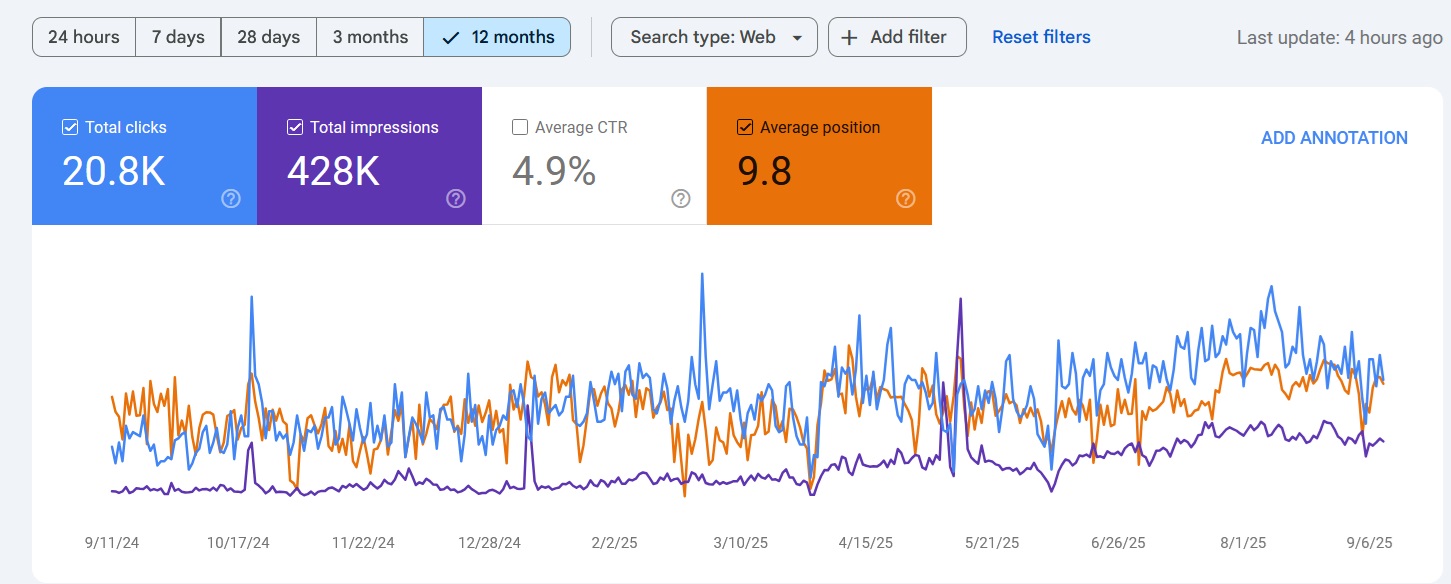
Map Pack Rankings
Ranked in Local Search Within 90 Days
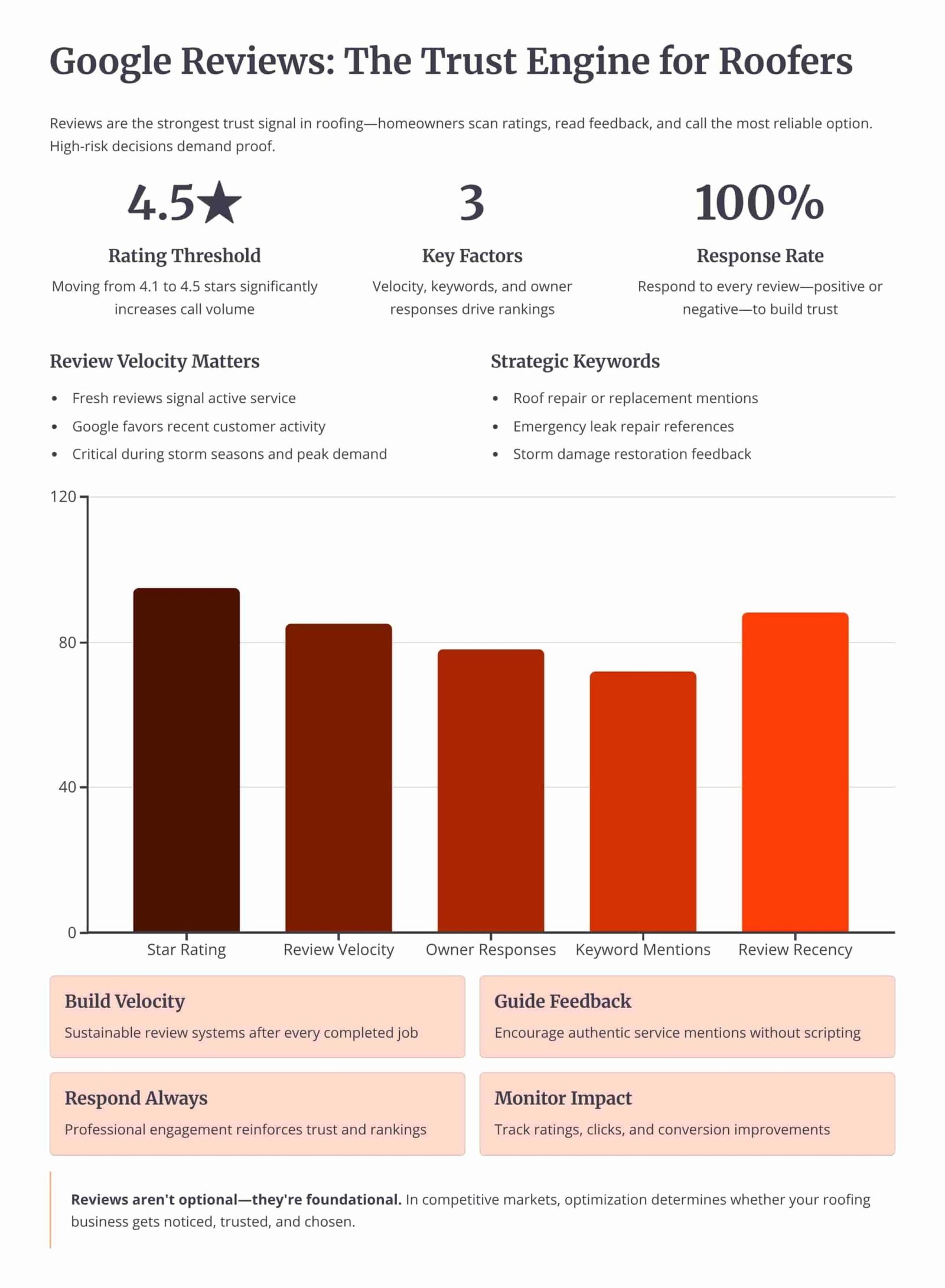
Review Velocity
150+ 5-Star Reviews Generated
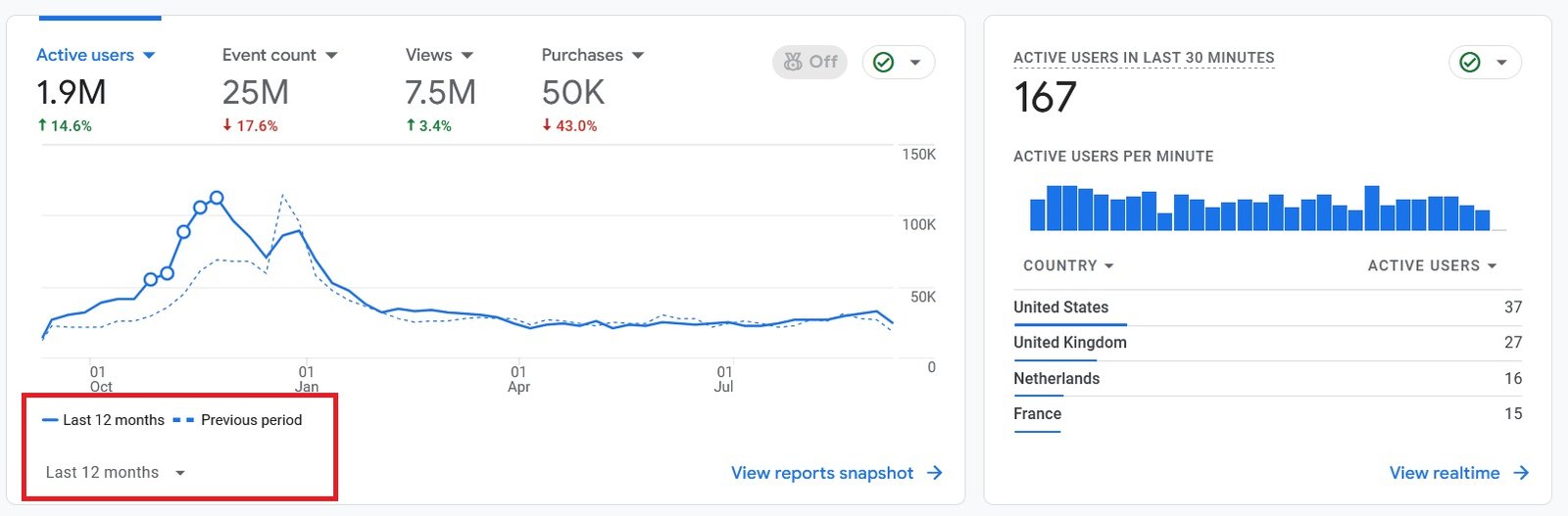
Organic Traffic
300% Increase in Qualified Traffic
What Roofers Say
The 180-Day Roofing SEO Roadmap
See how we optimize the profile, build the website, and earn local-pack rankings over a 6-month engagement.
Month 1: Profile Audit and Setup
- Category and Field Fixes: Setting the primary category, secondary categories, description, services, and service areas.
- NAP Cleanup: Correcting the name, address, and phone number across the profile, the website, and the directory citations.
Month 2: Reviews and Media
- Review System: Setting up a steady request flow and replying to every review, positive and negative.
- Photo and Post Cadence: Uploading job photos from each completed roof and publishing profile posts twice a month.
Month 4: Citations and Site Support
- Citation Building: Adding consistent listings on the directories that feed prominence for a service area.
- Service-Area Pages: Building city pages on the website that reinforce the profile's service areas.
Month 6: Local-Pack Rankings and Leads
- Map-Pack Position: Reaching the top 3 of the local pack for core roofing queries in the served cities.
- Lead Tracking: Measuring calls and direction requests from the profile against the cost of paid leads.
Owning Search Demand vs Renting It From Lead Platforms
If you pay Angi or Google Ads, you are renting visibility. The moment you stop paying, your pipeline dries up. Ranking the profile and the website for high-intent local searches builds permanent digital equity.
Shared Lead Platforms (Angi, HomeAdvisor)
- The Race to the Bottom: Shared leads force you to slash prices to win against 5 other roofers.
- Low Intent: Half the time they aren't ready to buy, they were just clicking around online.
Local Search SEO (Our Approach)
- 100% exclusive, direct-to-you inbound calls.
- Highest closing rate. They chose YOU from the local pack.
- Compounding ROI. You don't pay per click.
We Identify Search Intent Using Industry-Leading Data Tools




Expertise Built on Data.
Not Guesswork.
I'm Nizam Ud Deen, and I don't build generic websites. I build search intent engines specifically for the roofing industry.
For years, I've watched roofers burn money on agencies that brag about "traffic" while the phones stay silent. Traffic without intent is worthless. My system maps exactly how homeowners search during storms, when comparing prices, and when they're ready to buy, and intercepts them at every stage.
The No-Brainer Roofing SEO Guarantee
We don't guarantee "traffic" or "rankings." We guarantee high-intent leads.
"We guarantee to generate 15 exclusive, inbound replacement or repair leads per month within the first 180 days, driven entirely by high-intent organic search. If we don't hit that metric, we work for free until we do."
Measuring Success: Leads and Revenue
We don't report on vanity metrics. If traffic goes up but revenue stays flat, the strategy failed. We track the pipeline.
Call Tracking
Every keyword mapped to the exact phone call it generated.
Form Fills
Tracking estimate requests from high-intent local landing pages.
Booked Jobs
Connecting CRM data to SEO efforts to prove actual revenue return.
Cost per Lead
Monitoring organic CPL to ensure it beats shared platform costs.
The Roofing Quote Request Optimization Checklist
Run each roofing page through this checklist to confirm the quote request path turns visitors into estimate requests.
Frequently Asked Questions
Clear answers about quote request optimization for roofing pages.
What is quote request optimization for a roofing site?
How many fields should a roofing quote form have?
What should the quote form button say?
Where should the quote form sit on a roofing page?
How do I optimize the quote form for mobile?
What trust signals belong beside a quote form?
When should a roofing quote form be multi-step?
What is form abandonment and how do I reduce it?
What is a good conversion rate for a roofing quote form?
Which metrics track quote request performance?
How do I test changes to the quote path?
Why does a fast reply matter after a quote request?
Should a quote form offer a phone option too?
Is quote request optimization the same as building the page?
Get Your Free Quote Request Path Audit
We'll review the estimate request path across your roofing pages and compare it to your top 3 local competitors to show where the path loses submissions.
What You Get:
- Form Field ReviewA count of fields and a check of which ones can be cut or made optional.
- Placement ScanWhether the form sits above the fold and inline on each key page.
More Deliverables
- Mobile Path CheckHow the form and the tap-to-call option perform on a phone.
- Copy and Trust SamplesDrafted button labels and a trust signal layout for your highest-value pages.
Claim your free quote request path audit today. No commitment required.