
Call-to-Action Optimization for Roofing Websites
Set the wording, placement, and design of the buttons on every roofing page so a homeowner who lands from search calls the company or requests a quote instead of leaving.

Free Roofing CTA Audit
Most roofing sites bury the call button below the fold or hide it in the footer. Get a free audit with a competitor comparison and rewrites that move the visitor to call or request a quote.
What Is Call-to-Action Optimization?
Call-to-action optimization is the practice of tuning the wording, placement, and design of the buttons and links that ask a roofing visitor to call, request a quote, or book an inspection. A ranking brings the visitor to the page; the call to action decides whether that visit becomes a lead.
The Wording
The exact text on the button, such as "Get Your Free Roof Inspection", which names the action and the value the homeowner receives.
The Placement
Where the button sits on the page, from the hero above the fold to a sticky mobile bar that follows the visitor as they scroll.
The Design
The size, color, and contrast that make the button read as the next step, separate from building the page itself. See on-page SEO.
Why Do CTAs Decide Roofing SEO Results?
CTAs decide results because roofing SEO is measured in leads, not in rankings or visits, and a buried or vague call to action is the fastest way to lose a high-intent visitor.
Traffic Without Conversions Is Idle
- A page that ranks and draws visits still produces nothing if no one calls or fills the form.
- The call to action is the single step that turns a reader into a phone call.
- A weak button lets a ready homeowner leave for a competitor's listing.
The Roofing Funnel Is Short
- A homeowner with a leaking roof moves from search to decision in minutes, not days.
- They scan for credibility, then call or leave, with rarely a second chance to re-engage.
- The conversion lever sits on the landing page itself. See roofing landing pages.
What Are the Four Types of Roofing CTA?
Use four call-to-action types, since visitors arrive with different levels of urgency: call now, free estimate, schedule inspection, and lead magnet. A page with more than one path captures more of the visitors who land on it.
Urgent and Direct Paths
- Call Now: "Call Now for Immediate Roof Repair" serves a homeowner in a crisis, paired with a sticky click-to-call button.
- Free Estimate: "Get Your Free Roof Inspection" serves a homeowner who wants a quote through a short form.
Planned and Considered Paths
- Schedule Inspection: a calendar booking suits a non-urgent lead who prefers to plan ahead.
- Lead Magnet: a guide, checklist, or proposal builds trust with a commercial prospect over a longer cycle.
Where Should a Roofing CTA Go on the Page?
Place a call to action above the fold, after each key section, just before the reviews, in a sticky mobile bar, and in an exit-intent prompt. Each spot meets the visitor at a different point of intent.
Above the Fold
A primary, benefit-led button in the hero so a homeowner who already decided can act without scrolling.
Sticky Mobile Bar
A click-to-call button fixed to the screen as the visitor scrolls. See click-to-call buttons.
After Each Section and Reviews
A repeated button after services and about, and one placed just before the testimonials, where trust peaks.
Turn Visitors Into Phone Calls
A roofing page can draw the traffic yet lose the lead to a clearer button. We rewrite and reposition the calls to action across the site so the click lands on you.
Call Now For PricingOr call +1 272-207-3231
How to Write Roofing CTA Copy That Converts
Write the button copy on three principles: an action verb, an urgency trigger, and a value frame that lowers perceived risk. Lead with the benefit the homeowner gets, not the task you want them to do.
The Three Copy Principles
- Start with a verb, such as Call, Get, Book, Schedule, or Download.
- Add an urgency trigger, such as "Now", "Today", or "Immediately".
- Add a value frame, such as "Free", "No Obligation", or "In 60 Seconds".
- Match the copy to the page intent, so an emergency page reads urgent and a maintenance page reads calm.
Lead With the Benefit
"Get Your Free Roof Inspection" outperforms "Contact Us" because it names what the homeowner receives. Reserve "Submit" and "Click Here" for nowhere, since neither gives a reason to act.
What Trust Signals Lift Roofing CTA Clicks?
Place one credible trust signal next to the button: a star rating, a manufacturer certification, a warranty term, or a before-and-after photo. The signal answers the doubt a homeowner feels in the second before clicking.
Signals That Sit Beside the Button
- A Google rating shown by the primary CTA, such as a star score from a stated number of homeowners.
- A manufacturer certification logo, such as GAF Master Elite or Owens Corning Preferred, near the estimate button.
- A workmanship or manufacturer warranty term, named in plain words.
- A before-and-after gallery that proves the quality of the work.
The Signal Lives in the Trust Silo
The rating or review itself is earned and managed as a trust signal, not built on the button. Place it beside the CTA here, and build the signal at trust SEO for roofers.
How to Optimize Roofing CTAs for Mobile
Optimize for mobile because most roofing searches happen on a phone, often from a homeowner standing in the driveway looking at storm damage. The button has to be large, visible, and one tap from a call.
The Mobile CTA Checklist
- A sticky click-to-call button visible at all times.
- Tap targets at least 44 pixels tall, with one-tap calling and no copy-paste.
- Short forms, at most three fields, with auto-fill for name, phone, and email.
- The primary button above the fold, with contrast high enough to read outdoors.
Speed Decides Whether the Button Loads
Per Google, a one-second delay in load can cut conversions by up to a fifth, so the page that holds the button has to render fast. The speed work itself sits in technical SEO for roofers.
Common CTA Mistakes Roofers Make
Roofing sites lose leads through five recurring call-to-action mistakes, each one fixable inside the page.
Path and Visibility Errors
- Only one CTA type, which forces every visitor down the same path and loses those who want another.
- Buttons hidden in the footer or below long text, where they go unseen.
- No urgency in the copy, which gives the visitor permission to delay.
Offer and Response Errors
- Weak offers like "Submit" or "Click Here", which give no reason to act.
- Slow response after the lead arrives, which wastes even a strong button.
- A form longer than the homeowner will fill on a phone.
How Does Response Speed Change the CTA Result?
Response speed changes the result because the first roofer to reply tends to win the job, so the value of a click falls with every minute of delay after the form is sent.
Within Five Minutes
Replying within a few minutes raises the chance of booking the job far above a reply that comes half an hour later.
After Thirty Minutes
The advantage drops sharply once the reply slips past half an hour, since the homeowner often calls the next listing.
After a Day
A reply that arrives the next day usually finds the lead already booked with a faster competitor.
A Sharper CTA Beats More Traffic
Moving 500 monthly visitors from a 2 percent to a 6 percent conversion rate turns 10 leads into 30, with no extra ad spend. Fix the call to action and book the visits you already earn.
Call Now For PricingOr call +1 272-207-3231
How Do CTAs Differ by Page Intent?
Match the call to action to the intent of the page: a storm-damage page shows an emergency button, a maintenance page shows a scheduling button, and a commercial page shows a proposal button. The right button at the right moment lifts the conversion.
Match the Button to the Page
- Storm-damage and emergency pages lead with a call-now button.
- Replacement and maintenance pages lead with a free estimate or scheduling button.
- Commercial pages lead with a proposal or consultation button.
The Query Behind the Page
A homeowner with urgent intent wants to call; a homeowner planning ahead wants to book; a facility manager wants a written proposal. Read the query, then set the button. See search intent for roofers.
How Do You Measure CTA Performance?
Measure the call to action on four numbers: the click-through rate on the button, the form completion rate, the call conversion rate, and the speed of the first reply. Track them and test one change at a time.
The Numbers to Track
- Click-through rate: the share of visitors who click any CTA, where roughly 3 to 8 percent is a common range.
- Form completion rate: a figure below half signals friction in the form.
- Call conversion rate: the share of calls that become a booked inspection.
- Speed to first reply: how fast someone responds after the lead arrives.
Test One Change at a Time
A/B test the button color, the copy, and the placement separately, so each result is readable. Small wins compound into more booked jobs across a year of traffic the site already earns.
Proof of Performance
Results from roofing campaigns that rank in local search.
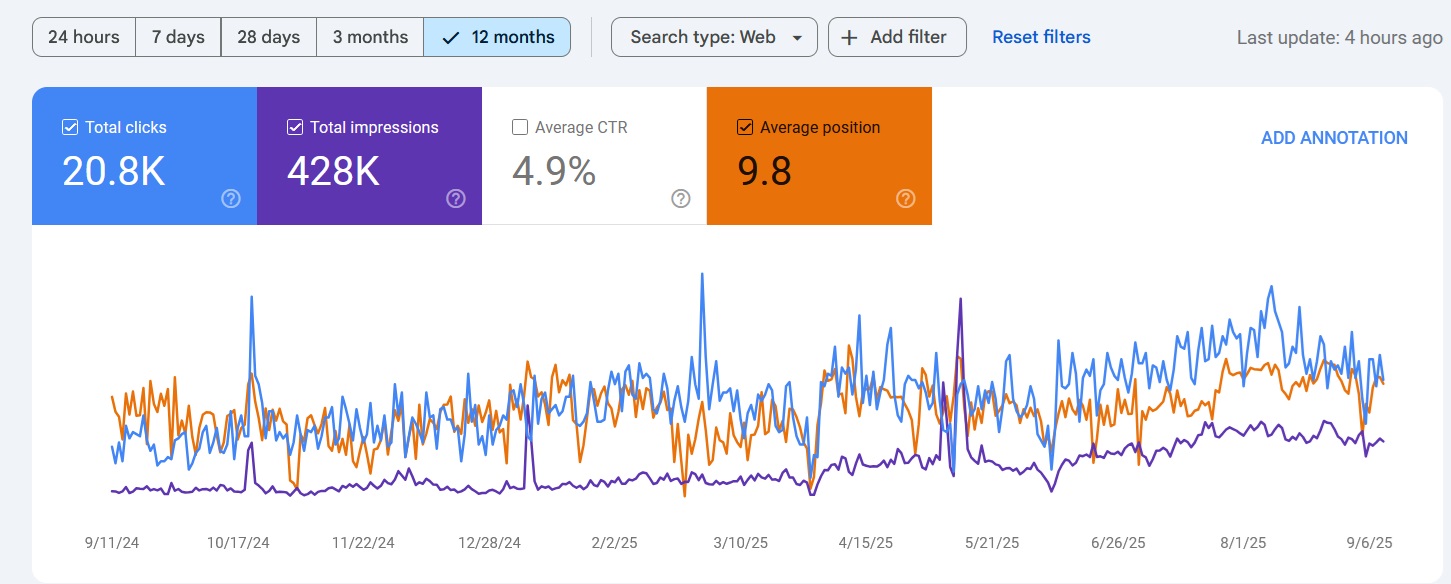
Map Pack Rankings
Ranked in Local Search Within 90 Days
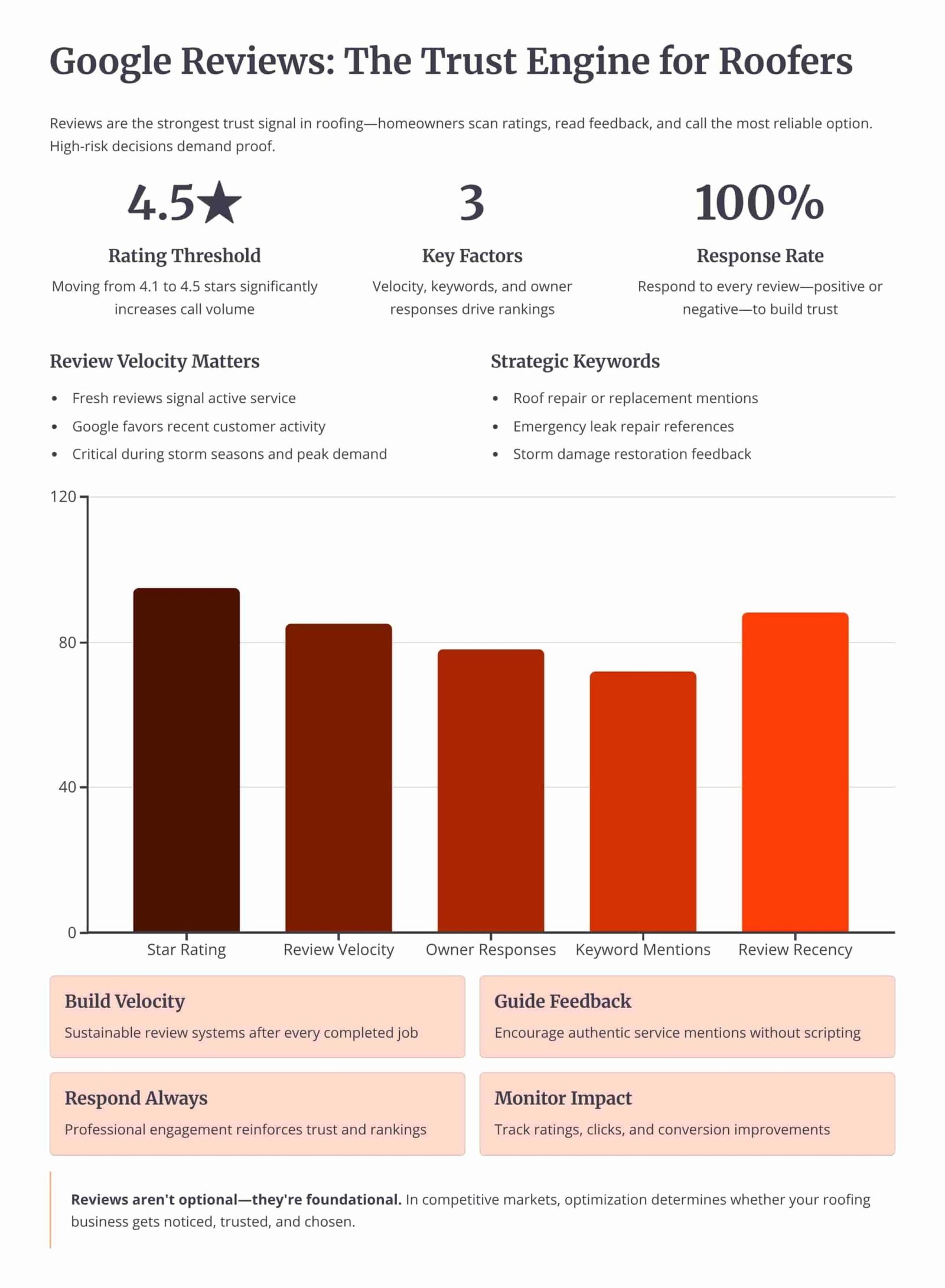
Review Velocity
150+ 5-Star Reviews Generated
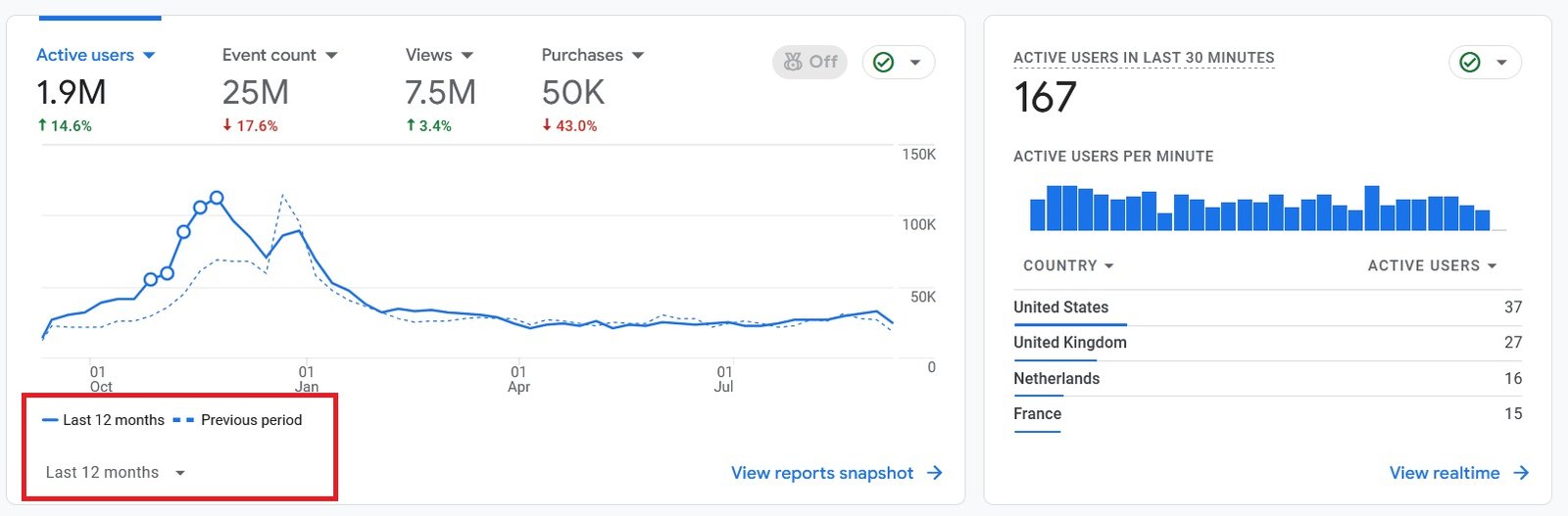
Organic Traffic
300% Increase in Qualified Traffic
What Roofers Say
The 180-Day Roofing SEO Roadmap
See how we optimize the profile, build the website, and earn local-pack rankings over a 6-month engagement.
Month 1: Profile Audit and Setup
- Category and Field Fixes: Setting the primary category, secondary categories, description, services, and service areas.
- NAP Cleanup: Correcting the name, address, and phone number across the profile, the website, and the directory citations.
Month 2: Reviews and Media
- Review System: Setting up a steady request flow and replying to every review, positive and negative.
- Photo and Post Cadence: Uploading job photos from each completed roof and publishing profile posts twice a month.
Month 4: Citations and Site Support
- Citation Building: Adding consistent listings on the directories that feed prominence for a service area.
- Service-Area Pages: Building city pages on the website that reinforce the profile's service areas.
Month 6: Local-Pack Rankings and Leads
- Map-Pack Position: Reaching the top 3 of the local pack for core roofing queries in the served cities.
- Lead Tracking: Measuring calls and direction requests from the profile against the cost of paid leads.
Owning Search Demand vs Renting It From Lead Platforms
If you pay Angi or Google Ads, you are renting visibility. The moment you stop paying, your pipeline dries up. Ranking the profile and the website for high-intent local searches builds permanent digital equity.
Shared Lead Platforms (Angi, HomeAdvisor)
- The Race to the Bottom: Shared leads force you to slash prices to win against 5 other roofers.
- Low Intent: Half the time they aren't ready to buy, they were just clicking around online.
Local Search SEO (Our Approach)
- 100% exclusive, direct-to-you inbound calls.
- Highest closing rate. They chose YOU from the local pack.
- Compounding ROI. You don't pay per click.
We Identify Search Intent Using Industry-Leading Data Tools


Expertise Built on Data.
Not Guesswork.
I'm Nizam Ud Deen, and I don't build generic websites. I build search intent engines specifically for the roofing industry.
For years, I've watched roofers burn money on agencies that brag about "traffic" while the phones stay silent. Traffic without intent is worthless. My system maps exactly how homeowners search during storms, when comparing prices, and when they're ready to buy, and intercepts them at every stage.
The No-Brainer Roofing SEO Guarantee
We don't guarantee "traffic" or "rankings." We guarantee high-intent leads.
"We guarantee to generate 15 exclusive, inbound replacement or repair leads per month within the first 180 days, driven entirely by high-intent organic search. If we don't hit that metric, we work for free until we do."
Measuring Success: Leads and Revenue
We don't report on vanity metrics. If traffic goes up but revenue stays flat, the strategy failed. We track the pipeline.
Call Tracking
Every keyword mapped to the exact phone call it generated.
Form Fills
Tracking estimate requests from high-intent local landing pages.
Booked Jobs
Connecting CRM data to SEO efforts to prove actual revenue return.
Cost per Lead
Monitoring organic CPL to ensure it beats shared platform costs.
The Roofing CTA Optimization Checklist
Run each roofing page through this checklist to confirm the call to action earns the call or the quote request.
Frequently Asked Questions
Clear answers about call-to-action optimization for roofing pages.
What is a call to action on a roofing website?
What is the best call to action for a roofing page?
Where should a roofing CTA be placed?
How many CTAs should a roofing page have?
What words make a roofing CTA convert?
Should the CTA differ on mobile and desktop?
Does a CTA affect roofing SEO rankings?
Why does response speed matter after a CTA?
What is a good CTA click-through rate for roofers?
How do I test a roofing CTA?
Should a roofing landing page have one CTA or many?
What CTA works for commercial roofing prospects?
Why are my roofing visitors not clicking the CTA?
How do CTAs connect to roofing conversion rate?
Get Your Free Roofing CTA Audit
We'll review the calls to action across your roofing pages and compare them to your top 3 local competitors to show where the page loses the call or the quote request.
What You Get:
- Button and Copy ReviewA check of wording, placement, and the action on each key page.
- Mobile CTA ScanA list of pages missing a sticky click-to-call button on mobile.
More Deliverables
- Placement MapWhere each page should add or move a button to meet the visitor's intent.
- Copy RewritesDrafted button wording for your highest-value roofing pages.
Claim your free roofing CTA audit today. No commitment required.