
User Behavior Analysis for Roofing Websites
Read how homeowners click, scroll, and exit on a roofing site, then find the exact points where visitors drop off before they call or fill the form.

Free Roofing Behavior Audit
Most roofing sites get traffic but lose the visitor at a hidden friction point. Get a free audit that reads your session data and shows where homeowners drop off before they call.
What Is User Behavior Analysis?
User behavior analysis is the practice of recording how visitors click, scroll, pause, and exit on a roofing site so you can see why some leave without calling or filling the form. It reads the actual session data instead of guessing.
What It Records
It captures clicks, scroll depth, time on each page, exit points, and the path a homeowner takes before contact or abandonment.
What It Answers
It answers a single question: at which point on the page does the visitor stop moving toward the call or the quote request.
Where It Sits
It is a conversion lever, not a ranking tactic. It improves the page after the click. See heatmaps for roofers.
Why Does Behavior Analysis Matter for Roofers?
It matters because a ranking alone does not produce the call, and a competitor ranked below you can still win the contract if their page converts better. The data shows where your page loses the visitor.
Traffic Is Not Revenue
- A page can rank first and still send most visitors away without a call.
- Behavior data separates a traffic problem from a conversion problem.
- The fix usually sits on the page, not in the search results. See roofing website conversions.
The Roofing Decision Is Fast
- Many roofing searches happen during storms, leaks, and damage, where the visitor moves quickly.
- A homeowner often validates trust and decides to contact within roughly 60 to 90 seconds.
- Every friction point in that window, slow loading or a buried phone number, costs a contract.
Which Behavior Metrics Should Roofers Track?
Track five core metrics: bounce rate, time on page, scroll depth, click behavior, and the conversion path. Each one points to a different reason a visitor fails to convert.
Bounce Rate
A bounce rate above 70 percent on a service page often signals a mismatch with the query or a slow load that pushes the visitor back.
Time on Page
Under 30 seconds on a main service page suggests weak engagement or an answer that does not match what the homeowner came to find.
Scroll Depth
If most visitors exit before reaching the reviews, those trust elements are invisible and the page loses the visitor before the proof.
What Do Session Recordings Reveal?
A session recording is a video replay of one real visit that shows the hesitation, the rage clicks, and the exact moment a homeowner exits. A single recording can surface a conversion killer that weeks of aggregate analytics miss.
What You Watch For
- A visitor who starts the contact form, then stops and leaves at a specific field.
- Repeated taps on an element that is not clickable, a sign of frustration.
- A long pause at one section, which marks a point of confusion.
Rage Clicks and Dead Clicks
Recording tools flag rage clicks, where a visitor clicks the same spot in frustration, and dead clicks on non-interactive elements. On roofing sites these often land on an untappable phone number or a non-expanding photo.
How Do Heatmaps Show Where Visitors Drop Off?
A heatmap is a color overlay that shows where visitors click and how far they scroll, with warm colors for engagement and cool colors for ignored areas. It turns a vague drop-off into a visible point on the page.
Click Heatmaps
Click maps show which buttons earn taps and which get ignored. They often reveal visitors hunting for a phone number buried in the footer or skipping a call to action that blends into the page.
Scroll Heatmaps
- Scroll maps show what share of visitors reaches each section.
- It is common for fewer than 40 percent to reach the reviews and fewer than 25 percent to reach a bottom contact form.
- The fix is to move trust and contact higher. See roofing heatmaps.
Stop Guessing Why the Phone Stays Quiet
A roofing page can pull steady traffic and still convert almost no one. We read your session data and heatmaps, then remove the friction point that loses the call.
Call Now For PricingOr call +1 272-207-3231
How Does a Homeowner Move Through the Site?
Map the visit in three stages: awareness, consideration, and decision. Behavior on each stage looks different, so a quick exit on a blog post means something different from a quick exit on a service page.
Awareness
A homeowner researches a problem, such as a roof leak cause, on a blog or FAQ. A short visit here is normal and not a failure.
Consideration
The visitor compares service pages, reads reviews, and checks credentials. Session depth rises as they weigh the company against others.
Decision
The behavior turns to action: a tap on the phone number, a click on a call to action, or a form submission. This is the moment to protect.
What Patterns Show Up on Roofing Sites?
Three behavior patterns repeat on roofing sites: mobile-first urgency, a trust validation loop, and a multi-contractor comparison. Each one shapes where the visitor expects to find the next step.
Mobile-First Urgency
A visitor on a phone scans fast for the number, the service area, and a trust signal. A click-to-call button must be visible without scrolling.
Trust Validation Loop
Users check reviews, licensing, and project photos in quick succession before they contact. A missing signal stalls the loop and the visit ends.
Multi-Contractor Comparison
Many homeowners open two or three roofers in separate tabs at once. The clearer page with a friction-free contact path tends to win the call.
What Conversion Killers Does Behavior Data Expose?
Behavior data exposes four recurring conversion killers: slow load, weak or hidden calls to action, missing trust signals, and confusing navigation or long forms. Each one shows a clear signature in the recordings and maps.
Speed and Visibility Failures
- A page over 3 seconds to load loses a share of mobile visitors before content renders, and the heatmap shows almost no engagement.
- A call to action buried in the footer, or one that blends into the design, gets skipped while users hunt for the number.
Trust and Friction Failures
- A page with no visible reviews, license number, or insurance badge fails the trust loop, and sessions stay short.
- A complex menu or a long form with many required fields creates friction, and recordings show abandonment at the final step.
How Do You Find Where Visitors Drop Off?
Find the drop-off by combining three views: the scroll map for where attention ends, the click map for ignored actions, and session recordings for the exact exit moment. Read them together, not in isolation.
Start With the Numbers
- List the pages with the highest traffic and the lowest conversion.
- Check bounce rate and time on page to confirm the problem is engagement, not intent.
- Use the conversion path report to see the page where the journey breaks.
Then Watch the Behavior
- Read the scroll map to see how far visitors get before they leave.
- Read the click map to see which calls to action they ignore.
- Watch 10 to 20 recordings of the failing page to name the exact friction point.
Which Tools Capture Roofing Behavior Data?
Four tool types cover the work: analytics for the numbers, heatmaps for the visual pattern, session recordings for the replay, and call tracking for attribution. Each supplies a piece the others cannot.
Quantitative Tools
- Google Analytics provides behavior flow and goal tracking that connects activity to conversions.
- Call tracking assigns a unique number per source or page, so each inbound call attributes to a page or campaign.
Qualitative Tools
- Heatmap tools such as Microsoft Clarity and Hotjar show clicks, scroll, and cursor movement. Clarity is free and ties into Analytics.
- Session recordings replay real visits to reveal hesitation, rage clicks, and the exit moment.
Organic Leads Cost Less Than Shared Ones
A lead from your own site costs nothing per visit, against 50 to 150 dollars for a shared roofing lead. Fixing the friction on the page keeps more of the traffic you already pay to attract.
Call Now For PricingOr call +1 272-207-3231
How Do You Act on the Behavior Data?
Turn each finding into a specific fix: faster load, a stronger above-the-fold call to action, earlier trust signals, and a shorter contact form. Change one element, then read the data again to confirm the lift.
Speed and Calls to Action
- Compress images, cut render-blocking scripts, and aim for under 3 seconds on mobile.
- Make the primary call to action visually dominant and above the fold, then repeat it at logical points.
- Use action wording such as "Call now for a free estimate". See call to action optimization.
Trust and Contact Friction
- Place review ratings, license numbers, and badges in the hero, not the footer.
- Reduce the form to 3 to 5 fields: name, phone, service, and zip code.
- Add a sticky click-to-call button that stays visible on scroll. See lead form optimization.
How Does the Conversion Path Inform Internal Links?
The conversion path shows the page sequence a visitor completes before a call, often a blog or FAQ, then a service page, then contact. That sequence tells you where to add the next link and the next call to action.
Read the Common Path
The most common high-converting path runs from an awareness blog or FAQ to a service page to a call or form. Knowing it shows that content feeds the funnel, so contextual internal links and inline calls to action raise completion.
Plan for More Than One Visit
Many roofing leads take two or more visits before they convert, a blog visit, a return to the service page, then a call. That pattern is why a visitor rarely converts on the first session, and why the path matters more than a single page.
How Does Behavior Analysis Connect to Revenue?
It connects through three outcomes: more calls, more booked estimates, and a higher close rate. Removing friction lifts call volume, simpler contact lifts booking, and pre-established trust lifts the rate at which leads close.
More Calls
Removing the friction point and sharpening the call to action raises the number of inbound calls from the same traffic.
More Estimates
A shorter form and earlier trust signals raise the share of visitors who book an estimate instead of leaving the page.
Higher Close Rate
A lead that arrived with trust already built and clear intent closes at a higher rate than a cold, shared lead.
How Do You Run an Ongoing Behavior Program?
Run it as a repeating cycle: baseline the data, fix the highest-impact killers, align content to intent, then test and review monthly. Behavior analysis is a program, not a one-time audit.
Baseline Then Fix
- Install heatmaps, session recordings, and call tracking, then record a baseline across key pages.
- Fix the highest-impact killers first: page speed, call to action placement, trust signals, and mobile experience.
Align Then Iterate
- Align each page to its intent stage and tighten internal links to city pages.
- Test calls to action, headlines, and trust placement, then review the behavior data each month.
Proof of Performance
Results from roofing campaigns that rank in local search.
Map Pack Rankings
Ranked in Local Search Within 90 Days
Review Velocity
150+ 5-Star Reviews Generated
Organic Traffic
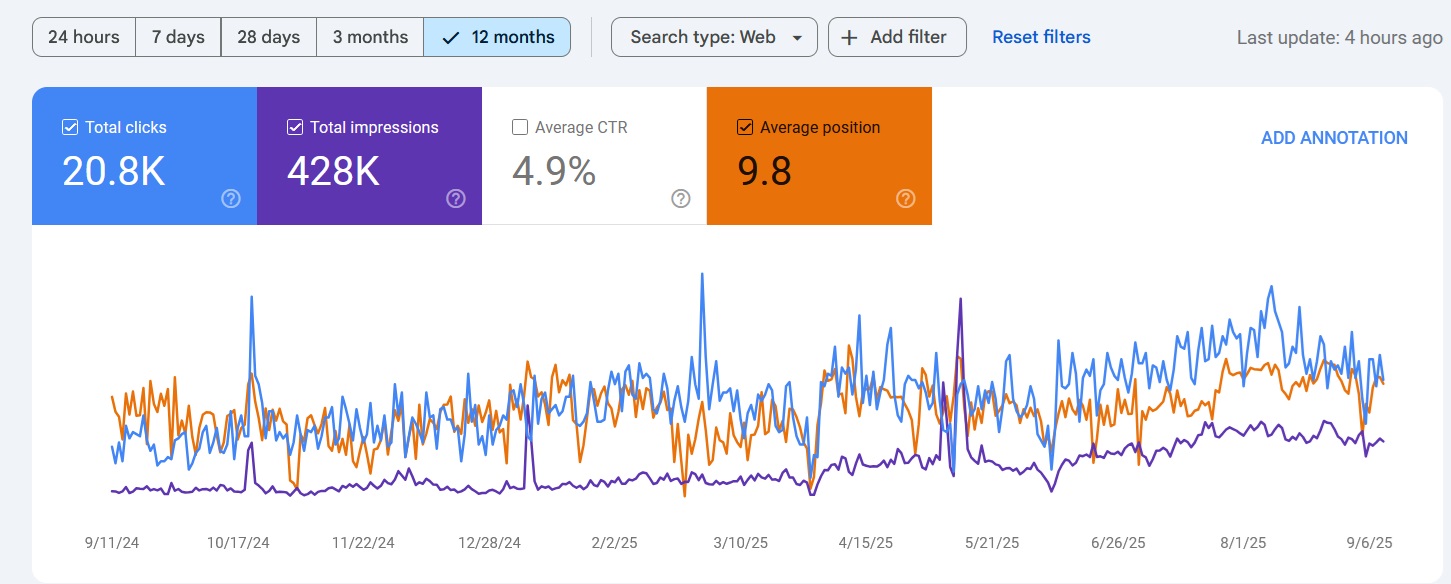
300% Increase in Qualified Traffic
What Roofers Say
The 180-Day Roofing SEO Roadmap
See how we optimize the profile, build the website, and earn local-pack rankings over a 6-month engagement.
Month 1: Profile Audit and Setup
- Category and Field Fixes: Setting the primary category, secondary categories, description, services, and service areas.
- NAP Cleanup: Correcting the name, address, and phone number across the profile, the website, and the directory citations.
Month 2: Reviews and Media
- Review System: Setting up a steady request flow and replying to every review, positive and negative.
- Photo and Post Cadence: Uploading job photos from each completed roof and publishing profile posts twice a month.
Month 4: Citations and Site Support
- Citation Building: Adding consistent listings on the directories that feed prominence for a service area.
- Service-Area Pages: Building city pages on the website that reinforce the profile's service areas.
Month 6: Local-Pack Rankings and Leads
- Map-Pack Position: Reaching the top 3 of the local pack for core roofing queries in the served cities.
- Lead Tracking: Measuring calls and direction requests from the profile against the cost of paid leads.
Owning Search Demand vs Renting It From Lead Platforms
If you pay Angi or Google Ads, you are renting visibility. The moment you stop paying, your pipeline dries up. Ranking the profile and the website for high-intent local searches builds permanent digital equity.
Shared Lead Platforms (Angi, HomeAdvisor)
- The Race to the Bottom: Shared leads force you to slash prices to win against 5 other roofers.
- Low Intent: Half the time they aren't ready to buy, they were just clicking around online.
Local Search SEO (Our Approach)
- 100% exclusive, direct-to-you inbound calls.
- Highest closing rate. They chose YOU from the local pack.
- Compounding ROI. You don't pay per click.
We Identify Search Intent Using Industry-Leading Data Tools




Expertise Built on Data.
Not Guesswork.
I'm Nizam Ud Deen, and I don't build generic websites. I build search intent engines specifically for the roofing industry.
For years, I've watched roofers burn money on agencies that brag about "traffic" while the phones stay silent. Traffic without intent is worthless. My system maps exactly how homeowners search during storms, when comparing prices, and when they're ready to buy, and intercepts them at every stage.
The No-Brainer Roofing SEO Guarantee
We don't guarantee "traffic" or "rankings." We guarantee high-intent leads.
"We guarantee to generate 15 exclusive, inbound replacement or repair leads per month within the first 180 days, driven entirely by high-intent organic search. If we don't hit that metric, we work for free until we do."
Measuring Success: Leads and Revenue
We don't report on vanity metrics. If traffic goes up but revenue stays flat, the strategy failed. We track the pipeline.
Call Tracking
Every keyword mapped to the exact phone call it generated.
Form Fills
Tracking estimate requests from high-intent local landing pages.
Booked Jobs
Connecting CRM data to SEO efforts to prove actual revenue return.
Cost per Lead
Monitoring organic CPL to ensure it beats shared platform costs.
The Roofing Behavior Analysis Checklist
Run each high-traffic, low-conversion roofing page through this checklist to find where the visitor drops off.
Frequently Asked Questions
Clear answers about user behavior analysis for roofing websites.
What is user behavior analysis for a roofing website?
Why do roofing visitors not convert even with traffic?
What is a session recording?
What is the difference between a heatmap and a session recording?
What bounce rate is a problem on a roofing service page?
What is a rage click?
Which tools track behavior on a roofing website?
How does scroll depth help a roofing site convert?
How is behavior analysis different from a heatmap page?
How many session recordings should I watch?
Does page speed affect roofing conversions?
How many fields should a roofing contact form have?
How often should I review roofing behavior data?
Does behavior analysis connect to actual revenue?
Get Your Free Roofing Behavior Audit
We'll read the session data and heatmaps across your roofing pages and compare the contact paths to your top 3 local competitors to show where the visitor drops off.
What You Get:
- Drop-Off Point ReviewThe exact section where scroll depth and recordings show visitors leaving each key page.
- Friction Point ScanA list of hidden calls to action, dead clicks, and form fields that lose the visitor.
More Deliverables
- Mobile Speed CheckWhich pages load over 3 seconds on mobile and lose visitors before content renders.
- Fix Priority ListThe highest-impact changes ranked for your highest-value roofing pages.
Claim your free roofing behavior audit today. No commitment required.