
Live Chat Integration for Roofing Websites
A live chat widget is a messaging window on a roofing site that lets a visitor ask a question and get an answer in real time. It captures the homeowner who would not call and would not fill a form, and turns the visit into a lead.
Free Roofing Chat and Lead-Capture Audit
Most roofing sites lose the visitor who is not ready to call. Get a free audit of how your site captures chat and form leads, with a competitor comparison and a fix list.
What Is Live Chat Integration on a Roofing Website?
Live chat integration is a real-time messaging widget added to a roofing website so a visitor can ask a question and get an answer from any page without calling or filling a form. It captures the homeowner who hesitates at the phone and the form.
A Window on Every Page
The widget sits in a corner of the screen, usually bottom-right, and stays available as the visitor moves through service, city, and storm-damage pages.
A Lower-Friction Path
A homeowner who will not commit to a phone call will often type a short question. Chat captures that visitor instead of losing them to the back button.
Distinct From the Form
A form waits for a reply later. Chat answers now, so it suits the homeowner with an active leak. See roofing lead forms.
Why Does Live Chat Matter for Roofing Companies?
Live chat matters because roofing visits carry urgency and high job value, and a homeowner who cannot get an answer in the moment moves on to the next contractor. Speed of reply decides who wins the job.
Speed of Reply Wins the Lead
- Research on lead response time, reported across studies, finds that replying within about five minutes lifts conversion sharply against a reply 30 minutes later.
- A homeowner with a leaking roof rarely waits for a callback the next morning.
- Chat answers in the window when the homeowner is still on the page and still deciding.
Each Visit Is Worth Real Money
- A roof replacement or storm repair often runs into five figures, so a single captured chat can be worth a large job.
- The crew is on a roof during the day and cannot answer the phone, yet the website still receives visitors.
- Chat covers the hours the office line goes unanswered. See conversion optimization for roofers.
What Are the Three Types of Roofing Chat?
Roofing chat runs in three models: human live chat, an automated chatbot, and a hybrid that starts with automation and hands off to a person. The right model depends on call volume and the hours the office can staff.
Human Live Chat
A staff member or an outside receptionist answers in real time. It reads as personal, but it only works during the hours the chat is staffed.
Automated Chatbot
A scripted or AI widget answers common questions, collects contact details, and runs around the clock, including nights and weekends when no one is at the desk.
Hybrid Chat
The bot handles the first reply and the simple questions, then routes a serious lead to a person. It pairs constant coverage with a human close.
Answer the Homeowner Before a Competitor Does
A roofing visitor with a leak rarely waits. We set up chat that replies in the moment and routes the serious lead to your phone, so the call lands on you instead of the next contractor.
Call Now For PricingOr call +1 272-207-3231
How Do You Set Up Live Chat on a Roofing Site?
Set up chat in a fixed order: place the widget, define who answers, write the first messages, and route the captured lead. The routing step decides whether a chat becomes a booked job or a lost transcript.
The Four Setup Steps
- Place the widget bottom-right so it sits where visitors expect chat, on every page of the site.
- Decide the model: human, bot, or hybrid, and set the hours each covers.
- Write the opening message and the qualifying questions in plain words.
- Route the lead to a phone or an inbox so a person follows up fast.
Keep It Off the Critical Path
Load the chat script after the page content so it does not slow the first paint. A widget that delays the page hurts the visit it was meant to save. See technical SEO for roofers for load and speed.
What Should the Chat Ask to Qualify a Roofing Lead?
Qualify the lead with four short questions: the service needed, the location, the urgency, and a way to reach the homeowner. Keep the count low so the visitor finishes the chat.
The Four Questions That Score a Lead
- The service: repair, replacement, inspection, or storm damage.
- The location, so the lead matches a served city.
- The urgency: an active leak today against planning for spring.
- A phone or email, so the lead does not vanish when the visitor leaves.
Ask Less, Capture More
Each extra question loses a share of visitors. Ask only what routes the lead and confirms it is in the service area. The rest can wait for the call back from a person.
When Should a Roofing Chat Open on Its Own?
Open the chat with a proactive trigger when the visitor shows intent: time on a service page, an exit-intent move toward the back button, or a visit to a storm-damage page. A relevant prompt beats a blank widget.
Time-on-Page Trigger
After a set number of seconds on a service page, the chat can open with a line such as, Need a roof inspection today? It meets a visitor who is already reading.
Exit-Intent Trigger
When the cursor moves to leave, a prompt such as, Want a quote in 60 seconds? offers one more path before the visitor closes the tab.
Page-Context Trigger
On a storm-damage page, a line such as, Storm damage? Get a free estimate, matches the reason the homeowner is on that page.
Does Live Chat Cover the After-Hours Roofing Lead?
A chatbot or hybrid setup covers the nights, weekends, and storm windows when the office line goes unanswered. Roofing demand spikes outside business hours, exactly when a human-only line cannot respond.
The After-Hours Moments That Convert
- An active leak during heavy overnight rain.
- Hail or wind damage spotted the morning after a storm.
- A weekend or holiday emergency when the office is closed.
- A late-night question about an insurance claim.
Capture Now, Call Back Fast
The bot does not have to close the job at midnight. It captures the name, the address, and the problem, then queues the lead so a person calls back first thing, before a competitor reaches them.
How Should Roofing Chat Work on a Phone?
Build the chat for mobile first, since most roofing traffic arrives on a phone, where typing is harder and the widget can cover the screen. A chat that blocks the content costs the visit it was meant to capture.
Mobile Rules for the Widget
- Use a large tap target the thumb can reach, not a tiny icon.
- Offer tap-to-select answers so the visitor avoids typing.
- Keep the open chat from hiding the call button or the page text.
Pair Chat With a Tap to Call
On a phone, some homeowners would rather dial than type. Keep the call button reachable alongside the chat. See click-to-call buttons and mobile UX optimization.
Stop Losing the Visitor Who Will Not Call
Most roofing sites lose the majority of visitors with no contact captured. A chat widget that answers in the moment turns a share of that lost traffic into named leads in your inbox.
Call Now For PricingOr call +1 272-207-3231
Common Live Chat Mistakes Roofers Make
Roofing sites waste chat through six recurring mistakes, each one fixable in the widget settings or the follow-up process.
Setup and Response Errors
- Leaving the chat live with no one answering, so a question sits unread for hours.
- No after-hours coverage, so storm and weekend leads go uncaptured.
- A slow follow-up that lets a competitor reach the homeowner first.
Friction and Upkeep Errors
- Asking too many questions before the visitor sees any value.
- A widget that covers the call button or the content on a phone.
- A script that never gets reviewed, so it gives wrong or stale answers.
How Does Chat Fit With Forms and Calls?
Chat sits beside the form and the call as a third path that fits the homeowner who wants an answer now but is not ready to dial. The three paths cover different comfort levels, so a page should offer all three.
The Call for the Ready Buyer
A homeowner with an emergency wants a person on the line now. Keep the phone number and the tap-to-call button in plain reach on every page.
The Form for the Planner
A homeowner planning a replacement is fine waiting for a reply. A short lead form captures that visitor without pressure.
Chat for the Undecided
A homeowner with one question, not ready to call or commit to a form, will often type it. Chat captures that visitor in the gap between the other two.
Proof of Performance
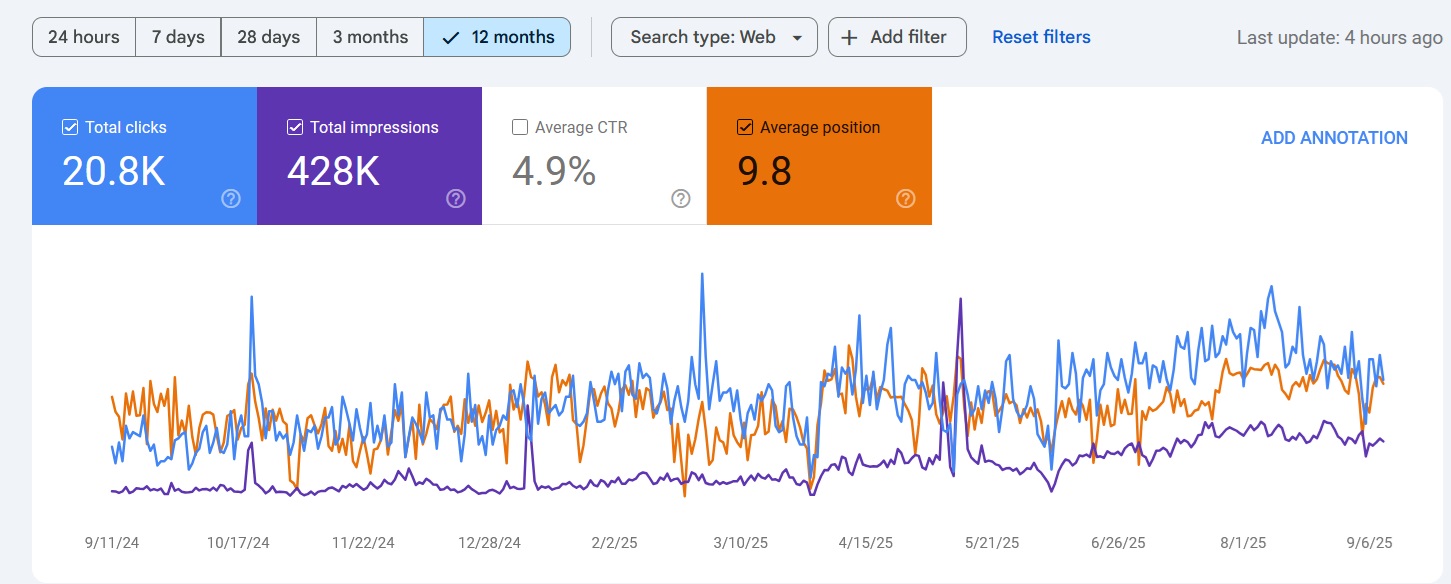
Results from roofing campaigns that rank in local search.
Map Pack Rankings
Ranked in Local Search Within 90 Days
Review Velocity
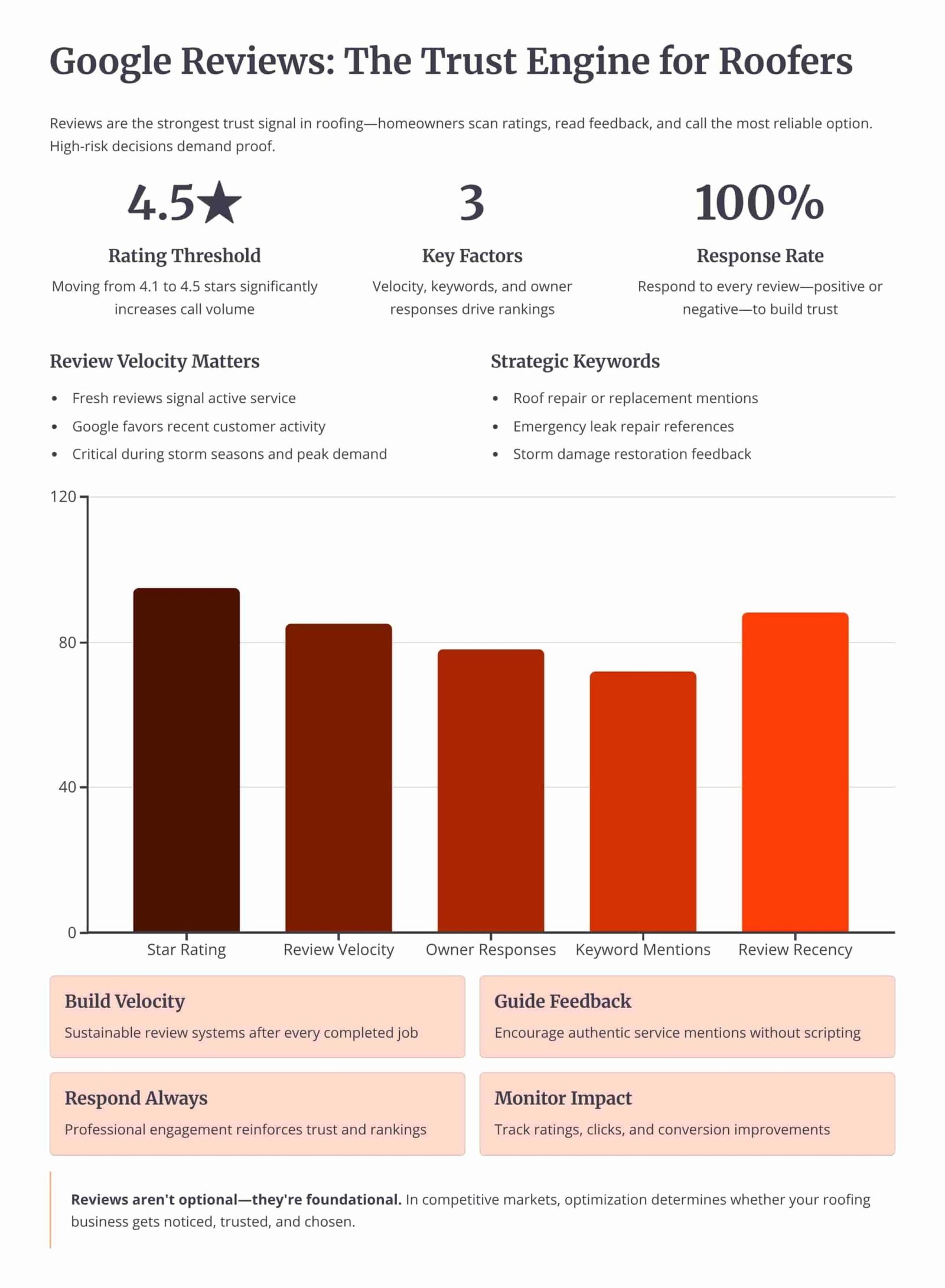
150+ 5-Star Reviews Generated
Organic Traffic
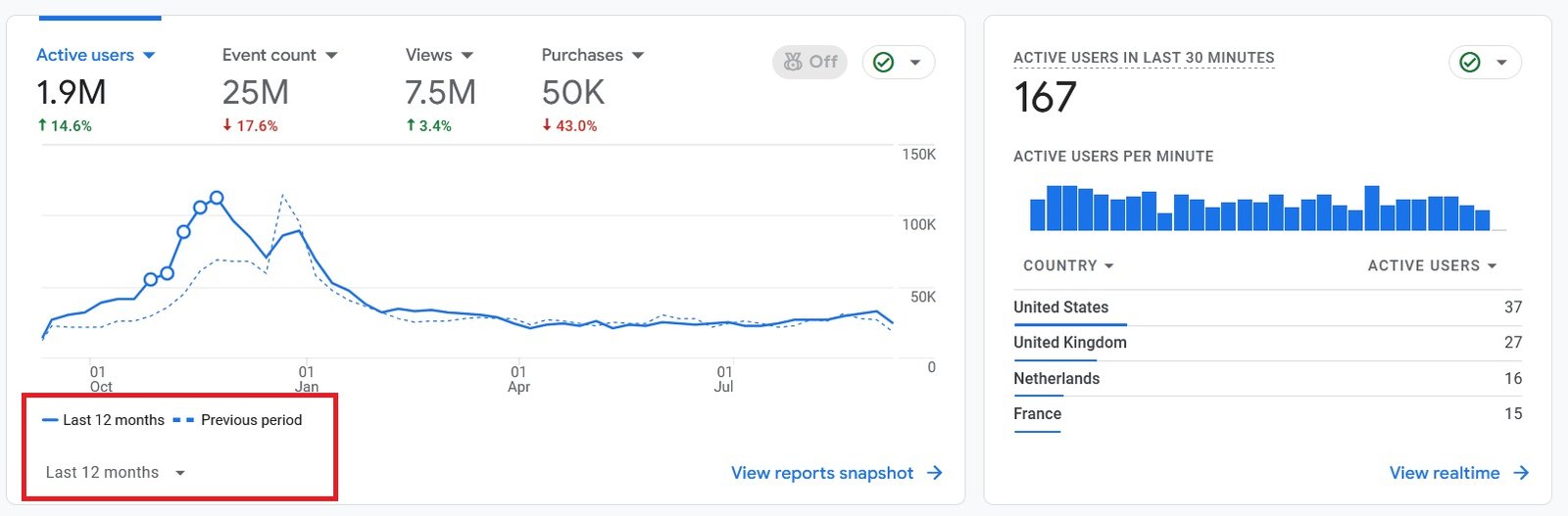
300% Increase in Qualified Traffic
What Roofers Say
The 180-Day Roofing SEO Roadmap
See how we optimize the profile, build the website, and earn local-pack rankings over a 6-month engagement.
Month 1: Profile Audit and Setup
- Category and Field Fixes: Setting the primary category, secondary categories, description, services, and service areas.
- NAP Cleanup: Correcting the name, address, and phone number across the profile, the website, and the directory citations.
Month 2: Reviews and Media
- Review System: Setting up a steady request flow and replying to every review, positive and negative.
- Photo and Post Cadence: Uploading job photos from each completed roof and publishing profile posts twice a month.
Month 4: Citations and Site Support
- Citation Building: Adding consistent listings on the directories that feed prominence for a service area.
- Service-Area Pages: Building city pages on the website that reinforce the profile's service areas.
Month 6: Local-Pack Rankings and Leads
- Map-Pack Position: Reaching the top 3 of the local pack for core roofing queries in the served cities.
- Lead Tracking: Measuring calls and direction requests from the profile against the cost of paid leads.
Owning Search Demand vs Renting It From Lead Platforms
If you pay Angi or Google Ads, you are renting visibility. The moment you stop paying, your pipeline dries up. Ranking the profile and the website for high-intent local searches builds permanent digital equity.
Shared Lead Platforms (Angi, HomeAdvisor)
- The Race to the Bottom: Shared leads force you to slash prices to win against 5 other roofers.
- Low Intent: Half the time they aren't ready to buy, they were just clicking around online.
Local Search SEO (Our Approach)
- 100% exclusive, direct-to-you inbound calls.
- Highest closing rate. They chose YOU from the local pack.
- Compounding ROI. You don't pay per click.
We Identify Search Intent Using Industry-Leading Data Tools




Expertise Built on Data.
Not Guesswork.
I'm Nizam Ud Deen, and I don't build generic websites. I build search intent engines specifically for the roofing industry.
For years, I've watched roofers burn money on agencies that brag about "traffic" while the phones stay silent. Traffic without intent is worthless. My system maps exactly how homeowners search during storms, when comparing prices, and when they're ready to buy, and intercepts them at every stage.
The No-Brainer Roofing SEO Guarantee
We don't guarantee "traffic" or "rankings." We guarantee high-intent leads.
"We guarantee to generate 15 exclusive, inbound replacement or repair leads per month within the first 180 days, driven entirely by high-intent organic search. If we don't hit that metric, we work for free until we do."
Measuring Success: Leads and Revenue
We don't report on vanity metrics. If traffic goes up but revenue stays flat, the strategy failed. We track the pipeline.
Call Tracking
Every keyword mapped to the exact phone call it generated.
Form Fills
Tracking estimate requests from high-intent local landing pages.
Booked Jobs
Connecting CRM data to SEO efforts to prove actual revenue return.
Cost per Lead
Monitoring organic CPL to ensure it beats shared platform costs.
The Roofing Live Chat Setup Checklist
Run the chat widget through this checklist to confirm it captures and routes a roofing lead instead of sitting idle.
Frequently Asked Questions
Clear answers about live chat integration for roofing websites.
What is live chat integration on a roofing website?
Does a roofer need live chat or just a phone number?
What are the three types of roofing chat?
How fast should a roofer reply to a chat lead?
What should the chat ask to qualify a roofing lead?
Should a roofing chatbot run after business hours?
When should a roofing chat open on its own?
Does live chat slow down a roofing website?
How should live chat work on a phone?
Where should the chat widget sit on the page?
Is live chat better than a contact form for roofers?
What live chat mistakes cost roofers leads?
How does chat fit with the rest of the page?
Does adding live chat affect SEO rankings?
Get Your Free Roofing Chat and Lead-Capture Audit
We'll review how your roofing site captures leads through chat, forms, and calls, and compare it to your top 3 local competitors to show where the visitor slips away.
What You Get:
- Chat and Capture ReviewA check of where and how the site captures a lead through chat, the form, and the call.
- After-Hours Coverage CheckWhether the site can capture a storm or weekend lead when the office is closed.
More Deliverables
- Mobile Friction CheckWhether the chat widget covers the call button or the content on a phone.
- Qualifying Script SamplesDrafted opening messages and qualifying questions for your highest-value pages.
Claim your free roofing chat and lead-capture audit today. No commitment required.