
HTTPS and Security for Roofing Websites
HTTPS is the encrypted version of HTTP that protects data between a roofing website and its visitors, removes the browser "Not Secure" warning, and serves as a confirmed Google ranking signal.
Free Roofing Website Security Audit
Many roofing sites carry mixed-content warnings or incomplete HTTPS redirects. Get a free audit that flags every security issue and a plan to clear the "Not Secure" warning.
What Is HTTPS for a Roofing Website?
HTTPS is the encrypted version of the HTTP protocol that secures the data sent between a roofing website and a visitor's browser.
The "S" Means Secure
The S in HTTPS stands for secure. An SSL/TLS certificate encrypts the connection so a contact form or quote request cannot be read in transit.
The Padlock Icon
A browser shows a padlock for a secure roofing site and a "Not Secure" label for one still on plain HTTP, a label a homeowner sees before reading any service.
A Ranking Signal
Google confirmed HTTPS as a ranking signal years ago, so a secure roofing site holds a small edge over an insecure one. See roofing technical SEO.
Why Does HTTPS Matter for a Roofing Website?
HTTPS matters because a roofing website collects sensitive homeowner data and a security warning turns visitors away before they call.
Roofing Forms Carry Sensitive Data
- Quote and inspection forms collect a name, address, and phone number.
- Insurance-claim forms hold particularly sensitive homeowner details.
- HTTPS encrypts each submission so the data stays private in transit.
A Warning Costs Calls and Forms
- The "Not Secure" label appears prominently on mobile, where most roofing searches happen.
- The page author reports security warnings can reduce form submissions by up to 70 percent and raise bounce rates.
- An emergency leak search ends fast when the browser flags the site.
How Does HTTPS Work on a Roofing Site?
HTTPS works by using an SSL/TLS certificate to encrypt the connection between the roofing website's server and the visitor's browser. The certificate proves the site is the one it claims to be, then the two ends exchange data over an encrypted channel.
The TLS Certificate
An SSL/TLS certificate, often free through Let's Encrypt or the host, identifies the roofing site and enables the encrypted handshake.
The Encrypted Channel
Once the handshake completes, the form data and page traffic travel encrypted, so a third party on the network cannot read them.
Modern Protocols
HTTPS unlocks HTTP/2 and HTTP/3, which load a roofing site faster and help Core Web Vitals scores.
Clear the "Not Secure" Warning
A "Not Secure" label on a roofing site turns away homeowners mid-search. We install the certificate and fix the redirects so the padlock shows on every page.
Call Now For PricingOr call +1 272-207-3231
What Is Mixed Content on a Roofing Site?
Mixed content is a secure HTTPS page that still loads an image, script, or stylesheet over insecure HTTP. The browser flags the page even though the certificate is valid, so the padlock turns into a warning.
Where Mixed Content Hides on Roofing Sites
- A hardcoded http:// image URL in a project gallery or before-after slider.
- An old map embed, font, or review widget called over HTTP.
- A hero or logo image still pointing at the pre-migration address.
How to Find and Fix It
The browser console lists each insecure resource. Update every internal URL to https:// across pages, the theme, and the database, then recheck until the padlock returns. The page author reports about 30 percent of roofing sites with partial security still show mixed-content errors.
How Does HTTPS Affect Roofing SEO?
HTTPS affects roofing SEO as a confirmed Google ranking signal and as the base that several other technical signals depend on. An HTTPS migration done wrong can drop rankings, so the technical setup has to be clean.
The Direct Ranking Effect
- Google confirmed HTTPS as a lightweight ranking signal, so a secure roofing site holds a small edge.
- HTTP/2 and HTTP/3 on HTTPS load pages faster, which feeds Core Web Vitals.
- A secure site keeps visitors on the page, an engagement signal a warning erodes.
The Technical Setup a Migration Needs
- A 301 redirect from every HTTP URL to its HTTPS version, with no redirect chains.
- Canonical tags that point to the HTTPS URLs only.
- An XML sitemap that lists secure URLs, plus internal links updated to https://.
- Run the migration through a technical site audit to confirm it.
What Does HTTPS Do for Roofing Lead Generation?
HTTPS supports roofing lead generation through three mechanisms: it builds trust with the padlock, removes the warning that adds friction, and lifts the conversion rate on a secure site.
Trust Through the Padlock
A homeowner reads the padlock as a sign the roofing company is established, before evaluating the services on the page.
Friction Removed
Clearing the "Not Secure" label removes the moment of doubt that stops a homeowner from filling a quote form or tapping to call.
Higher Conversion
A secure roofing site converts more visitors into calls and form fills than an insecure competitor that still shows the warning.
Why Does a Data Breach Hurt a Roofing Company?
A data breach hurts a roofing company through recovery cost, lost trust in a local market, and the reputation damage that follows an exposed customer list. HTTPS closes one of the entry points that lead to a breach.
The Cost the Page Author Cites
- The page author cites an average breach cost near 4.5 million dollars for a small business, including recovery and legal fees.
- The author states around 60 percent of small businesses close within 6 months of a breach.
- The author notes breaches take around 280 days on average to identify.
Reputation in a Local Market
A roofing company sells trust to homeowners in one service area. An exposed customer list spreads through that market, so the security setup protects the brand as much as the data.
What Are the Common HTTPS Mistakes on Roofing Sites?
Roofing sites lose the security benefit through a handful of recurring HTTPS mistakes, most of them from a DIY migration left half done.
Migration and Redirect Errors
- Incomplete redirects that leave some HTTP pages reachable.
- Canonical tags that still point at the old HTTP URLs.
- An XML sitemap that lists insecure URLs after the move.
Content and Link Errors
- Mixed-content errors from images and scripts loaded over HTTP.
- Broken internal links left pointing at HTTP addresses.
- An expired certificate that no one renews, which returns the warning.
A Secure Site Converts More Roofing Leads
The page author reports about 45 percent of roofing contractor sites are fully secure, which leaves room to gain on competitors still flagged as insecure. We handle the migration end to end.
Call Now For PricingOr call +1 272-207-3231
Proof of Performance
Results from roofing campaigns that rank in local search.
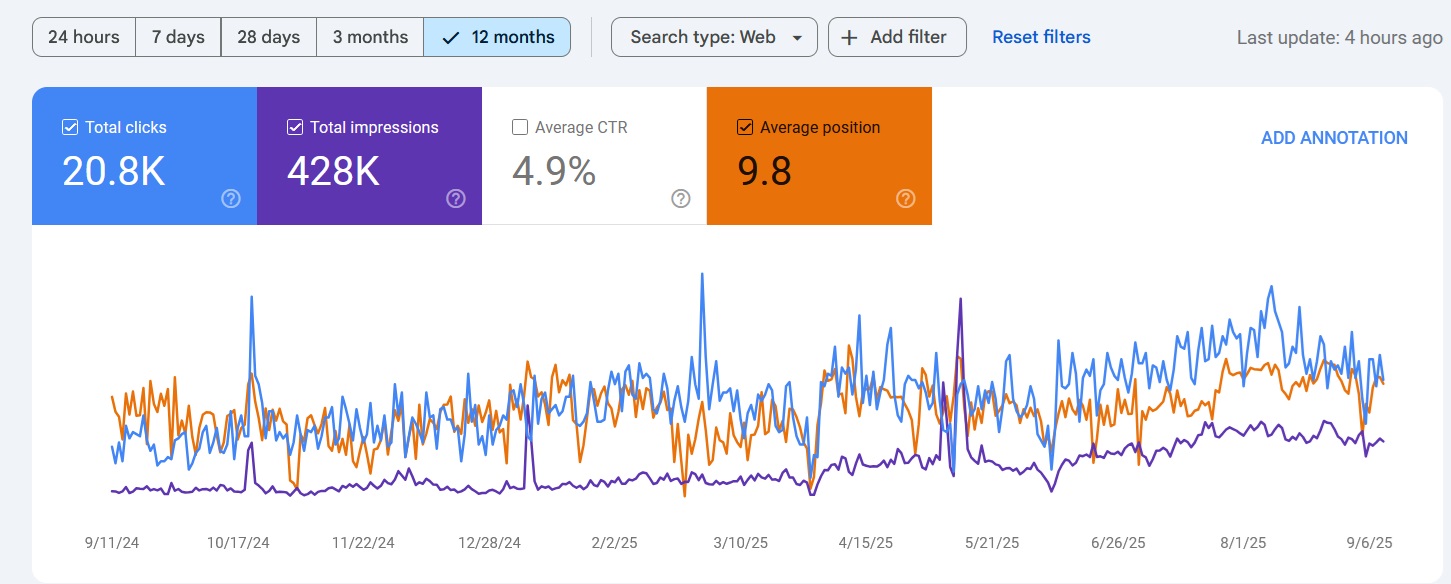
Map Pack Rankings
Ranked in Local Search Within 90 Days
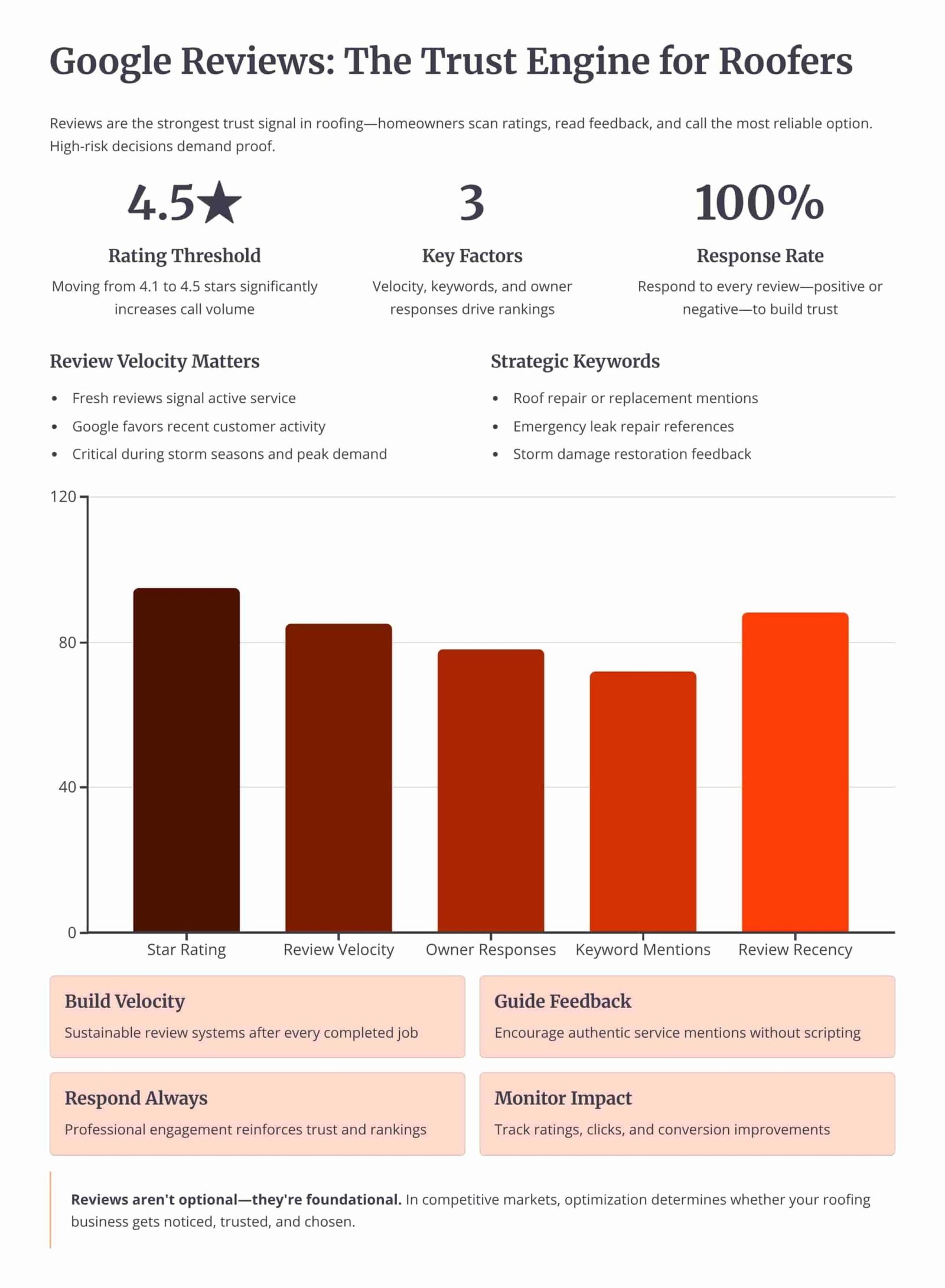
Review Velocity
150+ 5-Star Reviews Generated
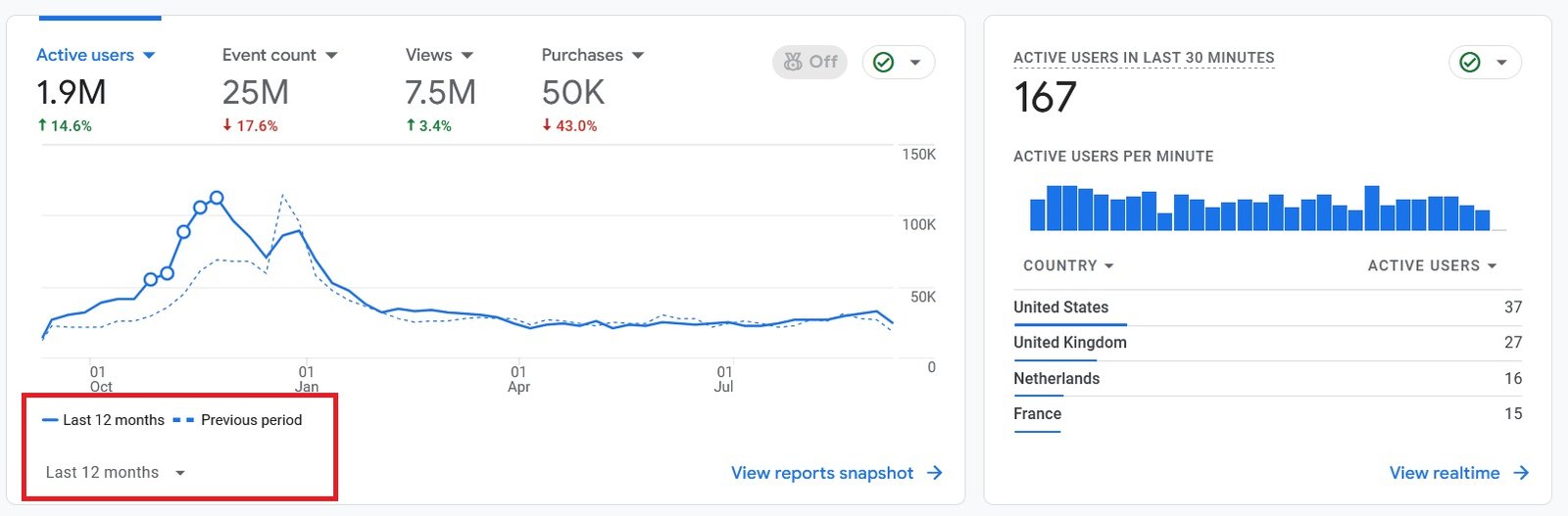
Organic Traffic
300% Increase in Qualified Traffic
What Roofers Say
The 180-Day Roofing SEO Roadmap
See how we optimize the profile, build the website, and earn local-pack rankings over a 6-month engagement.
Month 1: Profile Audit and Setup
- Category and Field Fixes: Setting the primary category, secondary categories, description, services, and service areas.
- NAP Cleanup: Correcting the name, address, and phone number across the profile, the website, and the directory citations.
Month 2: Reviews and Media
- Review System: Setting up a steady request flow and replying to every review, positive and negative.
- Photo and Post Cadence: Uploading job photos from each completed roof and publishing profile posts twice a month.
Month 4: Citations and Site Support
- Citation Building: Adding consistent listings on the directories that feed prominence for a service area.
- Service-Area Pages: Building city pages on the website that reinforce the profile's service areas.
Month 6: Local-Pack Rankings and Leads
- Map-Pack Position: Reaching the top 3 of the local pack for core roofing queries in the served cities.
- Lead Tracking: Measuring calls and direction requests from the profile against the cost of paid leads.
Owning Search Demand vs Renting It From Lead Platforms
If you pay Angi or Google Ads, you are renting visibility. The moment you stop paying, your pipeline dries up. Ranking the profile and the website for high-intent local searches builds permanent digital equity.
Shared Lead Platforms (Angi, HomeAdvisor)
- The Race to the Bottom: Shared leads force you to slash prices to win against 5 other roofers.
- Low Intent: Half the time they aren't ready to buy, they were just clicking around online.
Local Search SEO (Our Approach)
- 100% exclusive, direct-to-you inbound calls.
- Highest closing rate. They chose YOU from the local pack.
- Compounding ROI. You don't pay per click.
We Identify Search Intent Using Industry-Leading Data Tools




Expertise Built on Data.
Not Guesswork.
I'm Nizam Ud Deen, and I don't build generic websites. I build search intent engines specifically for the roofing industry.
For years, I've watched roofers burn money on agencies that brag about "traffic" while the phones stay silent. Traffic without intent is worthless. My system maps exactly how homeowners search during storms, when comparing prices, and when they're ready to buy, and intercepts them at every stage.
The No-Brainer Roofing SEO Guarantee
We don't guarantee "traffic" or "rankings." We guarantee high-intent leads.
"We guarantee to generate 15 exclusive, inbound replacement or repair leads per month within the first 180 days, driven entirely by high-intent organic search. If we don't hit that metric, we work for free until we do."
Measuring Success: Leads and Revenue
We don't report on vanity metrics. If traffic goes up but revenue stays flat, the strategy failed. We track the pipeline.
Call Tracking
Every keyword mapped to the exact phone call it generated.
Form Fills
Tracking estimate requests from high-intent local landing pages.
Booked Jobs
Connecting CRM data to SEO efforts to prove actual revenue return.
Cost per Lead
Monitoring organic CPL to ensure it beats shared platform costs.
The Roofing Website HTTPS Security Checklist
Run the roofing site through this checklist to confirm HTTPS is complete, the padlock shows, and no insecure resource remains.
Frequently Asked Questions
Clear answers about HTTPS and security for roofing websites.
What is HTTPS for a roofing website?
Why does HTTPS matter for a roofing website?
How does HTTPS work on a roofing site?
What is the difference between HTTP and HTTPS?
What is an SSL certificate and does a roofer need one?
What does the "Not Secure" warning mean on a roofing site?
What is mixed content and how do I fix it?
Is HTTPS a Google ranking factor for roofing sites?
How do I migrate a roofing website to HTTPS without losing rankings?
Does HTTPS make a roofing website faster?
Does HTTPS affect how many roofing leads a site gets?
How much does HTTPS cost for a roofing website?
What happens if a roofing site's SSL certificate expires?
What are common HTTPS mistakes roofers make?
Get Your Free Roofing Website Security Audit
We'll check the certificate, redirects, and mixed content on your roofing site to show you exactly where the security setup loses trust and rankings.
What You Get:
- Certificate and Redirect ReviewA check of the SSL/TLS certificate and the HTTP-to-HTTPS redirects.
- Mixed-Content ScanA list of every image and script still loading over HTTP.
More Deliverables
- Canonical and Sitemap CheckA scan for canonical tags or sitemap URLs still pointing at HTTP.
- Certificate Expiry StatusThe renewal date and whether auto-renewal is set so it never lapses.
Claim your free roofing website security audit today. No commitment required.