Entity-Based SEO for Roofers
Get Google to recognize your roofing company as a real-world entity with services, materials, and a service area, instead of a page that matches a keyword string.

Free Roofing Entity Audit
Most roofing sites send Google mixed entity signals: inconsistent name and address, thin content, and disconnected pages. Get a free entity audit with a competitor comparison and a fix list.
What Is Entity-Based SEO?
Entity-based SEO is the practice of optimizing for entities and their relationships instead of keyword strings, so Google understands your roofing company as a real-world thing rather than a page that repeats a phrase. An entity is anything that exists distinctly: the company, a material like asphalt shingles, a city, or a service like roof replacement.
An Entity, Not a String
A string is the literal text "roof repair". An entity is the concept of roof repair, with attributes and links to materials, problems, and locations that Google holds in its knowledge graph.
Your Company as an Entity
Google treats a roofing company as a brand entity with a name, an address, a phone, a service area, reviews, and a service list, all confirmed across the web.
Built on the Knowledge Graph
Google holds billions of entities and the relationships between them. Entity SEO aligns your site with that model. See the entity SEO hub.
Why Keyword-Only SEO Falls Short for Roofers
Keyword-only SEO falls short because it targets single phrases with disconnected pages, while Google now evaluates a roofing business through entity signals such as consistent business data, service depth, reviews, and the links between topics.
Keyword Rankings Are Fragile
- A page tuned to one phrase can drop with the next algorithm update.
- Disconnected blog posts build no relationship between your services and materials.
- A competitor with stronger entity signals can pass a keyword-focused site that ranks above it today.
Entity Signals Are Durable
- Once Google understands your company as an entity, it can rank you for many related searches at once.
- Reviews, citations, and accumulated authority cannot be copied overnight by a new competitor.
- The signals support each other, so the position holds through updates. See on-page SEO for roofers.
How Does Google Identify a Roofing Business as an Entity?
Google identifies a roofing entity through four signals: consistent business information, depth of service coverage, review validation, and the semantic relationships between content.
Consistent Business Data
The name, address, and phone must match across the website, the Google Business Profile, citations, and directories, so Google reads one company, not several.
Service Coverage Depth
Content that covers services, materials, problems, and solutions signals real expertise, while a thin site signals a shallow entity.
Review Validation
Customer reviews give third-party confirmation that the company exists and delivers the service, which strengthens the entity in Google's view.
The Roofing Entity Clusters That Build Authority
Build content around four entity clusters: problems, materials, services, and locations. Each cluster is a group of related entities you cover and connect, so the site reads as a complete roofing topic rather than a set of stray pages.
Problem and Material Entities
- Problem entities: roof leaks, missing shingles, storm damage, each linking to the service that fixes it.
- Material entities: asphalt shingles, metal roofing, tile, each showing specialized knowledge.
- Covering both tells Google you understand the problems homeowners face and the materials you work with.
Service and Location Entities
- Service entities: installation, repair, replacement, maintenance, defining what you do.
- Location entities: cities, neighborhoods, and service areas that set local relevance.
- Linking services to the cities you serve is the core of entity-based local relevance.
Build an Entity Competitors Cannot Copy
A new competitor can copy your site layout in an afternoon. They cannot copy years of reviews, citations, and connected content. We build the entity signals that hold your position.
Call Now For PricingOr call +1 272-207-3231
How Entity SEO Builds Topical Authority for Roofers
Topical authority is the foundation of entity-based SEO, built by content clusters that connect services, materials, problems, and solutions instead of disconnected posts. A hub-and-spoke model carries that structure.
The Hub-and-Spoke Model
- Core service pages act as hubs that cover a broad topic such as roof replacement.
- Spoke pages go deeper into materials, costs, or problems tied to that hub.
- Each spoke strengthens the hub, and the hub gives context to each spoke.
Rank Without Targeting Every Phrase
Once the entity is established, the connected content lets the site rank for hundreds of related roofing searches without a separate page tuned to each one. See the entity SEO hub for the wider method.
Mapping the Roofing Service Lifecycle to Entities
Map content to the roofing service lifecycle: inspection, repair, replacement, and maintenance. Each stage is its own entity cluster, covered in full and linked to the next, so the site reads as a complete customer journey.
Inspection and Diagnosis
Content on inspections, leak detection, and storm assessments forms the first cluster a homeowner meets, and it links to the repair stage.
Repair and Replacement
Repair and replacement clusters cover the work itself, the materials used, and the warranties, and connect back to the problems that prompt the job.
Maintenance and Care
Maintenance content closes the loop, covering upkeep that extends roof life, and links homeowners back toward inspection when the cycle repeats.
What Trust Signals Strengthen a Roofing Entity?
Trust signals are the currency of entity strength: the Google Business Profile, citations, reviews, certifications, and manufacturer partnerships that confirm the company is real and capable.
Signals That Confirm the Entity
- The Google Business Profile, which acts as the primary entity hub.
- Consistent citations across directories.
- Customer reviews and testimonials.
- Industry certifications and manufacturer partnerships.
Why They Are Hard to Fake
A competitor can rebuild a site quickly, but accumulated reviews, citations, and authority take years to earn. That gap is what protects a strong roofing entity. See local SEO for roofers.
How Local Entity Optimization Works for Roofers
Roofing is local, so local entity optimization ties your company to genuine local context: building codes, weather patterns, area-specific roofing problems, and the cities you serve. Thin, duplicated location pages do the opposite and read as manipulation.
Genuine Local Connections
- Reference local building codes and permit context for each area.
- Name the weather patterns that drive roofing demand, such as hail or high wind.
- Cover area-specific problems rather than reusing one template across cities.
The Profile as Local Hub
The Google Business Profile is the central hub for local entity signals. Duplicate location pages with no real local content weaken the entity, since Google recognizes the pattern.
Entity Signals Compound Over Time
Keyword tactics reset with every update. Entity signals accumulate. The reviews, citations, and connected content you build this year keep working next year. We build for the long curve, not the next refresh.
Call Now For PricingOr call +1 272-207-3231
How Do You Implement Entity SEO on a Roofing Site?
Implement entity SEO through four technical pillars: schema markup, consistent business data, internal linking, and knowledge graph signals. Together they tell Google what the entity is and how its parts relate.
Schema and Consistent Data
- LocalBusiness, Service, and Review schema describe the entity in a format Google reads directly.
- The name, address, and phone stay identical across every platform.
- Consistency here removes the entity confusion that splits one company into several.
Linking and Knowledge Graph
- Internal links connect services, materials, problems, and locations into a clear map.
- Industry associations, partnerships, and authoritative mentions validate the entity off-site.
- The on-page work pairs with the off-site signals. See technical SEO for roofers.
The Google Business Profile as the Entity Hub
The Google Business Profile is the single most important entity signal for a local roofing company, the hub the rest of the entity builds on. Treat it as a channel that stays active, not a listing you set once.
Keep the Profile Active
- Publish regular posts that reflect current work and offers.
- Add fresh job photos from completed roofs.
- Reply to every review, and keep the service descriptions current.
A Channel, Not a Listing
Companies that treat the profile as an active marketing channel tend to earn better local rankings than those that leave it static. The profile feeds the entity with current proof of activity.
Common Entity SEO Mistakes Roofers Make
Roofing sites weaken their entity through four recurring mistakes, each one fixable inside the site and the profile.
Data and Content Errors
- Inconsistent business information across platforms, which creates entity confusion.
- Disconnected content that never builds topical authority.
- Thin, duplicate location pages that read as manipulation and weaken signals.
Profile and Upkeep Errors
- A neglected Google Business Profile treated as a static listing.
- No internal links between services, materials, and locations.
- Skipping schema, so Google has to infer the entity from text alone.
Proof of Performance
Results from roofing campaigns that rank in local search.
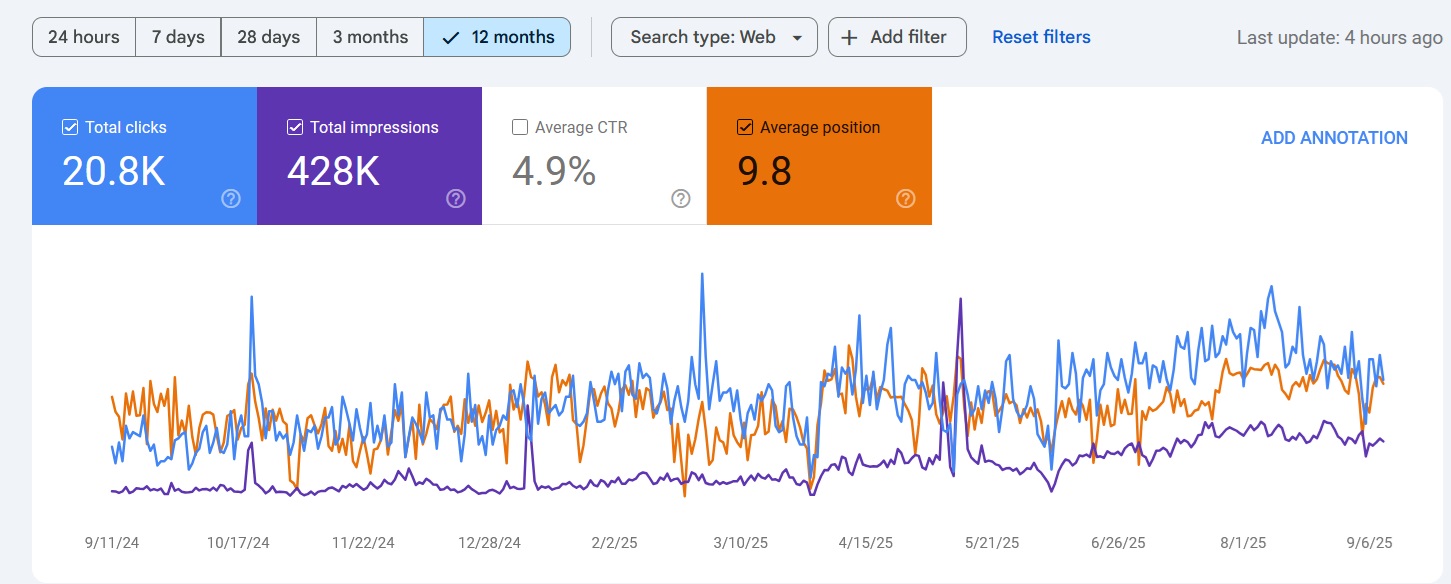
Map Pack Rankings
Ranked in Local Search Within 90 Days
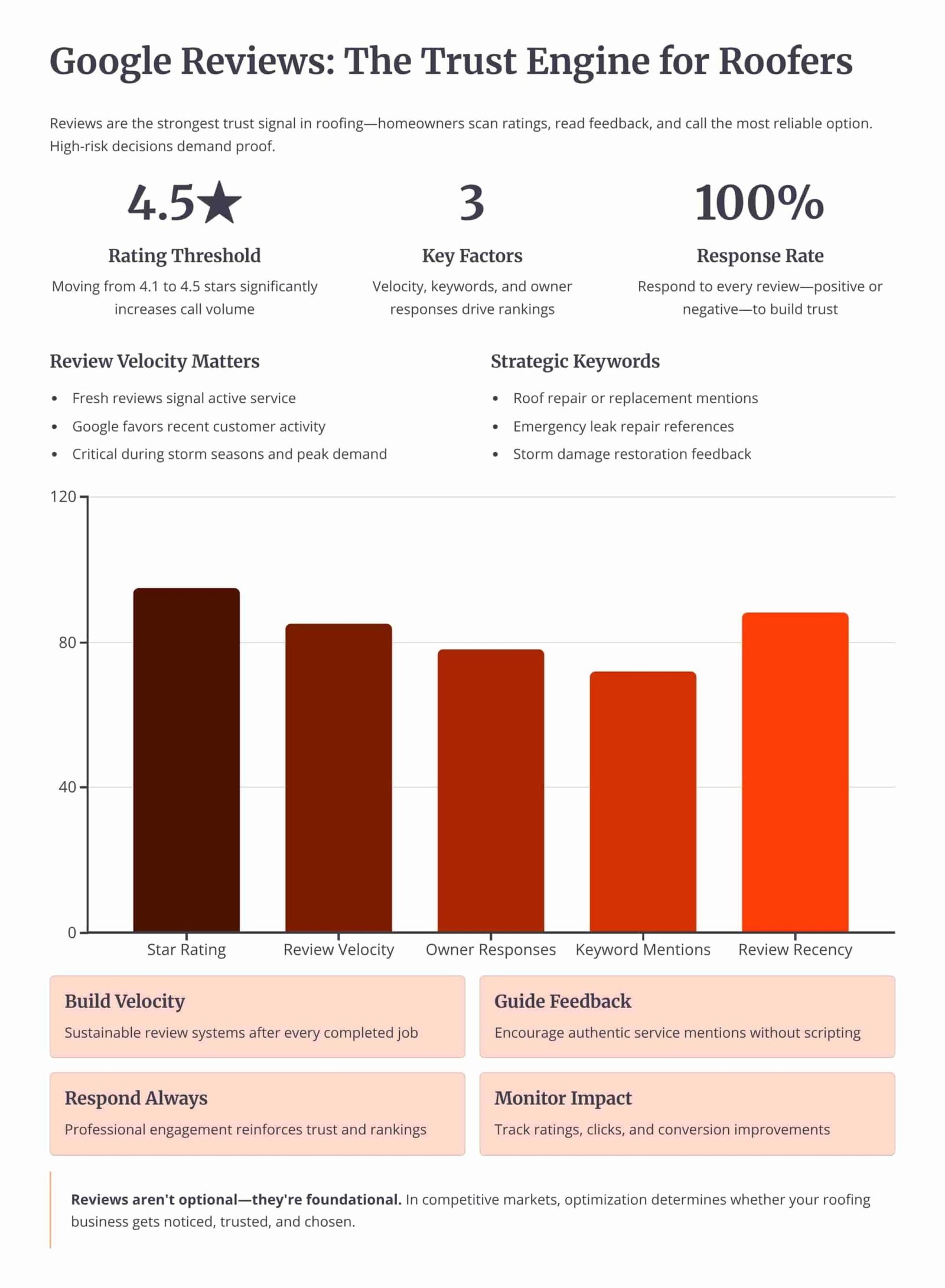
Review Velocity
150+ 5-Star Reviews Generated
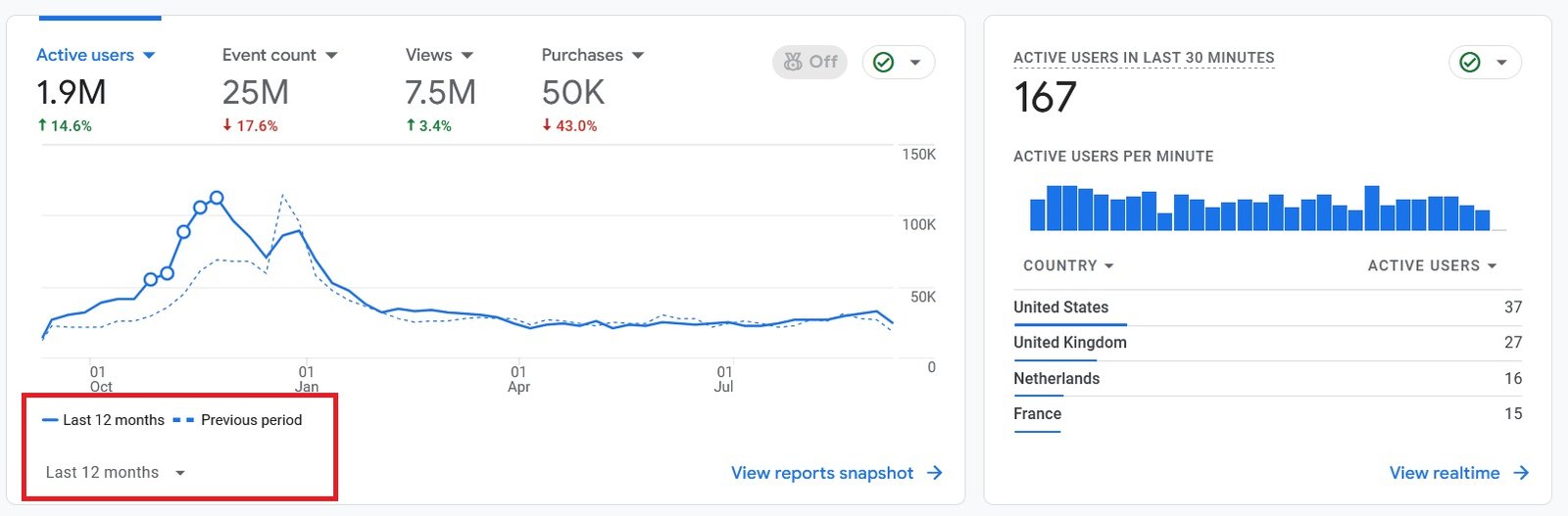
Organic Traffic
300% Increase in Qualified Traffic
What Roofers Say
The 180-Day Roofing SEO Roadmap
See how we optimize the profile, build the website, and earn local-pack rankings over a 6-month engagement.
Month 1: Profile Audit and Setup
- Category and Field Fixes: Setting the primary category, secondary categories, description, services, and service areas.
- NAP Cleanup: Correcting the name, address, and phone number across the profile, the website, and the directory citations.
Month 2: Reviews and Media
- Review System: Setting up a steady request flow and replying to every review, positive and negative.
- Photo and Post Cadence: Uploading job photos from each completed roof and publishing profile posts twice a month.
Month 4: Citations and Site Support
- Citation Building: Adding consistent listings on the directories that feed prominence for a service area.
- Service-Area Pages: Building city pages on the website that reinforce the profile's service areas.
Month 6: Local-Pack Rankings and Leads
- Map-Pack Position: Reaching the top 3 of the local pack for core roofing queries in the served cities.
- Lead Tracking: Measuring calls and direction requests from the profile against the cost of paid leads.
Owning Search Demand vs Renting It From Lead Platforms
If you pay Angi or Google Ads, you are renting visibility. The moment you stop paying, your pipeline dries up. Ranking the profile and the website for high-intent local searches builds permanent digital equity.
Shared Lead Platforms (Angi, HomeAdvisor)
- The Race to the Bottom: Shared leads force you to slash prices to win against 5 other roofers.
- Low Intent: Half the time they aren't ready to buy, they were just clicking around online.
Local Search SEO (Our Approach)
- 100% exclusive, direct-to-you inbound calls.
- Highest closing rate. They chose YOU from the local pack.
- Compounding ROI. You don't pay per click.
We Identify Search Intent Using Industry-Leading Data Tools



Expertise Built on Data.
Not Guesswork.
I'm Nizam Ud Deen, and I don't build generic websites. I build search intent engines specifically for the roofing industry.
For years, I've watched roofers burn money on agencies that brag about "traffic" while the phones stay silent. Traffic without intent is worthless. My system maps exactly how homeowners search during storms, when comparing prices, and when they're ready to buy, and intercepts them at every stage.
The No-Brainer Roofing SEO Guarantee
We don't guarantee "traffic" or "rankings." We guarantee high-intent leads.
"We guarantee to generate 15 exclusive, inbound replacement or repair leads per month within the first 180 days, driven entirely by high-intent organic search. If we don't hit that metric, we work for free until we do."
Measuring Success: Leads and Revenue
We don't report on vanity metrics. If traffic goes up but revenue stays flat, the strategy failed. We track the pipeline.
Call Tracking
Every keyword mapped to the exact phone call it generated.
Form Fills
Tracking estimate requests from high-intent local landing pages.
Booked Jobs
Connecting CRM data to SEO efforts to prove actual revenue return.
Cost per Lead
Monitoring organic CPL to ensure it beats shared platform costs.
The Roofing Entity SEO Checklist
Run your roofing site through this checklist to confirm Google can read your company as a clear entity, not a set of disconnected pages.
Frequently Asked Questions
Clear answers about entity-based SEO for roofing companies.
What is entity-based SEO in plain terms?
What is the difference between an entity and a keyword?
How does Google know my roofing company is an entity?
Is entity SEO better than keyword SEO for roofers?
What is the Google knowledge graph?
What are entity clusters for a roofing site?
How does schema markup help entity SEO?
Why is NAP consistency so important for entity SEO?
Does the Google Business Profile matter for entity SEO?
How do reviews affect my roofing entity?
Why do thin location pages hurt entity SEO?
How does internal linking support entity SEO?
How long does entity-based SEO take to work?
How do I find entity gaps against competitors?
Get Your Free Roofing Entity Audit
We'll review your business data, content depth, and internal links, then compare your entity signals to your top 3 local competitors to show where Google reads you as weak.
What You Get:
- NAP and Citation CheckA scan of where your name, address, and phone disagree across platforms.
- Content Depth ReviewWhich service, material, and problem entities your site covers and which it misses.
More Deliverables
- Schema AuditWhether LocalBusiness, Service, and Review schema are present and correct.
- Entity Gap ListTopics and service areas where competitors are weak and you can build authority.
Claim your free roofing entity audit today. No commitment required.