
Roofing Process Pages That Answer "What Happens Next?"
A roofing process page walks a homeowner through every step of a job, from the first call to the final cleanup, so the mid-funnel research that precedes a quote happens on your site instead of a competitor's.
Free Roofing Process Page Audit
Most roofing sites describe the service but never the steps. Get a free audit of your process content with a competitor comparison and a plan to capture mid-funnel research.
What Is a Roofing Process Page?
A roofing process page is a dedicated page that walks a homeowner through exactly what happens during a roofing job, from first contact to project completion.
Step-by-Step, Not a Pitch
It documents the stages of a roof replacement or repair in order, so a homeowner reads the procedure rather than a sales claim.
Mid-Funnel by Design
It answers research queries that come after awareness but before a quote, the questions a homeowner asks while deciding who to trust.
A Companion to Service Pages
The process page explains how the work happens; the roofing service page ranks for the transactional search.
Why Do Homeowners Search for the Roofing Process?
Homeowners search for the process because a roof is an expensive, disruptive purchase, and they want to know what to expect before they commit.
The Search Reflects Real Concerns
- Fear of the unknown, because a roof job is rare and costly.
- Scam prevention, since the industry carries reputation concerns.
- Timeline planning, to know how long the disruption lasts.
- Quality checks, so a homeowner can spot corner-cutting.
A Process Page Meets That Intent
A homeowner who reads "what happens during roof replacement" before calling arrives at the quote already informed, which shortens the sales conversation and raises trust in the company that supplied the answer.
How Does a Process Page Differ From a Service Page?
A process page differs from a service page by search intent: the service page targets a transactional query, while the process page targets the educational query a homeowner runs first.
Service Page
Targets transactional intent like "roof replacement near me" and converts a ready buyer into a call or a form fill.
Process Page
Targets mid-funnel intent like "what happens during roof replacement" and earns trust while a homeowner is still deciding.
Blog Post
Targets top-of-funnel awareness. A process page sits between the blog and the service page, so the three do not compete.
Turn Research Into Booked Estimates
A homeowner who reads your process before calling arrives pre-sold on the steps. We build the process pages that capture that research for you.
Call Now For PricingOr call +1 272-207-3231
What Steps Belong on a Roof Replacement Process Page?
Document the job as numbered stages in order, so a homeowner reads the full path from the first call to the final walkthrough. Each stage gets its own short block.
From First Contact to Estimate
- Initial contact, where a homeowner calls or submits a form.
- Roof inspection, where a crew documents the damage and condition.
- Written estimate, where the scope, materials, and price are set.
- Material selection, where the homeowner picks the shingle or metal system.
From Scheduling to Warranty
- Scheduling, where the start date and crew are confirmed.
- Tear-off and installation, where the old roof comes off and the new one goes on.
- Cleanup, where debris and nails are cleared from the property.
- Final walkthrough and warranty, where the work is reviewed and registered.
What Elements Make a Process Page Convert?
A process page converts when it pairs a clear step structure with timelines, role clarity, trust signals, and calls to action placed at decision points.
The Six Core Elements
- A numbered, step-by-step structure.
- A timeline for each phase of the job.
- Responsibility clarity, naming the contractor and homeowner roles.
- Visual hierarchy through headings, lists, and job images.
Trust and Action
- Trust signals such as certifications, warranties, and quality checks.
- Calls to action placed where a homeowner is ready to ask for an estimate.
- Real job photos over stock, since they show the actual procedure.
How Do Process Pages Handle Objections Before the Call?
Process pages handle objections by answering the concerns about timeline, disruption, quality, and cost before a homeowner ever picks up the phone. The page does the pre-sale work.
Objections the Page Resolves
- How long the job takes and how much disruption it causes.
- How a homeowner can tell quality work from corner-cutting.
- What the price covers and where the costs come from.
- What the homeowner has to do at each stage.
The Effect on Lead Quality
A homeowner who reads the answers first calls with fewer doubts, which qualifies the lead and shortens the sales cycle. The page that resolved the doubt earns the contact.
How Do Process Pages Build Topical Authority?
Process pages build topical authority by covering the mid-funnel questions that service pages skip, which widens the topic a roofing site fully answers.
What the Pages Add
- Coverage of educational queries the service page cannot rank for.
- Longer dwell time, since a homeowner reads the full procedure.
- More internal-linking targets that connect related pages.
- Lower bounce, because the page answers the exact question asked.
How They Fit the Cluster
A process page links up to the on-page SEO hub and across to the service page and the matching case study, so the cluster reads as one connected topic.
How Should a Process Page Link to the Rest of the Site?
Link the process page to the matching service page, the cost page, the inspection content, and a relevant case study, using a full sentence around each link.
Links That Move a Lead Forward
- The service page for the homeowner ready to request a quote.
- The cost page for the homeowner weighing the price.
- A case study that shows the same process on a real job.
Keep the Anchor Descriptive
Write the link inside a sentence that names what the homeowner finds on the other page, so the anchor reads as guidance rather than a bare keyword.
Process Content Compounds, Ads Do Not
A process page keeps capturing research months after it publishes, while a paid ad stops the moment the budget does. Build the asset once and keep the leads.
Call Now For PricingOr call +1 272-207-3231
Common Process Page Mistakes Roofers Make
Roofing sites waste the mid-funnel opportunity through recurring process-page mistakes, each one fixable when the page is rebuilt around the homeowner's questions.
Structure and Intent Errors
- Writing a wall of text instead of numbered stages.
- Turning the page into a sales pitch instead of a procedure.
- Duplicating the service page rather than serving the research intent.
Detail and Linking Errors
- Leaving out timelines and who does what at each stage.
- Using stock photos instead of real job images.
- Failing to link to the service page, cost page, and case study.
Proof of Performance
Results from roofing campaigns that rank in local search.
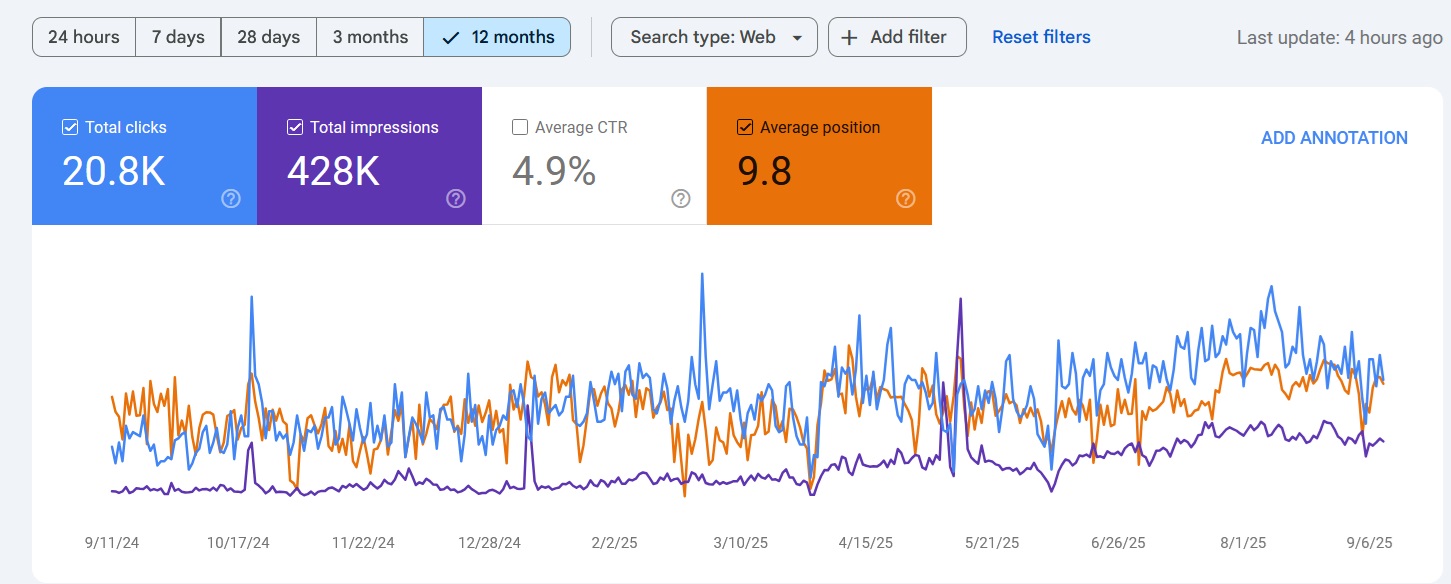
Map Pack Rankings
Ranked in Local Search Within 90 Days
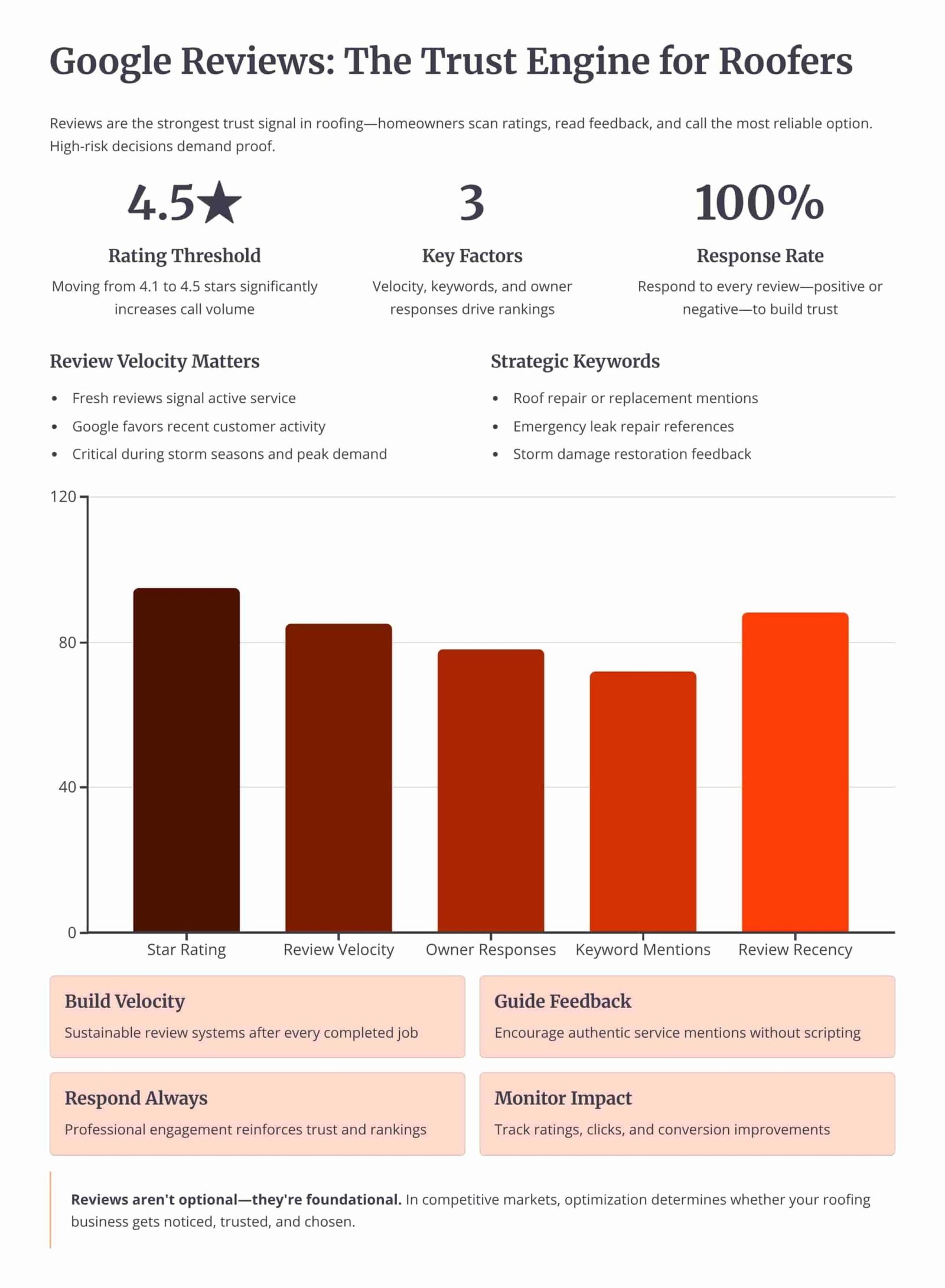
Review Velocity
150+ 5-Star Reviews Generated
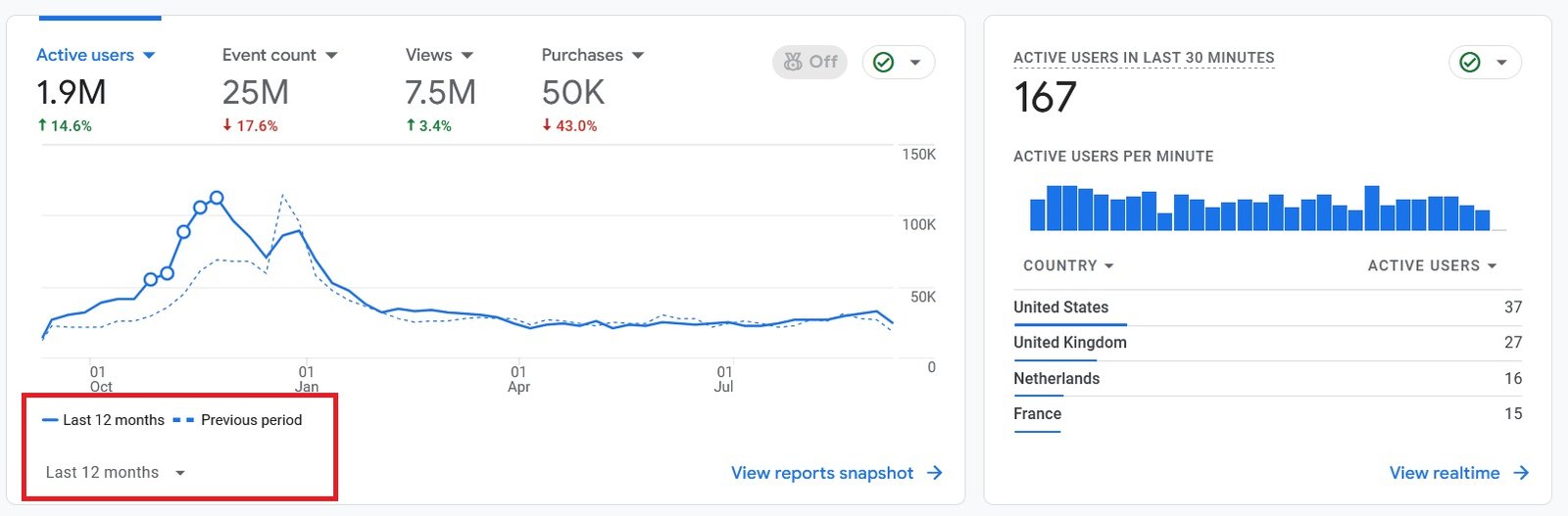
Organic Traffic
300% Increase in Qualified Traffic
What Roofers Say
The 180-Day Roofing SEO Roadmap
See how we build the process pages, connect them to service pages, and turn mid-funnel research into booked estimates over a 6-month engagement.
Month 1: Intent Mapping and Outline
- Query Mapping: Pulling the "what happens during" and "how does it work" searches a homeowner runs before a quote.
- Stage Outline: Drafting the numbered steps from first contact to final walkthrough for each core service.
Month 2: Build and Trust Signals
- Page Build: Writing each stage with a timeline, the contractor and homeowner roles, and real job photos.
- Trust Layer: Adding certifications, warranties, and quality checks at the points where a homeowner hesitates.
Month 4: Internal Linking and Mesh
- Mesh Links: Connecting each process page to its service page, cost page, and a matching case study.
- Topic Coverage: Filling the mid-funnel gaps so the cluster answers the whole research journey.
Month 6: Rankings and Booked Estimates
- Mid-Funnel Rankings: Ranking the process pages for the "what happens during" queries in the served cities.
- Estimate Tracking: Measuring the estimate requests that start on a process page against the cost of paid leads.
Owning Search Demand vs Renting It From Lead Platforms
If you pay Angi or Google Ads, you are renting visibility. The moment you stop paying, your pipeline dries up. Ranking the website's process and service pages for high-intent local searches builds permanent digital equity.
Shared Lead Platforms (Angi, HomeAdvisor)
- The Race to the Bottom: Shared leads force you to slash prices to win against 5 other roofers.
- Low Intent: Half the time they aren't ready to buy, they were just clicking around online.
Local Search SEO (Our Approach)
- 100% exclusive, direct-to-you inbound calls.
- Highest closing rate. They chose YOU from organic search.
- Compounding ROI. You don't pay per click.
We Identify Search Intent Using Industry-Leading Data Tools




Expertise Built on Data.
Not Guesswork.
I'm Nizam Ud Deen, and I don't build generic websites. I build search intent engines specifically for the roofing industry.
For years, I've watched roofers burn money on agencies that brag about "traffic" while the phones stay silent. Traffic without intent is worthless. My system maps exactly how homeowners search during storms, when comparing prices, and when they're ready to buy, and intercepts them at every stage.
The No-Brainer Roofing SEO Guarantee
We don't guarantee "traffic" or "rankings." We guarantee high-intent leads.
"We guarantee to generate 15 exclusive, inbound replacement or repair leads per month within the first 180 days, driven entirely by high-intent organic search. If we don't hit that metric, we work for free until we do."
Measuring Success: Leads and Revenue
We don't report on vanity metrics. If traffic goes up but revenue stays flat, the strategy failed. We track the pipeline.
Call Tracking
Every keyword mapped to the exact phone call it generated.
Form Fills
Tracking estimate requests from high-intent local landing pages.
Booked Jobs
Connecting CRM data to SEO efforts to prove actual revenue return.
Cost per Lead
Monitoring organic CPL to ensure it beats shared platform costs.
The Roofing Process Page Checklist
Run each process page through this checklist to confirm it serves the research intent and moves a homeowner toward an estimate.
Frequently Asked Questions
Clear answers about roofing process pages and the mid-funnel content that supports them.
What is a roofing process page?
How is a process page different from a service page?
What happens during a roof replacement?
How does the roof repair process work?
Why do homeowners search for the roofing process before calling?
What elements should a process page include?
How long does a roof replacement take?
Does a process page help with SEO?
How should a process page link to other pages?
Should a process page be a single page or one per service?
Should I use stock photos or real job photos?
What are common process page mistakes?
Where does a process page fit in the on-page SEO cluster?
Get Your Free Roofing Process Page Audit
We'll review your current process content and your top 3 local competitors to show you exactly where the page loses mid-funnel research.
What You Get:
- Step Structure ReviewA check of whether the page documents the job as numbered stages with timelines.
- Mid-Funnel Coverage ScoreWhich research queries the page ranks for across the service area.
More Deliverables
- Internal Link CheckA scan of the links to the service page, cost page, and case studies.
- Trust Signal ComparisonHow the warranties and quality detail compare to the local winner.
Claim your free roofing process page audit today. No commitment required.