
Digital PR for Roofers
Earn editorial backlinks for a roofing company by creating newsworthy stories and data that journalists and local publications choose to cover and link to.
Free Roofing Digital PR Audit
Most roofing sites have no editorial links at all. Get a free audit with a competitor comparison and a list of story angles a journalist would cover.
What Is Digital PR for Roofers?
Digital PR for roofers is earning editorial backlinks by creating newsworthy stories and data that publications cover and link to, rather than submitting or buying links. You give a journalist a reason to write, and the link follows the coverage.
An Earned Link, Not a Placed One
The link comes from a publication choosing to cite your story. That editorial choice is what gives the link its weight in search.
A Story or a Dataset
The asset is a storm report, a cost study, a community project, or an expert quote, something a reporter can build an article around.
Distinct From Citations
A directory listing is a citation, not an earned editorial link. See local SEO for the citation side.
Why Does Digital PR Work for Roofing Companies?
Digital PR works because an editorial link from a publication carries more weight than a long list of directory listings, and the coverage adds geographic and topical relevance at the same time.
Authority Over Volume
- Ahrefs reports that the number of linking domains correlates with rankings more than raw link count.
- A handful of links from respected publications can move a page further than a large set of low-value directory links.
- The editorial nature of the placement is what search engines reward, not the act of submission.
Local and Topical Relevance
- Coverage from a local news outlet ties the company to its market in a way a generic link cannot.
- Roofing is a high-cost service, so a credible media mention supports the trust a homeowner needs before calling.
- Relevant links feed the local pack alongside the profile. See local SEO for roofers.
How Does Digital PR Differ From Traditional Link Building?
The difference is the method: traditional link building submits or trades links, while digital PR earns them through coverage a publication decides to run. One asks for a placement; the other creates a reason for one.
Submitted and Traded Links
- Directory and citation submissions, which serve local presence but read as low editorial value on their own.
- Generic guest posts on low-authority blogs with no story behind them.
- Link exchanges with unrelated sites, which carry little topical relevance.
Earned Editorial Links
- Mentions in news outlets and local media that cover a story you produced.
- Data-driven reports pitched to journalists who cite the source.
- Expert commentary on roofing topics that a reporter quotes and links.
Turn Coverage Into Phone Calls
A roofing company with editorial links from local media earns trust before the call. We create the stories and pitch the journalists so the coverage lands on you.
Call Now For PricingOr call +1 272-207-3231
How Does a Storm Damage Data Report Earn Links?
A storm damage data report earns links by turning public weather and claims data into a local story a news outlet wants to publish. The outlet credits the roofing company as the source, and the credit becomes the link.
How the Report Comes Together
- Pull public weather data, storm history, and insurance claim figures for the service area.
- Frame it as a local angle, such as the most storm-affected roofing zones in a metro for the year.
- Offer it to local news stations and weather blogs preparing seasonal coverage.
Why It Repeats Each Year
Storm season returns every year, so the report is a repeatable campaign. Each cycle of coverage adds another layer of relevance that builds on the last.
How Does a Roofing Cost Study Attract Coverage?
A roofing cost study attracts coverage because homeowners and journalists both search for replacement-cost figures, so a sourced study serves a high-intent query and a reporter at once.
What to Put in the Study
- Average cost by roofing material type.
- Regional price variations by city or state.
- Labor cost breakdowns and common insurance claim averages.
- Year-over-year cost trends with commentary from the roofing team.
Why It Does Double Duty
The study targets a cost keyword on the site and gives reporters a figure to cite. The page ranks while the citations earn links, from a single asset.
What Community and Seasonal Stories Earn Coverage?
Community and seasonal stories earn coverage when they give a local outlet a human angle or a timely safety topic, such as a charity roof replacement or a winter protection guide.
Charity Roof Projects
A donated roof for a family or veteran is a story local stations actively seek, and the coverage credits the roofing company.
Seasonal Safety Guides
A winter roof protection guide earns links from home improvement blogs, insurance sites, and outlets preparing seasonal pieces.
Local News Commentary
When a hailstorm or insurance dispute hits the news, offering an expert quote can earn a citation in the article.
How Does a Roofer Pitch a Story to a Journalist?
Pitch a story by creating the asset first, then offering it to the reporters and editors who already cover that topic, with the data and the local angle ready to use. Relevance to the beat beats the size of the send list.
The Pitch Sequence
- Build the asset: a data report, a cost study, or a community story.
- Identify the writers and editors who cover weather, home costs, or local business.
- Send a short, specific pitch with the headline figure and the local tie-in.
- Follow up once, professionally, if there is no reply within a week.
Using a Query Service
Reporter query services connect a roofing expert with writers seeking sources. A concise, data-backed reply with name, title, and company can earn a citation without an outbound pitch.
How Should a Roofer Answer a Reporter Query?
Answer a reporter query with a short, quotable, data-backed reply sent quickly, since journalists work to a deadline and use the first strong source.
What a Strong Reply Looks Like
- Reply soon after the query is posted, while the reporter is still sourcing.
- Lead with one specific, data-backed insight rather than a general comment.
- Keep it concise and quotable, and include name, title, and company.
- Reference local market knowledge where the topic is regional.
Why Roofing Fits These Queries
Reporters cover weather events, home improvement costs, and insurance disputes, which line up with what a roofer knows. The expertise matches the beat, so the citation is a natural fit.
Earned Links Cost Less Than Paid Leads
An editorial link earned through a story keeps passing authority for years, against 50 to 150 dollars per shared roofing lead. Build the asset once and let the coverage compound.
Call Now For PricingOr call +1 272-207-3231
How Does Digital PR Support Local Search?
Digital PR supports local search because a link from a local publication sends a geographic relevance signal that the profile and on-page content alone cannot. The coverage ties the company to the market it serves.
A Geographic Signal
A roofing company in a city earning a link from that city's news outlet signals that the business is a source in that market, which supports rankings and map-pack placement.
Part of the Wider Mix
Local rankings rest on the profile, reviews, on-page content, and link relevance together. Digital PR strengthens the link side. See local SEO for roofers.
Common Digital PR Mistakes Roofers Make
Roofing campaigns lose coverage through five recurring mistakes, each one fixable before the next pitch goes out.
Pitch and Angle Errors
- Sending a generic press release with no story angle, which rarely earns coverage.
- Pitching with no data or local hook, so a journalist has no reason to cite the source.
- Mass automated outreach, which draws low response and can harm the sender's reputation.
Targeting and Safety Errors
- Targeting unrelated sites that carry little topical or geographic relevance.
- Buying links instead of earning them, which risks a penalty and adds no lasting value. See spam link avoidance.
How Do You Measure a Digital PR Campaign?
Measure a campaign by tracking the editorial links earned, the rankings and traffic they move, and the leads that follow, not the volume of pitches sent.
Metrics Worth Tracking
- Editorial links earned per campaign and the linking domains behind them.
- Map-pack position and organic keyword changes over time.
- Organic traffic month over month from the covered pages.
- Inbound leads from organic search and brand mentions in media.
Why the Return Compounds
Paid ads stop the day the budget ends. An earned link keeps passing authority for years, so the effective cost per lead falls as the link profile grows. Track it as a system, not a one-off.
Proof of Performance
Results from roofing campaigns that rank in local search.
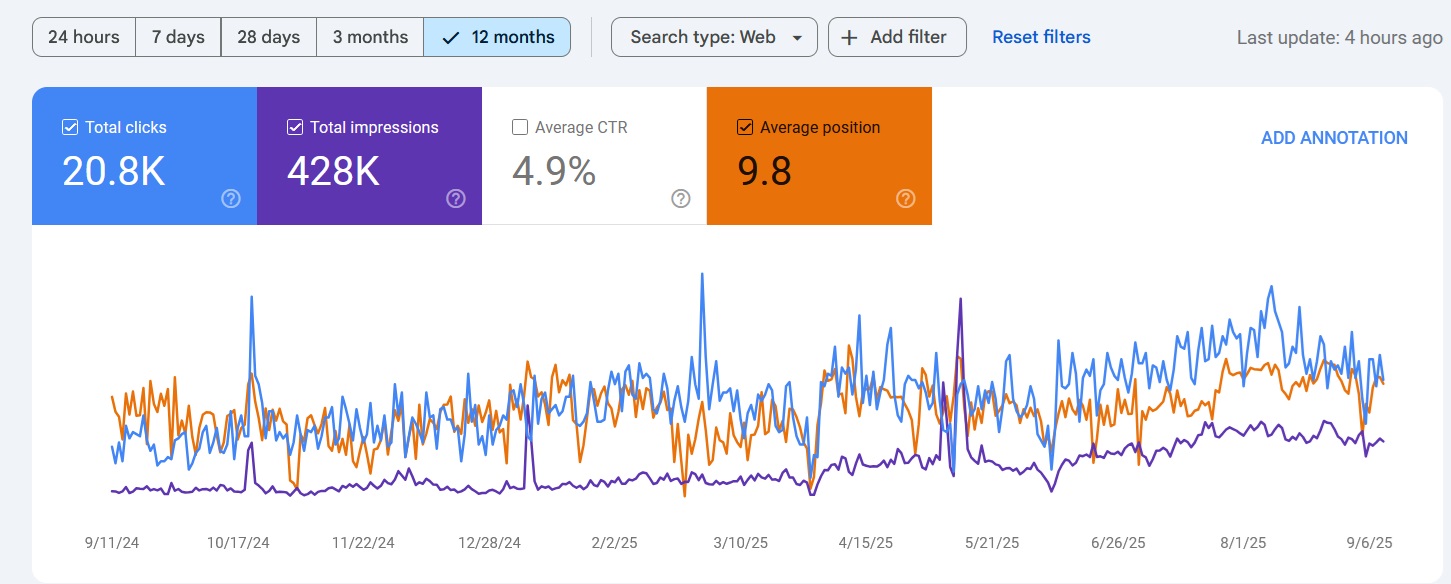
Map Pack Rankings
Ranked in Local Search Within 90 Days
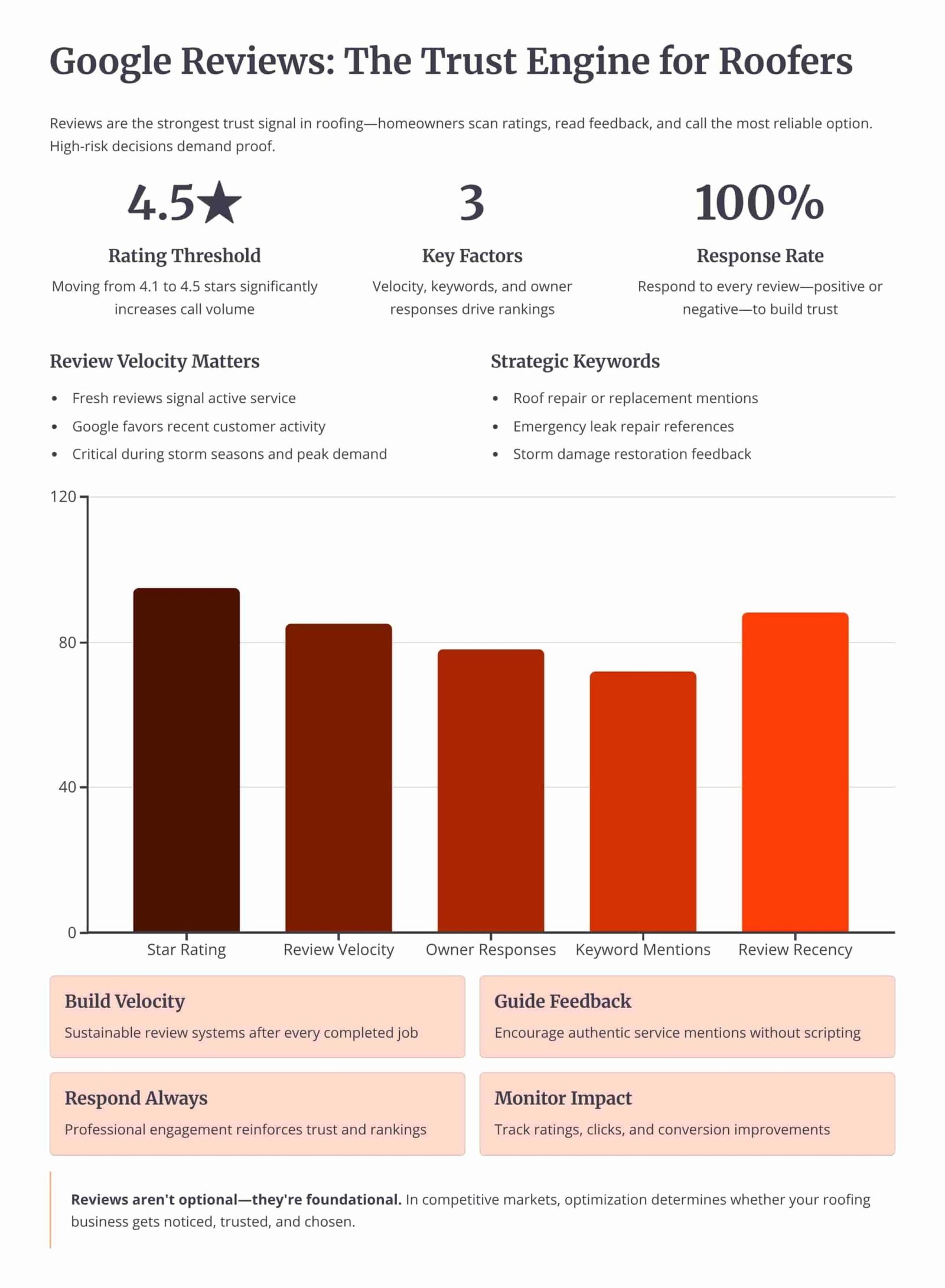
Review Velocity
150+ 5-Star Reviews Generated
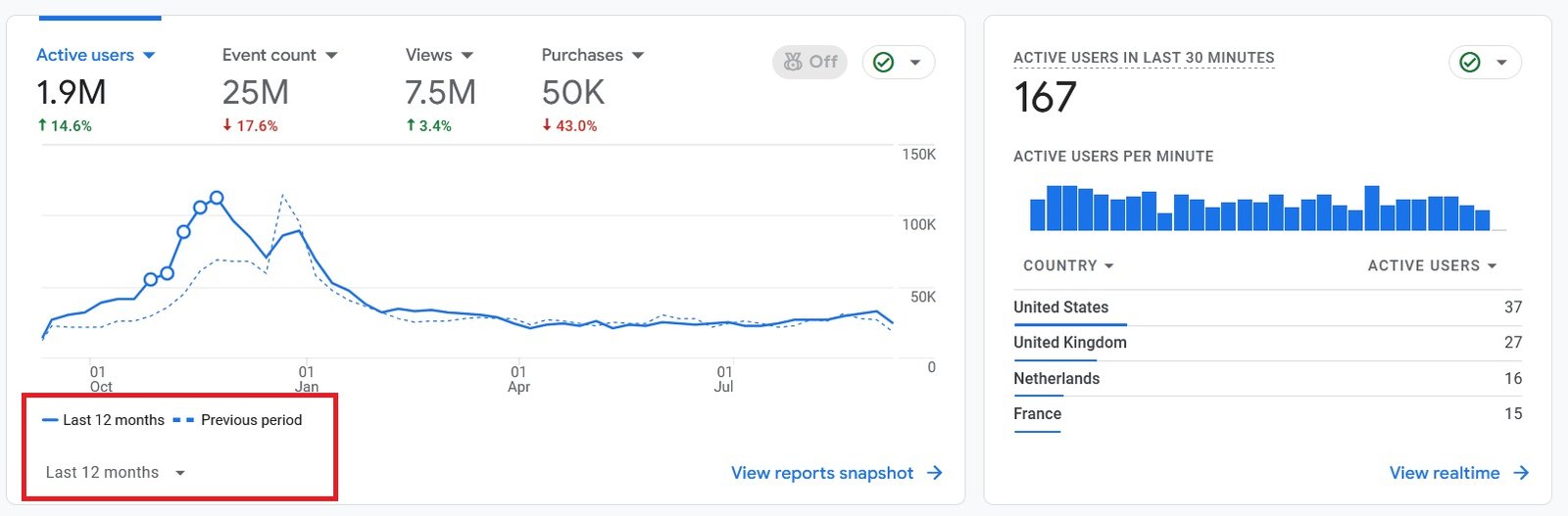
Organic Traffic
300% Increase in Qualified Traffic
What Roofers Say
The 180-Day Roofing SEO Roadmap
See how we optimize the profile, build the website, and earn local-pack rankings over a 6-month engagement.
Month 1: Profile Audit and Setup
- Category and Field Fixes: Setting the primary category, secondary categories, description, services, and service areas.
- NAP Cleanup: Correcting the name, address, and phone number across the profile, the website, and the directory citations.
Month 2: Reviews and Media
- Review System: Setting up a steady request flow and replying to every review, positive and negative.
- Photo and Post Cadence: Uploading job photos from each completed roof and publishing profile posts twice a month.
Month 4: Citations and Site Support
- Citation Building: Adding consistent listings on the directories that feed prominence for a service area.
- Service-Area Pages: Building city pages on the website that reinforce the profile's service areas.
Month 6: Local-Pack Rankings and Leads
- Map-Pack Position: Reaching the top 3 of the local pack for core roofing queries in the served cities.
- Lead Tracking: Measuring calls and direction requests from the profile against the cost of paid leads.
Owning Search Demand vs Renting It From Lead Platforms
If you pay Angi or Google Ads, you are renting visibility. The moment you stop paying, your pipeline dries up. Ranking the profile and the website for high-intent local searches builds permanent digital equity.
Shared Lead Platforms (Angi, HomeAdvisor)
- The Race to the Bottom: Shared leads force you to slash prices to win against 5 other roofers.
- Low Intent: Half the time they aren't ready to buy, they were just clicking around online.
Local Search SEO (Our Approach)
- 100% exclusive, direct-to-you inbound calls.
- Highest closing rate. They chose YOU from the local pack.
- Compounding ROI. You don't pay per click.
We Identify Search Intent Using Industry-Leading Data Tools




Expertise Built on Data.
Not Guesswork.
I'm Nizam Ud Deen, and I don't build generic websites. I build search intent engines specifically for the roofing industry.
For years, I've watched roofers burn money on agencies that brag about "traffic" while the phones stay silent. Traffic without intent is worthless. My system maps exactly how homeowners search during storms, when comparing prices, and when they're ready to buy, and intercepts them at every stage.
The No-Brainer Roofing SEO Guarantee
We don't guarantee "traffic" or "rankings." We guarantee high-intent leads.
"We guarantee to generate 15 exclusive, inbound replacement or repair leads per month within the first 180 days, driven entirely by high-intent organic search. If we don't hit that metric, we work for free until we do."
Measuring Success: Leads and Revenue
We don't report on vanity metrics. If traffic goes up but revenue stays flat, the strategy failed. We track the pipeline.
Call Tracking
Every keyword mapped to the exact phone call it generated.
Form Fills
Tracking estimate requests from high-intent local landing pages.
Booked Jobs
Connecting CRM data to SEO efforts to prove actual revenue return.
Cost per Lead
Monitoring organic CPL to ensure it beats shared platform costs.
The Roofing Digital PR Checklist
Run each campaign through this checklist before the pitch goes out, so the story is one a journalist would cover and cite.
Frequently Asked Questions
Clear answers about digital PR and earning editorial links for roofers.
What is digital PR for roofers?
How does digital PR differ from buying links?
What makes a roofing story newsworthy?
What is a storm damage data report?
How does a roofing cost study earn links?
What is a reporter query service?
How do I pitch a story to a local journalist?
Does digital PR help local rankings?
How long does digital PR take to show results?
What mistakes cause a pitch to fail?
Is digital PR safe under Google guidelines?
How is digital PR different from local media mentions?
How do I measure a digital PR campaign?
Where does digital PR fit in a full roofing SEO plan?
Get Your Free Roofing Digital PR Audit
We'll review the editorial links your roofing site has earned, compare them to your top 3 local competitors, and hand you a list of story angles a journalist would cover.
What You Get:
- Editorial Link ReviewA check of which publications already link to your roofing site and how relevant each one is.
- Competitor Link GapA list of publications linking to your competitors but not yet to you.
More Deliverables
- Story Angle IdeasThree data or community angles tied to your service area that a reporter would cover.
- Target Outlet ListLocal outlets and writers whose beat fits your roofing stories.
Claim your free roofing digital PR audit today. No commitment required.