
Link Profile Audits for Roofers
Review every backlink pointing at a roofing site, grade each one for quality and risk, and disavow the harmful links so they stop dragging the rest of the profile down.

Free Roofing Backlink Audit
Many roofing sites carry a tail of spam directory and foreign-language links that no one ever reviewed. Get a free audit with a risk breakdown and a disavow plan where one is needed.
What Is a Link Profile Audit?
A link profile audit is a manual review of every backlink pointing at a roofing site, grading each link for quality and risk so harmful ones can be removed or disavowed. It is the cleanup phase that comes before new link building.
A Backlink Is a Vote
Each link to a roofing site reads as a vote of confidence to a search engine. The vote only counts when the linking site is real and relevant.
Quality Varies Widely
A single cluster of spam, irrelevant, or paid links can cancel out the value of dozens of honest ones, so the profile needs a regular review.
Audit, Then Build
The audit diagnoses and cleans the profile. Backlink building for roofers is the growth phase that follows it.
Why Does a Backlink Audit Matter for Roofers?
A backlink audit matters because toxic links can suppress rankings even while the site keeps publishing good pages, so the cleanup unblocks the rest of the work.
It Protects Local Visibility
- Quality, relevant links support how a roofing site ranks in local results, while spam links work against it.
- A clean profile strengthens the trust signals a search engine reads about the business.
- The local angle for links lives in local SEO for roofers.
It Supports Authority and Trust
- A profile free of toxic links reads as more trustworthy than one weighed down by spam.
- Cleanup gives a measurable edge when competitors leave their own spam links in place.
- Authoritativeness as a concept is covered in the trust section.
When Should a Roofer Run a Link Audit?
Run a link audit on a fixed schedule and after any warning sign, rather than waiting for a penalty to force it. A few clear signals tell you the profile needs a look.
After a Traffic Drop
A sudden fall in organic traffic right after a known algorithm update is a reason to review the links pointing at the site.
On a 3 to 6 Month Cycle
A review every three to six months catches new spam links as they appear, before they build into a pattern a search engine acts on.
On a Manual Action Notice
A manual action warning in Google Search Console points straight at the link profile and calls for a full review and disavow.
Find Out What Is Holding the Site Back
A roofing site can do everything right on the page and still stall because of links it never asked for. We review the full profile and show you exactly which links carry risk.
Call Now For PricingOr call +1 272-207-3231
What Does an Audit Evaluate on Each Link?
Grade every backlink on four dimensions: quality, relevance, authority, and risk. Together they decide whether a link helps the roofing site, does nothing, or actively hurts it.
Quality and Relevance
- Quality looks at the reputation of the linking domain and whether a real editor maintains it.
- Relevance asks whether the linking site connects to roofing, construction, or home improvement.
- A relevant link from a roofing supplier reads stronger than a random link from an unrelated blog.
Authority and Risk
- Authority looks at whether the linking domain can pass a positive signal at all.
- Risk asks whether the link could draw a penalty or dilute the site's standing.
- Each link ends up scored as safe, suspicious, or toxic from these four reads.
How Does a Roofing Link Audit Work, Step by Step?
An audit runs in a fixed order: collect the data, grade each link, flag the toxic ones, then plan removal and disavow. Each step narrows the list before any disavow decision is made.
1. Collect the Backlink Data
Pull referring domains, new and lost links, and anchor text from more than one source so no part of the profile is missed.
2. Grade Each Link
Review the linking domain's authority, confirm roofing relevance, and read the anchor text distribution for over-optimization.
3. Flag the Toxic Links
Mark spam domains, private blog network links, and irrelevant foreign links as safe, suspicious, or toxic.
4. Request Removal
Reach out to the webmaster of a harmful link first, since a removed link is cleaner than one only disavowed.
5. Build the Disavow File
Compile the links that cannot be removed into a disavow file, with every decision reviewed by hand before submission.
6. Benchmark Competitors
Compare the cleaned profile against ranking roofing competitors to see which honest link sources they earn and you do not.
What Does a Toxic Roofing Backlink Look Like?
A toxic backlink is a link from a source that exists to manipulate rankings rather than to inform a reader. A few patterns turn up again and again on roofing profiles.
Sources to Flag
- Spam domains built from mass-generated pages with a history of selling links.
- Private blog network links, where one owner runs many sites to pass link signals.
- Foreign-language sites with no connection to roofing or the service area.
Why They Hurt
- A search engine can read these patterns as an attempt to game rankings.
- Left in place, they weaken the trust the honest links would otherwise carry.
- Avoiding them in the first place is covered in spam link avoidance.
What Does a Healthy Roofing Link Profile Look Like?
A healthy profile shows local relevance, industry links, a natural anchor mix, varied referring domains, and steady growth. These traits read as earned rather than engineered.
Relevant and Local Sources
- City-based links from local news, community groups, and business listings.
- Industry links from roofing associations, construction publications, and suppliers.
- Local link sources are covered in local link acquisition.
Natural Shape and Pace
- A natural anchor mix: branded, generic, bare URL, and only a few exact-match anchors.
- A wide range of unique referring domains rather than many links from a few sites.
- Steady, gradual growth in referring domains over time, not a sudden spike.
What Common Link Problems Do Roofing Sites Have?
Roofing profiles share a handful of recurring problems, most of which an audit surfaces and a cleanup resolves. Naming them makes the audit findings easier to read.
Anchor and Spam Issues
- Overuse of exact-match anchors, such as one city-and-service phrase repeated across many links, which trips over-optimization filters.
- Mass submissions to low-authority directories that add bulk but no value.
- Paid low-quality links that break search guidelines and resist removal.
Relevance and Coverage Gaps
- Irrelevant niche links from fashion blogs or tech forums that blur the site's topic.
- Thin coverage on local listings, which weakens the local side of the profile.
- The fix for thin local listings sits in local SEO for roofers.
Clean the Profile Before You Build on It
Building new links on top of a toxic profile is like painting over rust. We clear the harmful links first, so every link earned afterward lands on a sound base.
Call Now For PricingOr call +1 272-207-3231
Removal or Disavow: Which One and When?
Use both, in order: ask the webmaster to remove a harmful link first, then disavow the ones that cannot be removed. A removed link is cleaner than a disavowed one.
Start With Removal
Contact the site owner and ask for the link to be taken down. When the link is gone at the source, there is nothing left for a search engine to weigh, and no file to maintain.
Disavow the Rest
For links that no one will remove, submit a disavow file that tells Google to ignore them. Keep the file precise, since disavowing a healthy link removes value the site has earned.
Proof of Performance
Results from roofing campaigns that rank in local search.
Map Pack Rankings
Ranked in Local Search Within 90 Days
Review Velocity
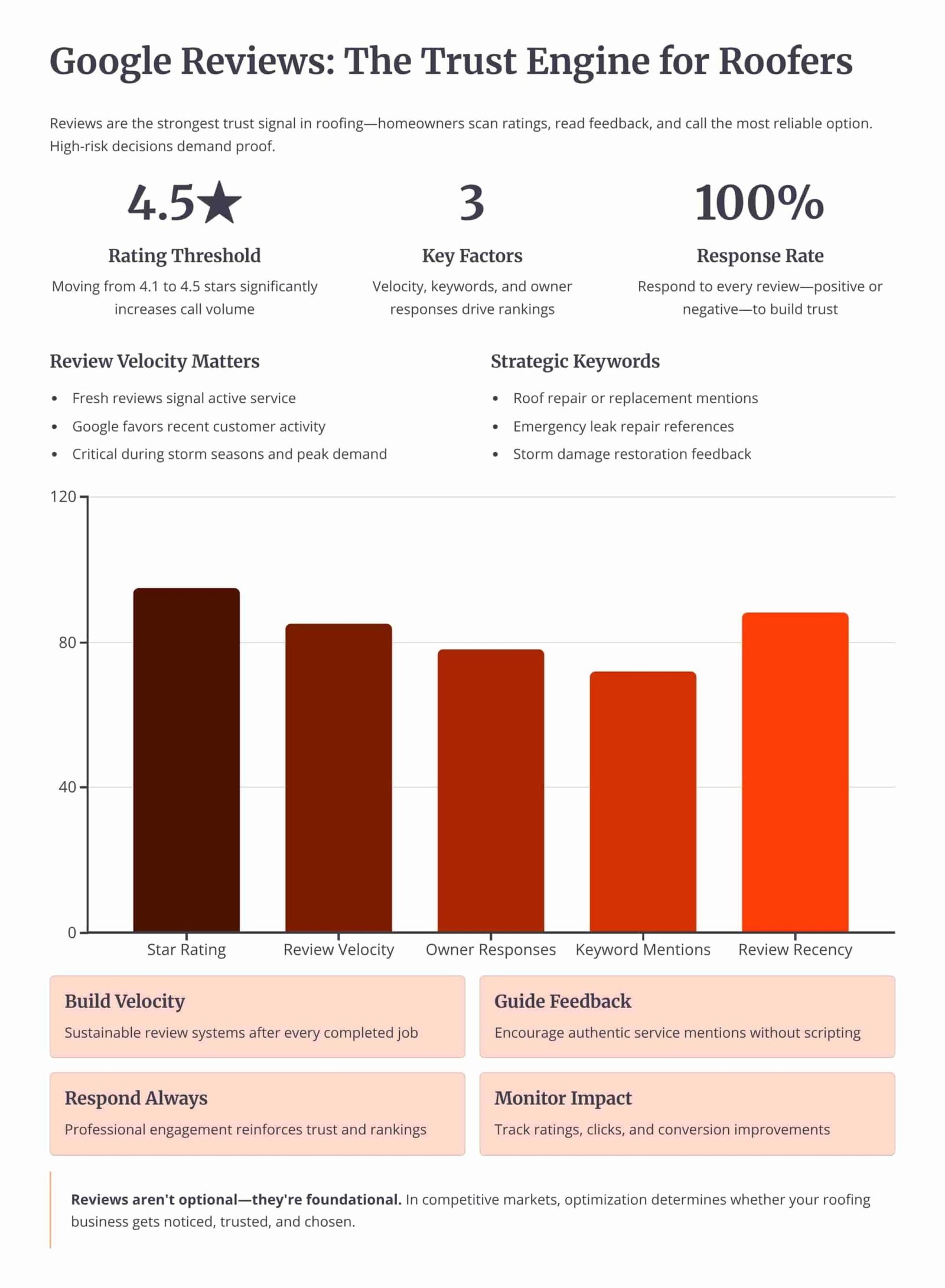
150+ 5-Star Reviews Generated
Organic Traffic
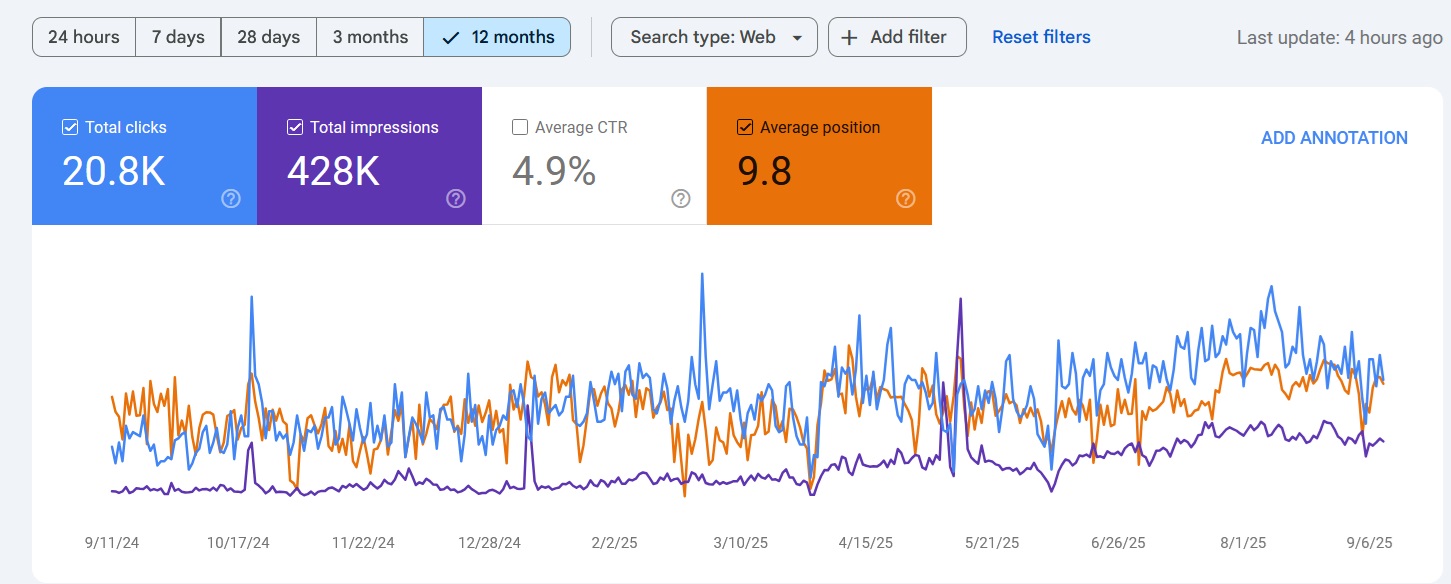
300% Increase in Qualified Traffic
What Roofers Say
The 180-Day Roofing SEO Roadmap
See how we optimize the profile, build the website, and earn local-pack rankings over a 6-month engagement.
Month 1: Profile Audit and Setup
- Category and Field Fixes: Setting the primary category, secondary categories, description, services, and service areas.
- NAP Cleanup: Correcting the name, address, and phone number across the profile, the website, and the directory citations.
Month 2: Reviews and Media
- Review System: Setting up a steady request flow and replying to every review, positive and negative.
- Photo and Post Cadence: Uploading job photos from each completed roof and publishing profile posts twice a month.
Month 4: Citations and Site Support
- Citation Building: Adding consistent listings on the directories that feed prominence for a service area.
- Service-Area Pages: Building city pages on the website that reinforce the profile's service areas.
Month 6: Local-Pack Rankings and Leads
- Map-Pack Position: Reaching the top 3 of the local pack for core roofing queries in the served cities.
- Lead Tracking: Measuring calls and direction requests from the profile against the cost of paid leads.
Owning Search Demand vs Renting It From Lead Platforms
If you pay Angi or Google Ads, you are renting visibility. The moment you stop paying, your pipeline dries up. Ranking the profile and the website for high-intent local searches builds permanent digital equity.
Shared Lead Platforms (Angi, HomeAdvisor)
- The Race to the Bottom: Shared leads force you to slash prices to win against 5 other roofers.
- Low Intent: Half the time they aren't ready to buy, they were just clicking around online.
Local Search SEO (Our Approach)
- 100% exclusive, direct-to-you inbound calls.
- Highest closing rate. They chose YOU from the local pack.
- Compounding ROI. You don't pay per click.
We Identify Search Intent Using Industry-Leading Data Tools




Expertise Built on Data.
Not Guesswork.
I'm Nizam Ud Deen, and I don't build generic websites. I build search intent engines specifically for the roofing industry.
For years, I've watched roofers burn money on agencies that brag about "traffic" while the phones stay silent. Traffic without intent is worthless. My system maps exactly how homeowners search during storms, when comparing prices, and when they're ready to buy, and intercepts them at every stage.
The No-Brainer Roofing SEO Guarantee
We don't guarantee "traffic" or "rankings." We guarantee high-intent leads.
"We guarantee to generate 15 exclusive, inbound replacement or repair leads per month within the first 180 days, driven entirely by high-intent organic search. If we don't hit that metric, we work for free until we do."
Measuring Success: Leads and Revenue
We don't report on vanity metrics. If traffic goes up but revenue stays flat, the strategy failed. We track the pipeline.
Call Tracking
Every keyword mapped to the exact phone call it generated.
Form Fills
Tracking estimate requests from high-intent local landing pages.
Booked Jobs
Connecting CRM data to SEO efforts to prove actual revenue return.
Cost per Lead
Monitoring organic CPL to ensure it beats shared platform costs.
The Roofing Link Profile Audit Checklist
Run the backlink profile through this checklist to confirm it reads as earned and free of links that carry risk.
Frequently Asked Questions
Clear answers about link profile audits for roofing sites.
What is a link profile audit for a roofing site?
What is a toxic backlink?
How often should a roofer audit their backlinks?
What is a disavow file?
Should I remove a bad link or disavow it?
Can toxic backlinks hurt my roofing rankings?
What tools are used to audit a backlink profile?
What is the difference between a link audit and link building?
What does a healthy roofing link profile look like?
Why does over-using exact-match anchor text cause problems?
Are spam directory links worth keeping?
How long does a backlink audit take?
How soon do rankings recover after a cleanup?
Does a link audit replace local citations?
Get Your Free Roofing Backlink Audit
We'll review the links pointing at your roofing site, flag the ones that carry risk, and show you where a cleanup would help most before any new link building begins.
What You Get:
- Toxic Link ReportA list of risky links with a safe, suspicious, or toxic score on each.
- Anchor Text BreakdownA read of the anchor mix to spot any over-optimization on the profile.
More Deliverables
- Disavow DraftA starter disavow file for the links that cannot be removed at the source.
- Competitor ComparisonA look at the link sources ranking competitors earn that you do not.
Claim your free roofing backlink audit today. No commitment required.