
Service Area Optimization for Roofers
Service area optimization is the work of setting a roofing company's service-area-business profile and supporting signals so it ranks across every city it serves, not just the one nearest the office.

Free Service Area Coverage Audit
Most roofing service-area profiles leave whole cities uncovered. Get a free audit with a competitor comparison and a plan to rank across every city you serve.
What Is Service Area Optimization for Roofers?
Service area optimization is the practice of configuring a service-area-business profile and its supporting signals so a roofing company earns local-pack visibility in each city it serves.
A Service-Area Business
A roofing company travels to the job, so it lists the cities it serves rather than a storefront where customers visit.
Proving Coverage, Not Claiming It
Listing a city name is a claim; reviews, citations, and content from that city are the evidence Google reads as coverage.
A Profile-Level Job
The work starts in the profile's service-area settings, then extends to the website and directories. See local SEO for roofers.
Why Do Most Roofing Service Area Pages Fail?
Most roofing service area efforts fail because they list city names without proving a real connection to each city. A claim of coverage is not the same as the evidence Google needs to rank a profile there.
Claiming a City Is Not Proving It
- A list of 40 cities with no jobs, reviews, or photos behind them reads as a claim, not coverage.
- Google weighs demonstrated relevance, so an empty city listing rarely ranks.
- Proving coverage means tying real work to each city served.
Proximity Alone Does Not Earn the Rank
- Being 15 miles from a city makes a roofing company proximate, not relevant to it.
- Relevance is a demonstrated connection through reviews, citations, and content.
- This is the gap between proximity, relevance, and prominence.
How Does Google Understand a Roofing Service Area?
Google reads a roofing service area through 5 signals: the verified primary location, the declared service areas, content connecting work to cities, citation and review validation, and homeowner click patterns.
Verified Primary Location
The verified business location anchors the profile, even when the street address stays hidden on a service-area listing.
Declared Service Areas
City-specific service areas give Google a clearer signal than a single radius, so name each city the roofing company serves.
Citation and Review Validation
Reviews and citations that name the served cities confirm the roofing company works there, validating the declared areas.
Rank Across Every City You Serve
A service-area profile built on real coverage can put a roofing company in the local pack for several cities at once. We set the areas and build the signals for you.
Call Now For PricingOr call +1 272-207-3231
How to Set Service Areas on a Roofing Profile?
Set the profile as a service-area business and list each city by name inside the radius the roofing company actually drives to. City-specific entries give Google a clearer signal than a single mileage radius.
Name Cities, Not Just a Radius
- A service-area business hides the street address and lists the cities served.
- City names give a clearer signal than a radius that sweeps in places the company does not reach.
- The profile holds up to 20 service areas, so list the cities that matter most.
Keep the List Inside the Real Radius
A profile that lists distant cities it cannot reach spreads relevance thin. A focused list of cities with real jobs behind them outperforms a wide one. This differs from ZIP-code targeting on the website.
How Many Cities Should a Roofing Profile Cover?
List only the cities the roofing company can serve and support with real evidence, and add new cities methodically rather than all at once. A focused list earns more than a wide, thin one.
Start With the Cities You Already Serve
- Begin with the cities holding recent jobs, reviews, and photos.
- Each city listed should have evidence behind it, not just a name.
- Coverage built on real work ranks; coverage built on a wish list does not.
Expand One Market at a Time
Adding many cities at once spreads signals thin and stalls rankings. Build authority in the current cities, then add the next market with its own reviews and content. This is the difference from choosing a service-area or storefront profile type.
How Do Reviews and Citations Validate a Service Area?
Reviews and citations validate a service area because they give Google independent evidence that the roofing company works in each listed city. A review naming a city reinforces relevance for that city.
City-Specific Reviews
- Request a review right after each completed job, while the city is fresh.
- A review naming "roof replacement in [city]" ties prominence to that city.
- BrightLocal reports that around 88 percent of consumers trust online reviews as much as a personal recommendation.
Consistent Citations
- Consistent directory listings confirm the roofing company exists where it claims.
- Citations support the served cities the same way they feed the wider profile.
- Build them through local citations for roofers.
How Does Content Differentiation Support Service Areas?
Content differentiation supports service areas because each city page needs its own substance, not a template with the city name swapped in. Near-duplicate pages add little for Google to rank.
What a Real City Page Holds
- Local context the homeowner recognizes, like roof types and weather in that city.
- Photos and reviews from jobs completed in that city.
- Each service paired with the city, so the page answers a specific query.
Avoid the Template Trap
A page that only swaps the city name reads as duplicate content and rarely ranks. Web-page coverage works alongside the profile through city-based roofing pages.
Service Area Leads Cost Less Than Paid Ads
Map-pack leads from an optimized service-area profile run closer to 15 to 25 dollars each, against 50 to 150 dollars for paid roofing leads. Keep the asset instead of renting it.
Call Now For PricingOr call +1 272-207-3231
How to Link Service Area Pages Internally?
Link service area pages with descriptive anchors that name the service and the city, connecting each page to the hub and to nearby cities. Internal links pass relevance between the pages.
Anchor Text That Names the City
- Use anchors like "roof repair in [city]" rather than "click here".
- Link each city page to the local SEO hub and to neighboring city pages.
- A clear structure helps Google read the coverage as one connected service area.
From City to Neighborhood
Once city pages rank, link down to neighborhood pages for the next layer of coverage through neighborhood-based roofing pages.
Common Service Area Optimization Mistakes Roofers Make
Roofing companies lose service-area visibility through 5 recurring mistakes, each one fixable in the profile and on the website.
Coverage and Radius Errors
- The radius trap: setting a wide mileage radius instead of named cities.
- The expansion rush: adding many cities at once with no evidence behind them.
- Listing service areas the roofing company does not actually serve.
Content and Maintenance Errors
- The template mistake: city pages that only swap the city name.
- The neglect pattern: leaving a city's reviews and photos to go stale.
- The keyword-stuffing trap: packing city names into the profile and pages.
Proof of Performance
Results from roofing campaigns that rank in local search.
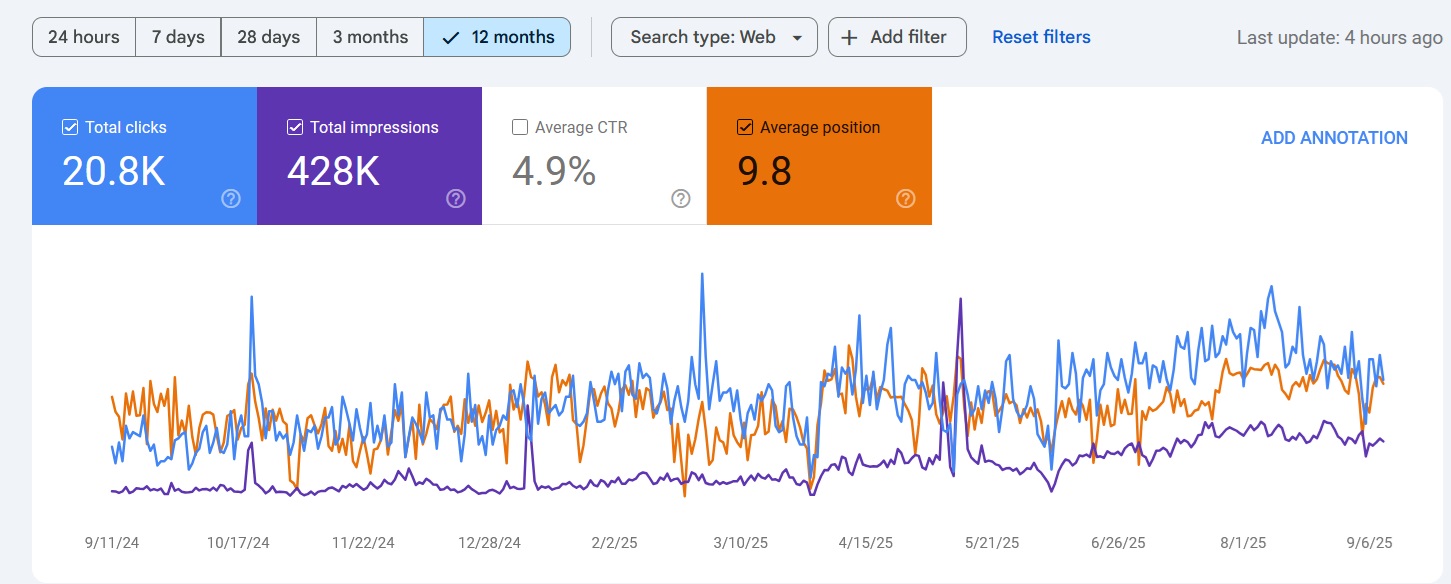
Map Pack Rankings
Ranked in Local Search Within 90 Days
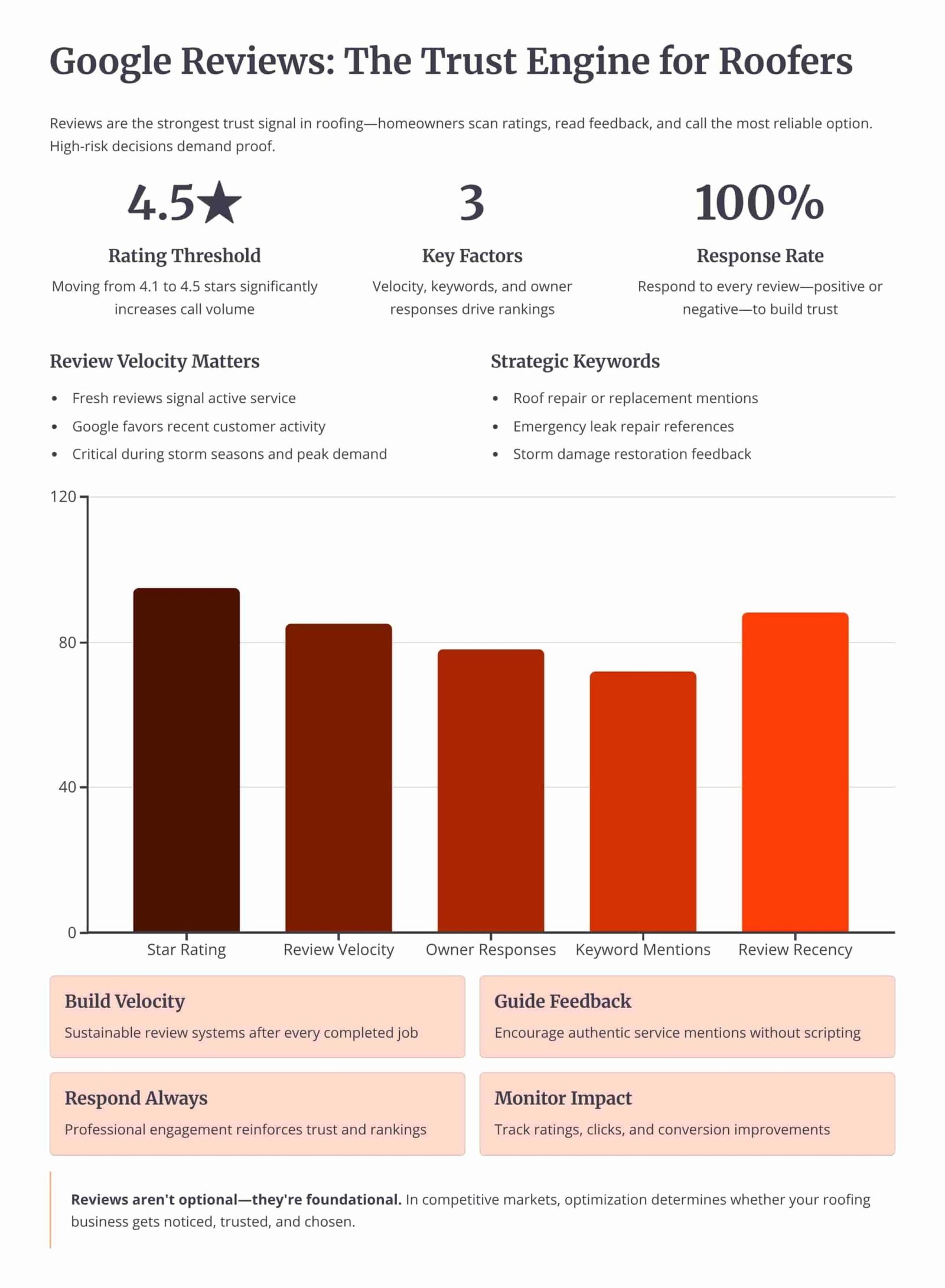
Review Velocity
150+ 5-Star Reviews Generated
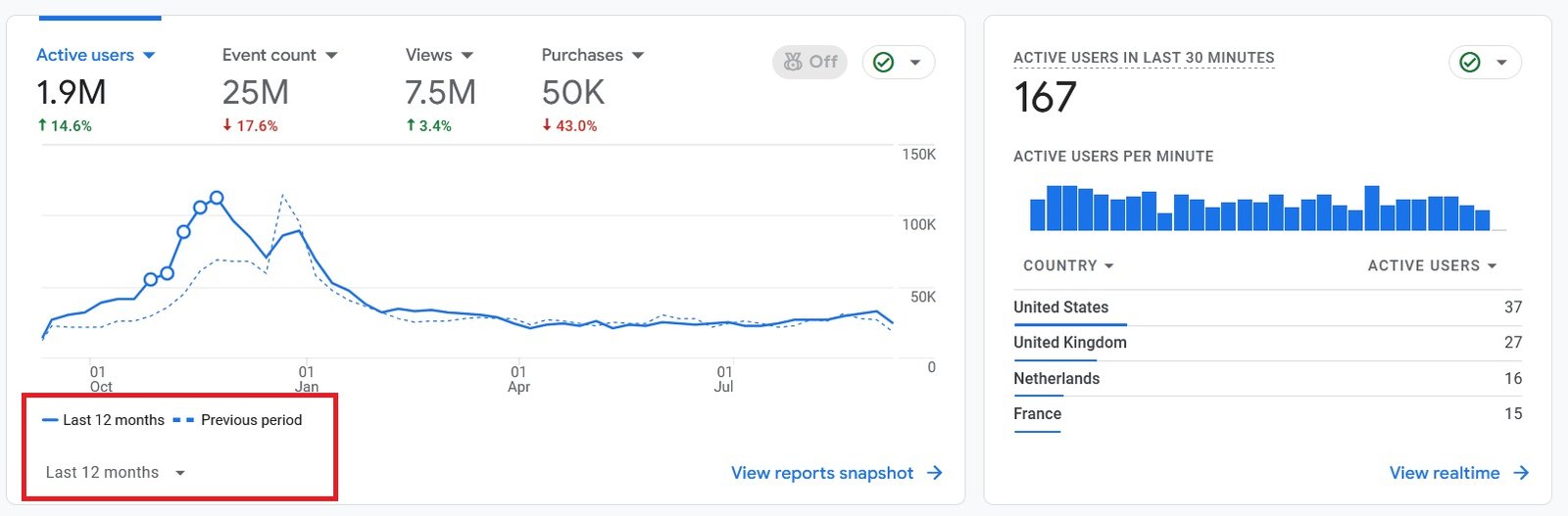
Organic Traffic
300% Increase in Qualified Traffic
What Roofers Say
The 180-Day Roofing SEO Roadmap
See how we optimize the profile, build the website, and earn local-pack rankings over a 6-month engagement.
Month 1: Profile Audit and Setup
- Category and Field Fixes: Setting the primary category, secondary categories, description, services, and service areas.
- NAP Cleanup: Correcting the name, address, and phone number across the profile, the website, and the directory citations.
Month 2: Reviews and Media
- Review System: Setting up a steady request flow and replying to every review, positive and negative.
- Photo and Post Cadence: Uploading job photos from each completed roof and publishing profile posts twice a month.
Month 4: Citations and Site Support
- Citation Building: Adding consistent listings on the directories that feed prominence for a service area.
- Service-Area Pages: Building city pages on the website that reinforce the profile's service areas.
Month 6: Local-Pack Rankings and Leads
- Map-Pack Position: Reaching the top 3 of the local pack for core roofing queries in the served cities.
- Lead Tracking: Measuring calls and direction requests from the profile against the cost of paid leads.
Owning Search Demand vs Renting It From Lead Platforms
If you pay Angi or Google Ads, you are renting visibility. The moment you stop paying, your pipeline dries up. Ranking the profile and the website for high-intent local searches builds permanent digital equity.
Shared Lead Platforms (Angi, HomeAdvisor)
- The Race to the Bottom: Shared leads force you to slash prices to win against 5 other roofers.
- Low Intent: Half the time they aren't ready to buy, they were just clicking around online.
Local Search SEO (Our Approach)
- 100% exclusive, direct-to-you inbound calls.
- Highest closing rate. They chose YOU from the local pack.
- Compounding ROI. You don't pay per click.
We Identify Search Intent Using Industry-Leading Data Tools




Expertise Built on Data.
Not Guesswork.
I'm Nizam Ud Deen, and I don't build generic websites. I build search intent engines specifically for the roofing industry.
For years, I've watched roofers burn money on agencies that brag about "traffic" while the phones stay silent. Traffic without intent is worthless. My system maps exactly how homeowners search during storms, when comparing prices, and when they're ready to buy, and intercepts them at every stage.
The No-Brainer Roofing SEO Guarantee
We don't guarantee "traffic" or "rankings." We guarantee high-intent leads.
"We guarantee to generate 15 exclusive, inbound replacement or repair leads per month within the first 180 days, driven entirely by high-intent organic search. If we don't hit that metric, we work for free until we do."
Measuring Success: Leads and Revenue
We don't report on vanity metrics. If traffic goes up but revenue stays flat, the strategy failed. We track the pipeline.
Call Tracking
Every keyword mapped to the exact phone call it generated.
Form Fills
Tracking estimate requests from high-intent local landing pages.
Booked Jobs
Connecting CRM data to SEO efforts to prove actual revenue return.
Cost per Lead
Monitoring organic CPL to ensure it beats shared platform costs.
The Service Area Optimization Checklist
Run the roofing profile through this checklist to confirm every service area feeds proximity, relevance, and prominence.
Frequently Asked Questions
Clear answers about service area optimization for roofing companies.
What is service area optimization for roofers?
What is the difference between a service area and a radius?
How many service areas can a roofing profile list?
Should a roofing profile use a radius or city names?
Why do service area roofers not show a street address?
How do reviews help a roofing service area?
Can one profile rank in several cities?
How many cities should a roofing company target at once?
Do I need a separate page for each service area city?
How long does service area optimization take to rank?
What is the typical service area radius for roofing contractors?
What are common service area optimization mistakes?
Does service area optimization replace a storefront listing?
Get Your Free Service Area Coverage Audit
We'll analyze your current service areas and your top 3 local competitors to show you exactly which cities the profile loses local-pack visibility in.
What You Get:
- Service Area Field ReviewA check of the declared cities, primary category, services, and description.
- Per-City Visibility ScoreWhere the profile ranks for near-me searches across each served city.
More Deliverables
- NAP Consistency CheckA scan of the name, address, and phone across the website and directories.
- Review Profile ComparisonHow the review count and rating compare to the local winner.
Claim your free service area coverage audit today. No commitment required.