
What is Roofing SEO? How Roofing Companies Use SEO to Generate Consistent Leads!
Roofing SEO is the strategic process of optimizing your online presence so local homeowners and commercial property managers can find, trust, and hire your roofing company when they are actively searching for roofing services.
Or call +1 272-207-3231
Roofing SEO Benefits: More Than Just “Website Stuff”
Connects you with high-intent customers
Builds instant trust and credibility
Generates leads 24/7
Replaces outdated marketing
Significant local competitive advantage
Deconstructing the Acronym for Roofing SEO!
SEARCH
Homeowners with a problem (a leak, storm damage, an aging roof) become searchers. They turn to Google with questions like “roof repair near me” or “emergency roofer [City Name].”
ENGINE
Google’s algorithm acts as a massive, sophisticated matching engine. Its job is to sort through millions of businesses to find the best possible results for that searcher.
OPTIMIZATION
This is your work. Optimization is the deliberate action of aligning your digital assets (your website, Google Business Profile, online reviews) with what both the search engine and the homeowner are looking for: relevance, authority, and trust.
Before diving into tactics, it’s critical to understand the foundation behind search engine optimization for roofers. This breakdown of roofing SEO fundamentals explains how local intent, authority, content, and technical structure work together to drive qualified roofing leads.

Why Roofing SEO is Unique and Essential?
Unlike general SEO, Roofing SEO is defined by three critical factors that make it a specialized discipline requiring focused expertise and strategic execution:
It’s Hyper-Local
Your customers aren’t across the country; they’re in your specific service area. SEO targets homeowners in your city and surrounding neighborhoods, making every lead highly valuable. Geographic precision is everything.
It’s Trust-Based
A roof is one of the most critical and expensive parts of a home. Homeowners won’t hire just anyone. SEO builds the digital trust necessary to win their business through reviews, credentials, and proof of expertise.
It’s High-Intent
People don’t search for “roofer” for fun. They search when they have a real, immediate need. This means SEO generates some of the most qualified, sales-ready leads available in any marketing channel.
Roofing is a high-trust, high-urgency service, which means standard SEO tactics fall short. Understanding why roofing SEO is different helps contractors focus on proximity, credibility, and conversion instead of generic traffic.
The Four Pillars of a Powerful Roofing SEO Strategy
A successful strategy isn’t one thing; it’s the integration of four key components working in harmony to dominate your local market:
Local SEO
The Heart of Your Strategy
Dominate Google Maps and local results by optimizing your Google Business Profile, managing your online reviews, and ensuring your business information is consistent across all online directories (citations).
Technical SEO
The Foundation
Ensures your website is built for both users and search engines. It includes making your site fast, mobile-friendly, secure (HTTPS), and easy for Google to crawl and understand.
On-Page & Content SEO
The Substance
Strategic creation of valuable content that answers your potential customers’ questions. It includes optimizing service pages, creating location pages, and publishing helpful blog articles.
Off-Page SEO
Your Reputation
Building authority and trust beyond your own website. It’s primarily earned through backlinks (links from other reputable sites to yours) and the social proof of positive online reviews.
The Roofer Quest Consultancy Driven by Industry-Leading Data!
Precision Tools for Dominating High-Competition Roofing Markets.
A “Technical Moat” is only as strong as the intelligence behind it. We don’t guess. We use the same enterprise-level tools that the world’s biggest brands rely on. By integrating advanced AI, real-time search data, and robust CMS platforms, we build a data-driven engine for your roofing business that makes outranking local competitors a mathematical certainty.
Advanced SEO workflows powered by elite data-mining and automation platforms. While generic agencies use basic, free tools, we invest in high-fidelity data from Ahrefs and Semrush to find the revenue-generating keywords your competitors missed.






Roofer Quest Consultancy Portfolio of Work
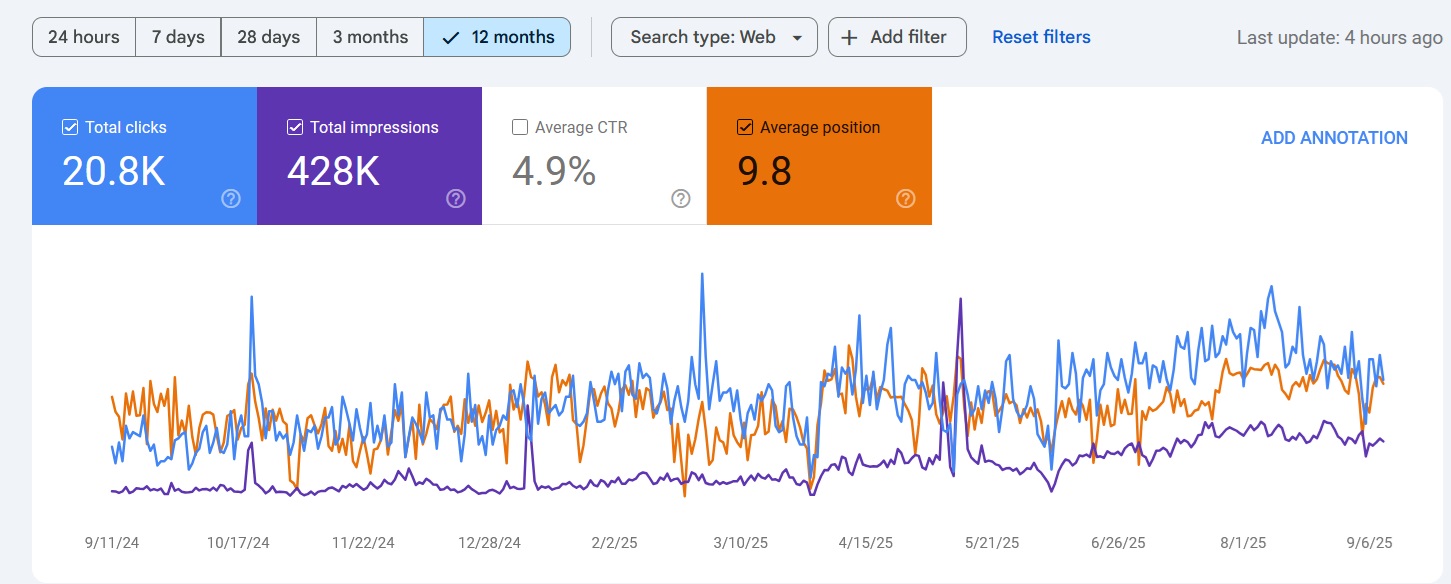
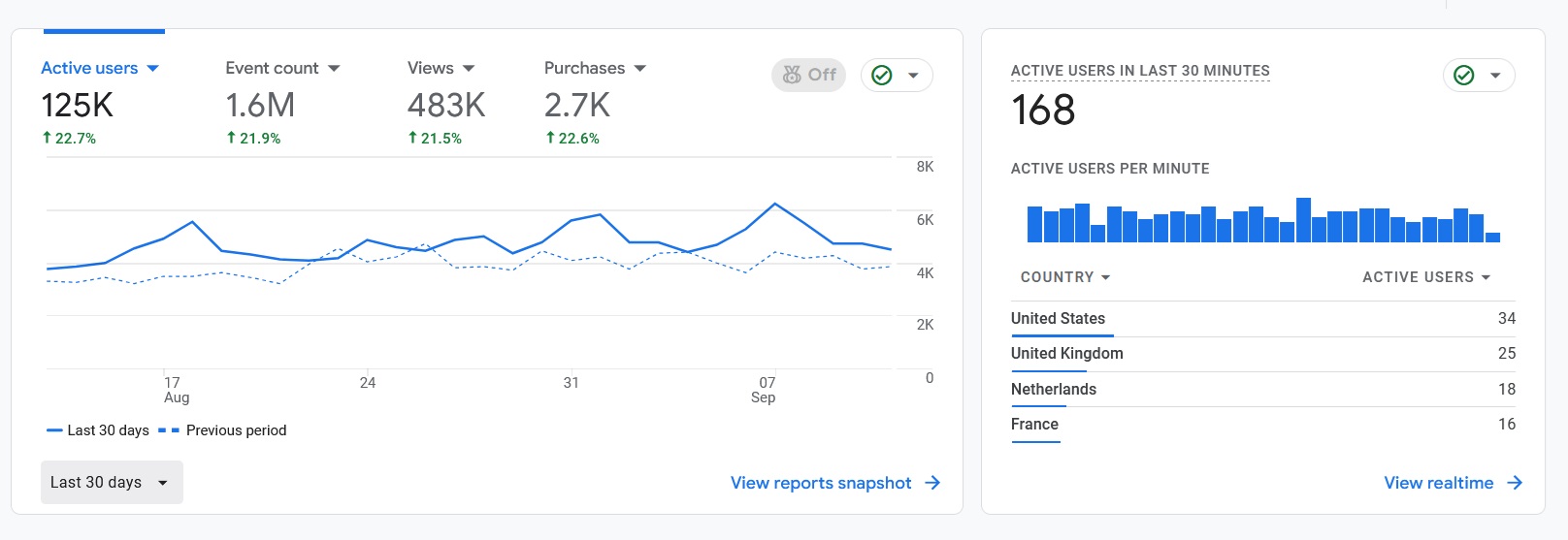
Explore how our tailored SEO strategies have helped businesses grow traffic, leads, and revenue. Each case study highlights real-world results across different industries and markets.
12 Months Google Search Console Stats
Last 30 Days Google Analytics Stats
Ready to Dominate Your Local Market?
Get a free strategy session and discover untapped leads in your area.
Why Roofing SEO is Your Most Powerful Marketing Tool?
Remember the Yellow Pages?
That thick, cumbersome book that landed on your doorstep every year? For decades, that was how homeowners found you. They’d flip to “Roofing Contractors,” see your ad (if you paid for one), and hopefully give you a call.
That world is gone.
Today, your future customers aren’t looking in a book. After a storm, when they see a water stain on the ceiling, or when they finally decide to replace their aging roof, they grab their smartphone or open their laptop. They type a phrase like “emergency roof repair near me” or “best roofing company in [Your City].”
In that instant, a digital battleground is activated (the Local Search Ecosystem) and the fate of your business depends on whether you win a place on that screen.
The Home Services Digital Transformation!
Traditional Era
- Yellow Pages
- Word of mouth
- Local newspaper ads
- Physical directories
Transition Period
- Early websites
- Basic online listings
- Emerging search engines
Digital Dominance
- Mobile-first searches
- Google Maps
- Instant reviews
- 24/7 accessibility
This is the reality of the Home Services Industry Digital Transformation. Winning that battle isn’t about buying the biggest ad; it’s about mastering Roofing SEO. For the modern roofing business, SEO isn’t just a marketing tactic; it’s the most critical channel for survival and growth.
Roofing companies that want long-term visibility and predictable lead flow need a system that works beyond short-term ads. Our core Roofing SEO services are designed to help roofers dominate local search results, capture high-intent homeowners, and build sustainable digital authority that compounds over time.

I Know Roofing. I Know SEO. And I’m Obsessed With Results.
I’m Nizam Ud Deen Usman, author of The Roofing Lead Gen Blueprint and founder of Roofer Quest.
I’ve helped roofing companies across the U.S. increase organic traffic, rank in multiple cities, and turn their websites into lead-generating engines.
I bring years of specialized SEO knowledge and an expert team that lives and breathes local SEO for roofers.
This isn’t generic marketing. This is focused strategy tailored to roofing businesses like yours.
Optimize for Top-Tier Roofing Standards!
Deep Industry Knowledge is the Core of Every Lead-Generating Strategy. Generic marketers struggle because they don’t understand the technical requirements and manufacturer standards that separate high-revenue contractors from the rest of the pack.
Expert SEO strategies tailored for GAF Master Elite and Owens Corning Platinum contractors. Our methodology ensures your digital presence is fully aligned with the strict standards of industry-leading manufacturers.

The Modern Roofer’s Customer: A Digital Journey
Let’s craft a picture. It’s Saturday afternoon, and a homeowner in your service area notices a leak after a night of heavy rain. What do they do?
They Grab their Cell Phone
The smartphone is the first response to any home emergency in today’s world.
They open Google Search
Search engines have become the trusted advisor for finding local services.
The Lead Funnel Begins
This simple action is the very beginning of the Lead Generation Funnel.
Critical Insight: This customer is not just browsing; they have intent. They are ready to solve a problem, and they are actively looking for the best solution. Which means they are looking for you. But will they find you? Or will they find your competitor?
This shift in behavior defines Hyper-Local Service Area Marketing. Your market is no longer defined by zip codes on a map in your office; it’s defined by the digital radius that Google and other search engines use to connect local businesses with local customers.
Today’s homeowners research contractors long before making contact. Roofing SEO for contractors explains how roofing businesses can align with this digital journey and turn online visibility into signed contracts.
The Battlefield: Understanding the Search Results Page (SERP)
When that homeowner presses “search,” what do they see? Understanding the anatomy of the SERPs is like understanding the terrain of your battlefield.
Managing rankings across multiple branches requires precision. Roofing SEO for multi-location roofers covers how to scale visibility without keyword cannibalization.
Anatomy of the SERP: Four Key Battlegrounds
Google Local Service Ads (LSAs)
The paid ads at the very top marked with a “Google Guaranteed” badge. Trust is high here, but it’s a pay-per-lead model. These appear first and command immediate attention.
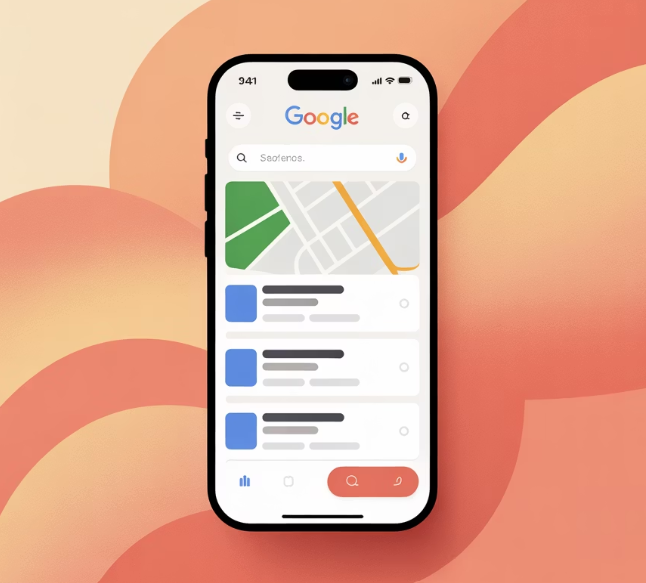
The Local Pack / Maps
The map section showing 3 local businesses. Won through GBP optimization, reviews, and proximity.

Traditional Paid Ads (PPC)
Pay-per-click ads in text format. Immediate visibility but requires constant budget.

Organic Results
The “free” results earned through website SEO, content quality, and backlinks. Highest long-term ROI.

A powerful roofing SEO strategy doesn’t just focus on one part of this page; it works to make your business dominant across multiple sections, maximizing your visibility and drowning out the competition.
How Does the Local Search Ecosystem Work for Home Services?
You now know that your customer is searching online. But how does Google decide which three roofing companies to feature in the coveted Local Pack? It’s not magic; it’s a sophisticated system designed to match the best local business with the user’s query.
This ecosystem is a network of signals, platforms, and data points that search engines constantly crawl and evaluate. Its primary goal is to answer three critical questions for every single search:
Location
Where is the searcher, and where is the business?
Relevance
How well does this business match what the searcher is looking for?
Prominence
Is this business reputable and trustworthy enough to recommend?
The Three Pillars of Local Ranking
Proximity
How close is your business to the searcher? This is a fundamental, non-negotiable factor in Hyper-Local Service Area Marketing. A company in the searcher’s city inherently has a proximity advantage.
Relevance
How well does your business listing match the search? Google determines relevance by analyzing the completeness and accuracy of your GBP, the keywords in your business description and Service Pages, your chosen categories.
Prominence
Is your business a known, reputable authority? Prominence is built through Online Review Generation efforts, Local Business Citations, the strength of your Backlink Profile, and your overall activity.
The Key Players in the Ecosystem
Your visibility is determined by how well you manage your presence across these key platforms:
Google Business Profile (GBP)
The absolute heart of your local SEO strategy. Your GBP is your free digital storefront on Google Search and Maps. It is the primary data source for your appearance in the Local Pack.
Local Citations & Directories
Mentions of your business name, address, and phone number (NAP) on other websites like the BBB, Yelp, Angi, HomeAdvisor, and your local chamber of commerce. Consistency is key.
Your Roofing Website
While your GBP gets you into the game, your website is what closes the deal. It’s your owned asset where you control the narrative with Service Page SEO and Location Page SEO.
User Review Platforms
The Trust & Credibility Economy runs on reviews. A robust collection of positive reviews on your GBP is a direct Prominence signal to Google and the most powerful trust signal to a potential customer.
How It All Comes Together!
When a homeowner searches for a roofer, Google’s algorithm instantly scours this entire ecosystem. It looks for businesses that are nearby (Proximity), whose profiles and websites match the search query (Relevance), and that have the strongest reputation signals (Prominence). It then compiles the most authoritative results to display.
Key Takeaway: Your roofing SEO strategy isn’t about tricking a system. It’s about systematically building and managing your presence across this entire Local Search Ecosystem.
Stop Losing Leads to Invisible Websites
Your competitors are capturing leads while you’re invisible. Fix that today.
Or call +1 272-207-3231
The Customer Journey: From Search to Signed Contract
Understanding the Local Search Ecosystem is about knowing the playing field. Understanding the customer journey is about knowing the player.
Every homeowner looking for a roofer follows a path. A Lead Generation Funnel that moves from awareness of a problem to the decision to hire a solution. Your roofing SEO strategy is only effective if it’s designed to meet them at every step.
Awareness & Discovery
The “What’s Wrong?” Stage
The homeowner has a problem and turns to Google for answers. They are in research mode.
Consideration & Evaluation
The “Who Can Fix This?” Stage
Her search intent becomes commercial and navigational. She is now evaluating specific services and local companies.
Decision & Conversion
The “Who Do I Hire?” Stage
Ready to hire. Looking for trust signals, social proof, and easy conversion paths. Make your reviews, licenses, and warranties impossible to miss.
The Journey’s End: Signed Contract
Sarah calls the number on your website. Because she has already vetted you online, the sales process is warmer and shorter. Your estimator arrives, and because your SEO efforts have pre-established your company’s credibility, Sarah feels confident signing the contract.
How is Roofing SEO Different from General SEO?
Important: Roofing SEO is a precision spear aimed at one specific fish, in one specific pond, at the exact time it’s ready to bite.
Key Differences: Roofing SEO vs. General SEO
“Near Me” & Hyper-Local Intent
General SEO: A large e-commerce brand targets national or global audiences. Geographic location might be irrelevant.
Roofing SEO: Every search is location-driven. Homeowners want a roofer within 20 miles. Proximity is the primary ranking factor.
Google Business Profile: Your Digital Storefront
General SEO: GBP might be a minor factor. Focus is on website and national brand recognition.
Roofing SEO: Your GBP is arguably more important than your website in the initial discovery phase. It is the primary key to appearing in the Local Pack.
The Battle for Trust, Not Just Clicks
General SEO: Success measured in organic traffic, time on site, and broad brand awareness.
Roofing SEO: Success measured in qualified leads, phone calls and form fills that convert into signed contracts. A $10K-$50K decision under stress.
The Sales Funnel is Short and High-Intent
General SEO: Might involve a long funnel with email sign-ups, free trials, and nurturing content over weeks or months.
Roofing SEO: The funnel is incredibly short and urgent. A person searching “emergency roof repair” needs help now. Optimizing for immediate conversion.
Many contractors assume all SEO works the same, but that misconception leads to poor results. This comparison of roofing SEO vs general SEO shows why local intent, trust signals, and emergency searches make roofing SEO a completely different discipline.
Who Are Your Main Competitors in Google’s Search Results?
When talking about the physical world, your competitors are the other roofing companies with trucks in your area. In the digital world, your competitors are whoever is showing up on the screen when your potential customers are searching. These are not always the same companies.
Winning at Roofing SEO requires you to first identify and then systematically analyze these digital rivals through Competitive Landscape Analysis.
The Four Types of Digital Competitors You Face
The Local Pack Titans
The 3 businesses dominating the Local Pack for key terms. Victory due to supremely optimized Google Business Profile and strong reviews.
The Organic Giants
Companies ranking in top organic positions. Powerful websites with excellent Service Page SEO and Location Page SEO. Strong Backlink Profiles.
The Paid Ad Aggressors
Competitors bidding on keywords through LSAs and PPC. Buying their way to the top of the Lead Generation Funnel.
The National & Franchise Players
Large companies with massive budgets competing on brand recognition, but often lacking hyper-local focus and community trust.

How to Conduct a DIY Competitive Analysis?
You don’t need an expensive tool to start. You can perform a powerful analysis with a free browser and a notepad.
Step 1: Identify Your Key Competitors
Go incognito in your browser. Search for your top 5 target keywords. Write down the business names that consistently appear in the Local Pack and top 3 organic results. This is your core competitor list.
Step 2: Analyze Their Google Business Profile
For each competitor, click on their GBP. Analyze: Reviews (How many? What rating? How do they respond?), Photos & Posts (Before and After Galleries?), Description & Categories.
Step 3: Reverse-Engineer Their Website & Content Strategy
Click through to their website. Analyze Service Pages, Location Pages, Blog Content, and Calls to Action. Note the language that focuses on E-E-A-T.
Step 4: Uncover Their Backlink Profile (Advanced)
Use a free tool like Moz Link Explorer or Ahrefs’ Webmaster Tools to see who is linking to them. Links from local news sites, manufacturer websites, or industry associations are gold.
Turning Analysis into Action: Your Strategic Edge
This isn’t just an academic exercise. The goal is to find gaps and opportunities:
More Reviews Needed?
Make Online Review Generation your #1 priority. Implement a system to ask every satisfied customer.
Better Service Pages?
Audit and improve your own Service Page SEO. Add more detail, better photos, and stronger CTAs.
Missing Location Pages?
Start creating content for your key service cities.
Local Media Links?
You now have a target list of websites to reach out to for link-building campaigns.
Capture Leads at Every Stage of the Journey
From awareness to signed contract. We optimize your presence at each step.
How Do I Measure the ROI of SEO?
Unlike a direct mail campaign where you pay for 10,000 leaflets and hope for a few calls, SEO requires a different mindset for Return on Investment (ROI) Measurement. It’s not an expense; it’s an investment in building a durable, revenue-generating asset.
Understanding returns is essential before committing budget. This breakdown of roofing SEO ROI explains how rankings translate into leads, revenue, and long-term sales assets.
Reframing the Investment: SEO as a Sales Asset
A 24/7 Sales Engine
Your SEO-optimized presence works around the clock, generating leads during storms, holidays, and weekends. It never sleeps, never takes a vacation.
Digital Real Estate
The top positions in Google’s SERPs are prime digital property. Once secured, they are incredibly valuable and defendable through earned authority.
Trust Capital
The Reviews, content, and authority you build create a barrier to entry for competitors, establishing your place in the Trust & Credibility Economy.
How to Measure Tangible ROI: The Key Metrics
Track Leads and Their Source
Use unique phone numbers on your website and GBP to track calls (Call Tracking). Ensure contact forms are tracked. Use UTM parameters in your GBP website link.
Calculate Your Cost Per Lead (CPL)
Monthly SEO Investment / Number of SEO-Generated Leads = SEO CPL. Compare this to your CPL from paid ads, billboards, radio. SEO CPL drops significantly and stabilizes over time.
Calculate Customer Lifetime Value (LTV)
A customer from SEO isn’t just a one-time job. They are a source of repeat business, referrals, and positive reviews. A $5,000 job that leads to two referrals is actually $15,000+ return.
The Intangible (But Critical) ROI
Brand Authority
Dominating the Local Search Ecosystem makes you look like the leading roofer in your area. Perception becomes reality.
Competitive Insulation
By winning the top organic spot and a place in the Local Pack, you are actively pushing your competitors down the page and out of sight.
Crisis Resilience
When a hailstorm hits, the companies with strong SEO are the ones overwhelmed with calls. SEO is your best insurance policy.
How to Justify the Cost: The Business Owner’s Pitch
Acknowledge the Timeline
“SEO is a long-term strategy. We may not see significant lead volume for 4-6 months, but then it will compound. The investment today pays dividends for years.”
Compare to Traditional Marketing
“Unlike a radio ad that airs and disappears, every blog post we publish and every review we earn is a permanent asset that works for us forever.”
Focus on Lead Quality
“SEO leads are high-intent. They are people actively searching for a solution we provide, right now. This means a higher close rate than cold calls.”
Present the Data
“Based on industry averages, we can expect [X] leads per month once we achieve top rankings, translating to approximately [$Y] in new revenue per month.”
The Ultimate Justification!
Justifying roofing SEO comes down to one simple question: “Can I afford to not be found when my future customers are looking for me?”
What is Google’s E-E-A-T and Why is it Crucial for Roofers?
Google considers roofing a “Your Money or Your Life” (YMYL) topic. E-E-A-T is not a direct ranking algorithm but a fundamental principle outlined in Google’s Search Quality Rater Guidelines. It’s the framework Google uses to assess the quality of content and the entire website.
Experience: The Proof of Hands-On Work
Google wants to surface content from businesses that have real-world experience actually doing the job.
Before and After Galleries: Showcasing your actual projects is the ultimate proof.
Case Studies & Testimonials: Detailed stories from past customers explaining how you solved their problem.
"About Us" Pages: Tell your company’s story, your crew’s experience, and your personal journey.
Content that Shares "Lessons Learned" from specific jobs or local weather challenges.

Expertise: The Knowledge Behind the Work
It’s not enough to have done the work; you must also know why you’re doing it that way.
Detailed Service Pages: Explain the process, materials you use, and why. Core to Service Page SEO.
Blog Content: Write authoritative articles that answer complex questions about insurance claims, materials, underlayment.
Certifications & Training: Highlight GAF Master Elite®, CertainTeed SELECT ShingleMaster™, licenses, and insurance.

Authoritativeness: Your Reputation in the Field
This is about what others say about you. Your standing in the Local Search Ecosystem and the industry.
Online Review Generation
A large volume of positive, specific reviews on your GBP is the #1 authoritativeness signal for a local business.
Backlink Profile Building
Earning links from local news outlets, manufacturer websites, industry associations acts like a vote of confidence.
Local Business Citations
Consistent, accurate listings across reputable directories (BBB, local chambers) reinforce your legitimacy.
Trustworthiness: The Foundation of the Customer Relationship
The most critical pillar. Can users trust the information you provide and feel safe doing business with you?
Secure Website
An HTTPS-enabled website (the padlock icon) is a basic requirement. Security is non-negotiable.
Transparent Information
Clearly displaying your full business address, phone number, and license numbers. No hiding.
Clear Privacy Policies & Terms of Service
Showing you handle customer data responsibly. Respect for privacy builds trust.
Transparent Pricing Guides
Content that explains pricing factors builds trust by setting realistic expectations.
Why E-E-A-T is Non-Negotiable for Roofers
A website that radiates E-E-A-T does two things simultaneously:
1. It tells Google you are a quality result. 2. It tells the homeowner you are the right choice.
How Do Seasonal Trends and Weather Events Impact Roofing SEO Strategy?
For most businesses, demand might fluctuate with holidays or economic cycles. For a roofer, your market is fundamentally dictated by the weather. A sophisticated Roofing SEO strategy isn’t just always on; it’s always adapting.
Spring
Preparation & Inspection Season
Search Intent: Homeowners are inspecting winter damage, preparing for spring rains, and planning renovations.
SEO Action Plan:
- Blog Content: Create articles targeting "spring roof maintenance," "how to check for winter roof damage," or "best roofing materials for rainy climates."
- GBP Posts: Promote "Spring Roof Inspection Specials" or tips for cleaning gutters.
- Service Page SEO: Ensure your "Roof Inspection" and "Roof Repair" pages are fully optimized.
Summer & Fall
Prime Installation Season
Search Intent: Ideal weather makes this the peak time for full replacements and major projects.
- Focus on High-Intent Keywords: Prioritize Service Page SEO for "roof replacement," "new roof installation," and "how to choose a roofer."
- Showcase Work: Intensively update your GBP with Before and After Galleries from recent projects.
- Request Reviews: After successful summer jobs, ramp up Online Review Generation. Strike while the iron is hot.
Winter
Emergency Repair Season
Search Intent: Driven by storms, snow load, ice dams, and leaks. Intent is urgent and high-stakes.
- Highlight Emergency Services: Make "24/7 Emergency Roof Repair" prominent in your GBP description and website headers.
- Create Urgent Content: Articles like "What to Do If Your Roof is Leaking" and "How to Prevent Ice Dams."
- Technical Readiness: Ensure your website hosting can handle a sudden surge in traffic from a storm event.
Storm Events
Reactive "Storm Chaser" Strategy
When a major hailstorm or hurricane hits, search volume for roofers explodes overnight. The companies that win are the ones that prepared their SEO foundation long before the first drop of rain.
Pre-Event Preparation (The Long Game):
- Build Authority Now: A strong Backlink Profile, expert Blog Content, and robust Reviews established during calm periods.
- Claim Your GBP Territory: A fully optimized Google Business Profile is your single most important asset during a local weather event.
Immediate Post-Event Action:
- Publish Hyper-Relevant Content: Within 24-48 hours, publish a guide: "A Roofer's Guide to [City] Hail Storm Damage & Insurance Claims."
- Leverage GBP: Use the "Post" feature to announce "Storm Damage Inspection Availability."
- Paid Media Amplification: Short-term paid campaigns to promote storm-specific content.
The Synergy of Trust and Timing
During a crisis, the Trust & Credibility Economy is more important than ever. A homeowner whose roof is leaking isn't going to call the first random name they see. They will call the company that looks most reputable and experienced.
Your SEO efforts (your reviews, your professional website, your informative content) are what build that trust in a moment of panic. Your SEO isn't just generating a lead; it's providing a lifeline, and that customer relationship will be far stronger for it.
SEO as a Strategic Weather Vane
A weather-aware SEO strategy does two things:
Smooths Out Seasonal Valleys
It keeps your brand top-of-mind during slower periods, ensuring you maintain visibility and authority even when demand naturally dips. Consistent presence prevents feast-or-famine cycles.
Captures Demand Peaks
It allows you to capture the immense peaks of demand during storm events. When the clouds gather and search volume explodes, you're positioned to dominate. It moves your marketing from a fixed cost to a variable, responsive system.

The Roofing Lead Gen Blueprint!
Want to learn the complete system for turning your roofing website into a lead-generating machine? Download our free book: The Roofing Lead Gen Blueprint.
- How to structure your homepage to capture attention in 3 seconds
- The exact service page template that converts visitors into leads
- Local SEO strategies that dominate map pack rankings
- Content marketing tactics that establish you as the roofing authority
- Conversion optimization techniques that double lead volume
- Review generation systems that build trust at scale
This isn't generic marketing theory. It's a practical, step-by-step playbook based on real results from roofing companies across North America. The book is completely free.
Download Free PDF Now!Critical Macro-Level Insights to Remember
SEO is Business Development
Roofing SEO is not about tweaking a website; it is a comprehensive business development strategy designed to capture high-intent customers at the exact moment they enter the Lead Generation Funnel.
Competitors are Digital
Your true competitors are defined by Google’s SERPs. Winning means achieving visibility across key areas: the Local Pack, organic results, and potentially Local Service Ads.
Trust is Everything
Roofing is a YMYL industry. Success is built on the Trust & Credibility Economy. Every aspect of SEO is designed to build trust before the first call is ever made.
Long-Term Investment
SEO is a long-term investment that builds a durable sales asset. Its ROI is measured not in clicks, but in a lower Cost Per Lead (CPL) and higher lifetime customer value compared to traditional advertising. It requires patience and consistent effort, but the payoff compounds over time.
Weather-Aware Strategy
A sophisticated strategy anticipates demand. It leverages Predictable Seasonal Trends and is prepared to capitalize on Reactive Weather Events. This requires a pre-established foundation of authority and trust to win when demand suddenly surges. Your SEO must be as dynamic as the weather itself.
Competitive Analysis is Essential
Conducting a Competitive Landscape Analysis is non-negotiable. You must know who your digital competitors are and reverse-engineer their strategy to identify your opportunities for differentiation and domination. Knowledge of the battlefield is half the battle.
The Bridge Between Need and Solution
In short, Roofing SEO is the practice of ensuring your business is the most visible, most credible, and most obvious choice when homeowners in your area need help.
It is the bridge between a homeowner’s urgent search and your qualified estimate.
Ignoring it means surrendering your best potential customers to competitors who understand its power.
The Digital Transformation is Complete
The transformation from Yellow Pages to Google Search is not coming. It’s already here. The question is no longer whether you need SEO, but whether you can afford to fall behind while your competitors dominate the digital landscape.
97%
Online Search for Local Services
Percentage of consumers who search online for local services before making a decision.
3x
Higher Close Rate
SEO leads have 3x higher close rates than traditional outbound marketing leads.
24/7
Always Working
Your SEO-optimized presence generates leads around the clock, every day of the year.
Your SEO Foundation: The Essential Checklist
The Competitive Advantage of Early Adoption
While many roofing companies are still relying on traditional marketing methods, the businesses that invest in SEO now are building an insurmountable competitive advantage. Every month you wait is a month your competitors are:
Earning more reviews
Publishing more content
Building more backlinks
Strengthening domain authority
Capturing your customers
The gap widens every day. The time to act is now.
The ROI Timeline: What to Expect!
Months 1-3
Foundation
Technical setup, GBP optimization, initial content creation. Minimal lead generation but critical groundwork being laid.
Months 4-6
Momentum
Rankings begin to improve, review count grows, first organic leads start flowing. ROI becomes visible.
Months 7-12
Growth
Consistent lead flow, strong local pack presence, content library established. SEO becomes primary lead source.
Year 2+
Dominance
Market leadership position, compound returns, significantly lower CPL than paid channels. Sustainable competitive advantage.
Important SEO Oversights Roofers Must Sidestep!
Even with the best intentions, many roofing companies make critical errors that undermine their SEO efforts:
Neglecting Google Business Profile
Treating GBP as a 'set it and forget it' listing instead of actively managing it with posts, photos, and review responses. Your GBP is your most valuable digital asset, so treat it accordingly.
Ignoring Mobile Optimization
Having a website that doesn't work well on smartphones when 70%+ of local searches happen on mobile devices. If your site isn't mobile-friendly, you're invisible to most searchers.
Buying Fake Reviews
Attempting to game the system with purchased or fake reviews. Google's algorithms detect this and will penalize your business severely. Authentic reviews are the only path forward.
Creating Thin Content
Publishing generic, short service pages that don't demonstrate expertise or answer customer questions. Quality over quantity always wins in content.
Inconsistent NAP Information
Having different addresses or phone numbers across various directories and platforms. Consistency is a critical trust signal to Google.
No Tracking or Measurement
Not implementing proper call tracking and analytics to measure which SEO efforts are generating actual leads and revenue. What you can't measure, you can't improve.
Taking Action: Your Next Steps
Knowledge without action is worthless. Here’s how to begin your roofing SEO journey today:
Audit Your Current Digital Presence
Search for your target keywords. Where do you appear? What do competitors do better? This honest assessment is your starting point.
Claim and Optimize Your Google Business Profile
If you haven’t already, claim your GBP. Add photos, complete all sections, and start requesting reviews from recent customers.
Fix Technical Website Issues
Ensure your site is mobile-friendly, loads quickly, and is secure (HTTPS). These are non-negotiable foundations.
Create Your First Piece of Expert Content
Write one comprehensive blog post answering a common customer question. Demonstrate your E-E-A-T and start building your content library.
Implement a Review Generation System
Create a process to ask every satisfied customer for a review. Make it easy with direct links and follow-up reminders.
Set Up Tracking and Measurement
Implement call tracking and Google Analytics to measure your results from day one. Data drives decisions.
Commit to Consistency
SEO is a marathon, not a sprint. Commit to ongoing optimization, content creation, and review generation. The compound effect is where the magic happens.
The Future Belongs to the Visible
Will homeowners find you, or your competitor? The choice is yours.
Proof of Performance
Real results from real roofing campaigns that dominate the local market.

Map Pack Rankings
Dominated Local Search in 90 Days

Review Velocity
150+ 5-Star Reviews Generated

Organic Traffic
300% Increase in Qualified Traffic
What Roofers Say
Frequently Asked Questions
Clear answers about our roofing SEO growth processes.
What is Roofing SEO?
How is Roofing SEO different from regular SEO?
How long does Roofing SEO take to work?
What is Google E-E-A-T?
How much does Roofing SEO cost?
The Future Belongs to the Visible!
Today, invisibility equals irrelevance. When a homeowner’s roof is leaking, when a storm has just passed, when it’s time for a replacement, they will find someone.
The only question is: will they find you?
Roofing SEO is not about gaming a system or chasing algorithms. It’s about building a legitimate, authoritative, trustworthy digital presence that serves both search engines and, more importantly, the homeowners who need your expertise.
It’s about being there (visible, credible, and ready) at the exact moment your future customer needs you most.
The companies that master this will thrive. Those that ignore it will wonder where all their customers went.
The choice, and the opportunity, is yours.
The Future Belongs to the Visible
When a homeowner’s roof is leaking, they will find someone. The only question is: will they find you?